Argentina flips the calendar on its head. Summer runs from December to February, winter from June to August, and the best time to visit depends entirely on which part of this enormous country you plan to see. A trip built around Patagonia’s hiking trails needs a completely different calendar than one centered on Buenos Aires or the vineyards of Mendoza.
For most travelers planning a single trip that touches several regions, the shoulder seasons of spring (September to November) and autumn (March to May) offer the best balance. Temperatures stay comfortable across the country, crowds thin out, and prices drop compared to the December through February peak. But that general rule has real exceptions, and understanding them will save you from planning a trip around the wrong month.
Understanding Argentina’s Seasons
Argentina sits entirely in the Southern Hemisphere, so its seasons run opposite to those in North America and Europe. December, January, and February are the height of summer. June, July, and August are winter. This matters because a trip booked for “summer” without checking the hemisphere can land travelers in the wrong weather entirely.
The country also stretches nearly 2,300 miles from the subtropical north near Iguazu Falls to the subpolar tip of Patagonia near Tierra del Fuego. A single month can mean sweltering humidity in the north and snow flurries in the south. There is no one answer to when to visit Argentina without first deciding where in Argentina you are going.
Argentina by Season
Summer (December to February)
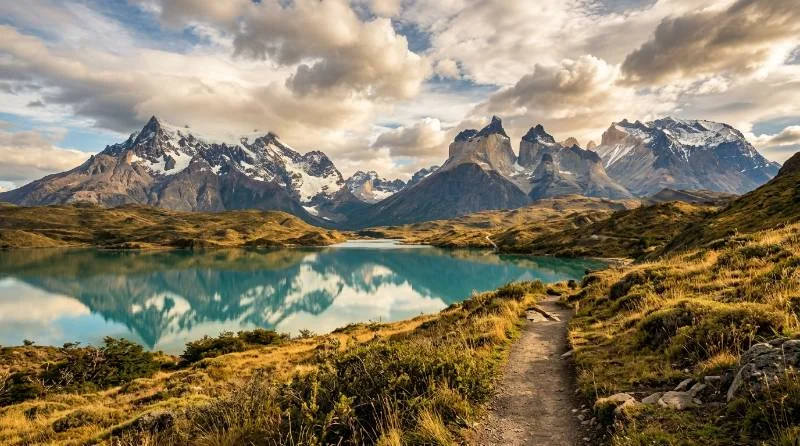
Summer is peak season for Patagonia. Trails in El Chaltén and Torres del Paine’s Argentine side stay clear of snow, daylight stretches close to 18 hours, and boat access to glaciers like Perito Moreno runs at full capacity. This is also the only realistic window for cruises to Antarctica departing from Ushuaia.
The tradeoff is crowds and heat elsewhere. Buenos Aires turns hot and humid, with many residents leaving the city for the coast, which means some restaurants and cultural venues scale back. Iguazu Falls is warm and lush but also at its most humid, with afternoon storms common. Hotel prices across the country peak in late December through February, especially around the holidays.
Autumn (March to May)
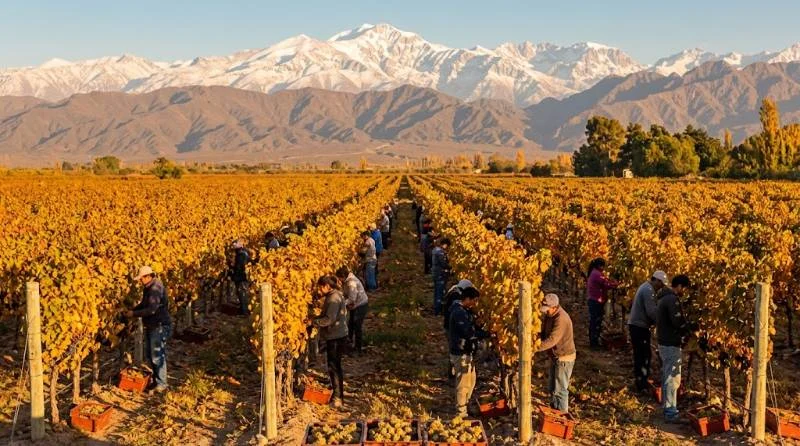
Autumn is arguably Argentina’s most photogenic season and one of the most underrated times to visit. Mendoza’s vineyards turn shades of gold and red during the grape harvest in March and April, Patagonia’s forests around Bariloche and El Chaltén blaze with color, and Buenos Aires settles into mild, walkable weather in the 60s and low 70s Fahrenheit.
By late May, southern Patagonia starts closing down for winter, so travelers hoping to hike near El Calafate or El Chaltén should aim for March or early April rather than waiting until the season’s end.
Winter (June to August)
Winter is the quiet season almost everywhere except the Andes. Southern Patagonia largely shuts its hiking infrastructure, with many hotels and trails closed from June through August. This is not the time to plan a trek to Fitz Roy or the Perito Moreno ice trek.
It is, however, prime time for skiing in Bariloche and the ski resorts near Mendoza, and it is a genuinely pleasant time to visit Buenos Aires, with crisp, dry days that rarely dip below freezing. The Northwest region around Salta and Jujuy is also at its best in winter, since the dry season keeps skies clear and daytime temperatures mild even as nights turn cold.
Spring (September to November)
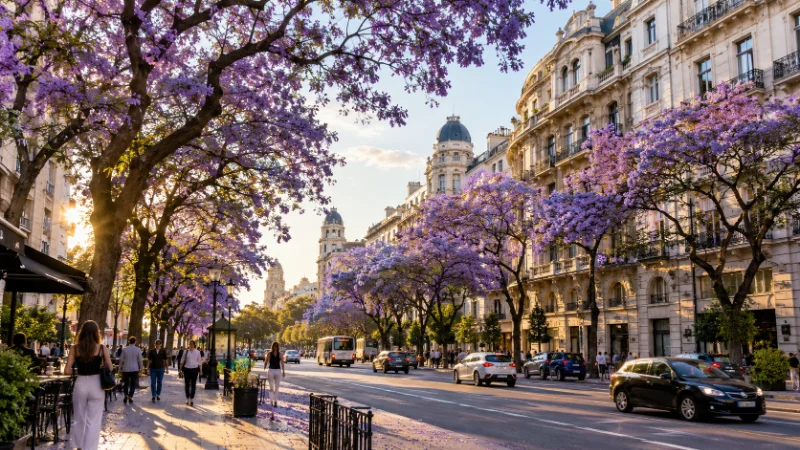
Spring mirrors autumn as a strong all-around choice. Buenos Aires is famous for its jacaranda trees blooming purple across the city in October and November, wildflowers spread through the Lake District, and whale watching season off the Valdés Peninsula runs from June through December, peaking in September and October.
Patagonia’s far south is still cool and can be windy in early spring, so travelers focused specifically on long treks near El Chaltén may prefer to wait until November, when trails are more reliably open and daylight hours are longer.
Best Time to Visit by Region
Buenos Aires
Buenos Aires rewards a fall or spring visit. March through May and September through November bring mild days, comfortable evenings for outdoor dining, and none of the summer humidity that makes walking the city center uncomfortable in January. Winter (June to August) is also workable, since the city rarely gets bitterly cold, but expect shorter days.
Patagonia and Ushuaia
Patagonia’s high season runs December through February, when trails are open and daylight is long. October to November and February to April offer a middle path: milder crowds, slightly less predictable weather, but still functioning infrastructure and lower prices. Avoid June through August unless skiing is the goal, since most trekking routes and many hotels close for winter.
Iguazu Falls
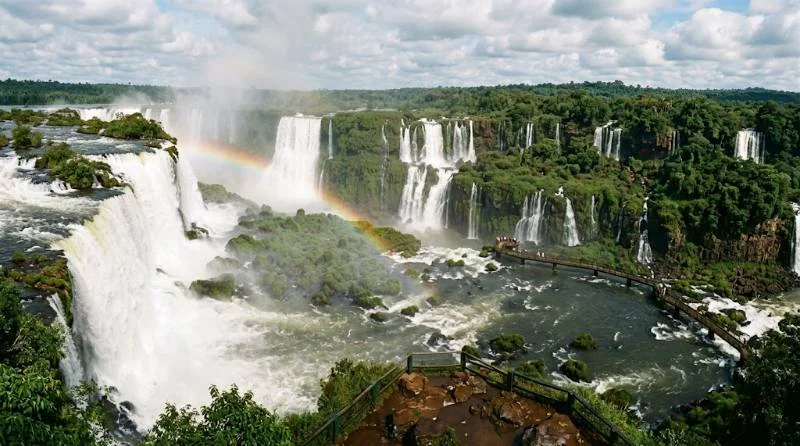
Iguazu Falls is one of the few places in Argentina that works well year-round, since its subtropical climate stays warm even in winter. The wet season from December to March swells the falls to their most dramatic volume, though afternoon rain is common. April through September brings a drier, slightly cooler window that many visitors find more comfortable for walking the extensive trail network.
Mendoza Wine Country
Grape harvest, or vendimia, runs from late February through April, making autumn the single best window for wine tourism. Vineyards are active, the weather is warm during the day and cool at night, and the Mendoza Wine Harvest Festival in early March draws visitors from across the country. Spring (September to November) is a solid second choice, with mild weather and budding vines.
The Northwest (Salta and Jujuy)
This high-desert region has an inverted comfort window compared to the rest of the country. Its dry season runs April through November, which keeps roads passable and skies clear over landmarks like the Quebrada de Humahuaca and the Salinas Grandes salt flats. The wet season from December to March can bring flash flooding on unpaved roads, so winter and spring are the more reliable months here.
Best Time to Visit for Specific Interests
Hikers chasing Patagonia’s big trails should target December through February, or the edges of that window in November and March for fewer crowds. Whale watchers should aim for September and October off the Valdés Peninsula. Skiers should book June through August for resorts near Bariloche and Las Leñas. Wine travelers get the richest experience during the March and April harvest in Mendoza.
When to Avoid Peak Prices and Crowds
Late December through February is Argentina’s busiest and most expensive stretch, driven by both domestic summer vacation and Patagonia’s short trekking window. July also sees a spike, since it coincides with Argentine school winter break and ski season in Bariloche and Mendoza. Booking accommodations and Patagonia treks several months ahead is essential during these periods, since availability can run out well before the trip dates.
Quick Month-by-Month Reference
December and January favor Patagonia hiking and Antarctica cruises but bring heat to the north. February still offers strong Patagonia access with slightly thinner crowds than January. March and April are ideal for Mendoza’s harvest and Patagonia’s fall colors. May marks the last reliable month for southern Patagonia before winter closures begin. June through August suit skiing, the Northwest, and a quiet visit to Buenos Aires, but rule out most Patagonia trekking. September through November bring jacarandas to Buenos Aires, whale watching off Valdés, and reopening trails in the south, with November standing out as one of the most balanced months of the year.
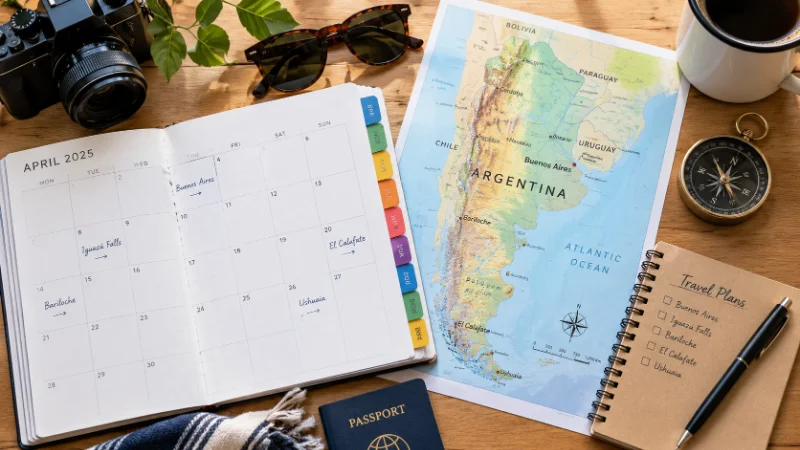
The right time to visit Argentina comes down to matching the season to the region and the activity that matters most to your trip. A single well-chosen month can cover far more ground than trying to force one itinerary into the wrong weather window.