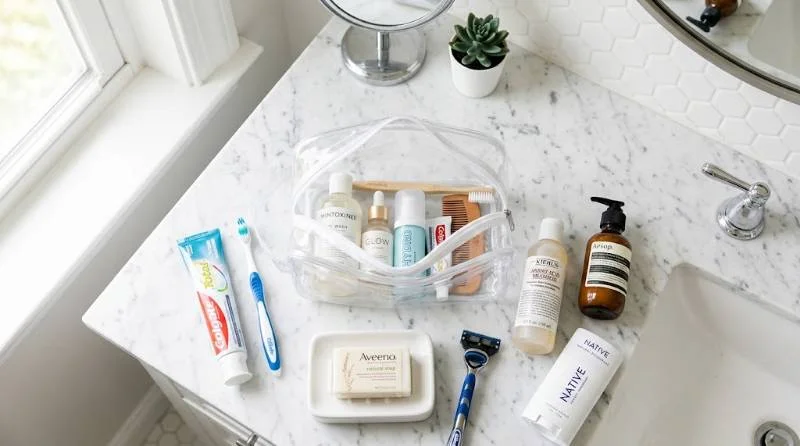
If you are asking what includes toiletries, the short answer is simple. Toiletries are the products you use to clean, groom, and care for your body. Toothpaste, soap, shampoo, deodorant, and razors all count. The longer answer matters more, because the line between toiletries, cosmetics, and medicine is blurry. Packing lists, hotel amenity kits, and donation drives each draw that line in a different place. This guide explains what falls under the term and what does not. It also shows how to sort your items for any trip.
What Are Toiletries?
Toiletries are personal care items used for hygiene and grooming. The word comes from the French toilette, which once referred to the whole routine of washing and dressing. The singular, toiletry, mostly appears in compounds such as toiletry bag.
A simple test works well. If an item cleans your body, keeps you fresh, or helps you groom, it is a toiletry. If it treats an illness or changes your appearance with color, it usually belongs to another category.
What Includes Toiletries?
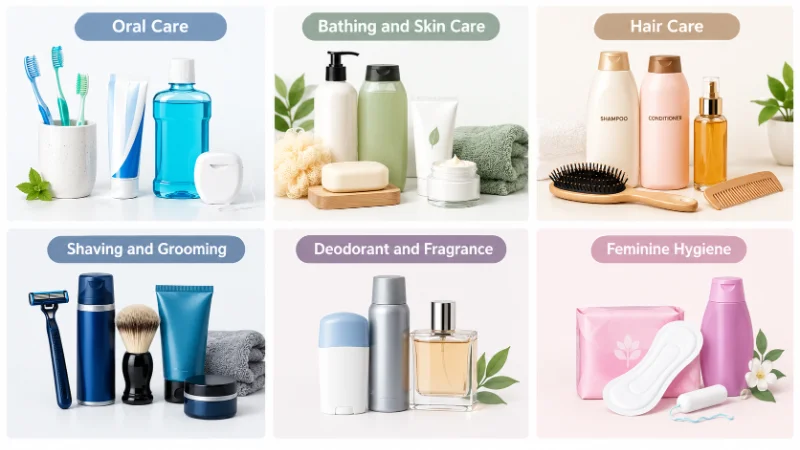
When people ask what includes toiletries, most lists sort the answer into six groups. Each group covers a daily need, and together they make up the core of any bathroom shelf or travel kit.
1: Oral Care
Oral care is the one category nobody skips. It includes a toothbrush, toothpaste, dental floss, and mouthwash. Tongue scrapers, interdental brushes, and whitening strips count. Retainer cases and night guards fit here too, although they are accessories rather than products you finish. If you use an electric toothbrush, remember the charger.
2: Bathing And Skin Care
This group covers anything used in the shower or on the skin. Soap, body wash, and shower gel are the basics. Body lotion, face wash, moisturizer, and sunscreen belong here. Loofahs, washcloths, and exfoliating gloves are bathing tools, and many lists include them.
Sunscreen is the item that surprises people. Some stores shelve it with skin care, others with health products. For packing purposes, treat it as a toiletry.
3: Hair Care
Shampoo and conditioner lead the list. Add hair oil, leave-in treatments, dry shampoo, and styling products such as gel, wax, or hairspray. Combs, brushes, and hair ties are usually called hair accessories. Some people still pack them in the same bag, so list them if they live in yours.
4: Shaving And Grooming
Razors, spare blades, shaving cream, and aftershave belong here. So do nail clippers, tweezers, small scissors, and cotton swabs. Beard oil, beard balm, and trimmer attachments fit this group for people who keep a beard. Hair removal creams and wax strips count as well.
5: Deodorant And Fragrance
Deodorant and antiperspirant are toiletries under almost every definition. Perfume, cologne, and body spray usually count too. Dictionaries often name cologne as a standard example. Talcum powder and foot powder sit in the same group.
6: Feminine And Intimate Hygiene
Pads, tampons, menstrual cups, and panty liners are toiletries. So are intimate wash and hygiene wipes. Many travelers forget these because they are not part of the daily routine. Pack a few extra, since travel, stress, and time zone changes can shift timing.
What Does Not Count
Edge cases cause most of the confusion. These items often travel in the same bag but belong to different categories.
1: Makeup And Cosmetics
Foundation, lipstick, mascara, and eyeshadow are cosmetics. Cosmetics change how you look, while toiletries keep you clean. Retailers and airlines often group them together anyway. Makeup remover, cleansing wipes, and micellar water are toiletries because their job is cleaning.
2: Medicine And Health Products
Pain relievers, allergy tablets, prescription drugs, and ointments are medicines. Keep them in a separate pouch. This matters at security checkpoints and customs, where medicines may need their original labels. Check the rules of your destination, because some common medicines are restricted in certain countries.
3: Household Items
Towels and robes are linens. Laundry detergent and stain remover are household cleaning products. Hair dryers, straighteners, and electric razors are appliances, even though they live in the bathroom. Contact lenses and glasses are vision care, though lens solution often sits in the toiletries aisle.
Toiletries Vs Personal Care Products
Personal care is the widest term. It covers toiletries, cosmetics, and some health products. Toiletries sit inside that umbrella and focus on hygiene. Hotels call the small items they supply amenities, and most of them are toiletries. Charities and shelters use the term hygiene products for the same goods.
Store labels vary by region. British shops often sign the aisle as toiletries, while American stores usually say personal care.
Hotel Toiletries
Hotel toiletries are the small items supplied in the guest bathroom. Expect shampoo, conditioner, body wash or bar soap, and lotion. Many hotels add a shower cap, a dental kit, and a razor, often on request. Quality varies, and budget stays may offer only soap and a basic shampoo.
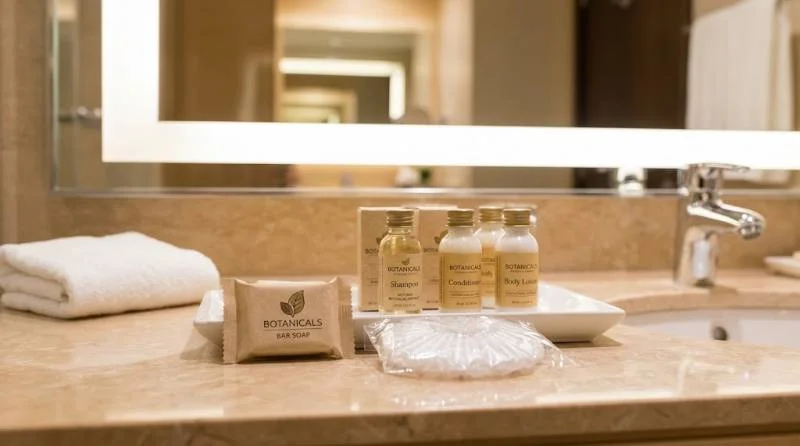
Many hotels are replacing small bottles with wall-mounted dispensers, so there may be nothing to take home. If you have sensitive skin or color-treated hair, bring your own.
Travel Toiletries
Travel changes which toiletries matter, because size, weight, and airline rules come into play. A good kit holds the daily basics in small containers.
The Carry-On Liquid Rule
Many airports limit liquids, gels, and pastes in hand luggage to containers of 100 ml (3.4 oz). Those containers must fit together in one clear, resealable bag. The limit covers shampoo, lotion, toothpaste, and gel deodorant. Details differ by country and airport, so check the current rules before you fly. Solid items such as bar soap, shampoo bars, and stick deodorant usually avoid the limit.
Checked luggage usually allows full-size bottles. Seal each one in a bag anyway, because baggage handling is rough on caps.
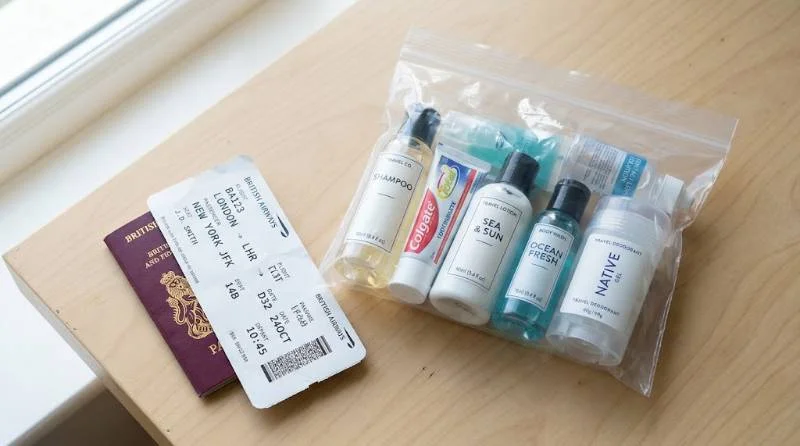
Travel Toiletry Checklist
Use this list as a starting point and delete what you never use.
- Toothbrush, toothpaste, and floss
- Deodorant
- Shampoo and conditioner in small bottles
- Body wash or a small bar of soap
- Face wash and moisturizer
- Sunscreen
- Lip balm
- Razor
- Hairbrush or comb
- Menstrual products, if needed
- Nail clippers and tweezers
- Hand sanitizer or wipes
- A small bag for wet items
Sharp items need extra care. Loose razor blades and larger scissors follow separate security rules and often belong in checked luggage. Aerosols such as hairspray and dry shampoo face their own limits. Solid and pump formats avoid most of that trouble.
When To Skip Packing
Packing less is often the better call. If your hotel supplies shampoo and soap, leave both at home and carry only items you are particular about. On short carry-on trips, buying toothpaste on arrival is cheaper than checking a bag. This advice fails in remote areas, on long hikes, or when you depend on one specific product. Replacements may be hard to find there.
How To Organize A Toiletry Bag
A clear zip-top bag makes a good base. See-through walls let you spot a missing item and speed up security checks. Hanging bags suit small bathrooms with little counter space.
Pack liquids upright with caps tightened, and bag any bottle that tends to leak. Leave a little room in each bottle, because pressure changes can push liquid out. Refillable silicone bottles let you decant your usual products instead of buying minis. Label them, since shampoo and lotion look identical once decanted.
Babies And Sensitive Skin
Babies and young children need gentler products. Their list adds diapers, wipes, diaper rash cream, baby shampoo, and baby wash. A soft brush, nail file, and digital thermometer are useful extras.
For sensitive or eczema-prone skin, choose fragrance-free products and patch test them at home first. A new product is a poor experiment to run in the middle of a trip.
Gym, Hospital, And Camping Toiletries
The core list stays the same, but each setting changes the priorities. A gym bag needs quick-use items such as body wash, deodorant, face wipes, and a comb. Add a small towel and shower sandals, which are not toiletries but live in the same bag.
For a hospital stay, pack a toothbrush, toothpaste, lip balm, unscented lotion, and a hairbrush. Hospitals supply basics, but those items are rarely comfortable. Leave perfume at home, since many wards discourage strong scents.
Camping flips the usual rules. Choose biodegradable soap and unscented products. Store every toiletry away from food, because scents can attract wildlife. Wash well away from streams and lakes, and follow the park’s own guidance.
Do Toiletries Expire?
Yes, and many people keep them far too long. Look for the open-jar symbol on the packaging. It shows how many months a product stays good after opening, such as 12M. Sunscreen carries an expiry date and loses protection once that date passes.
Replace toothbrushes every three to four months, or sooner if the bristles fray. Razor blades dull with use, and a dull blade irritates skin. Check your travel kit before each trip, since small bottles can sit unused for months.
Solid Toiletry Options
Solid toiletries have grown popular because they weigh little and pass airport limits easily. Shampoo bars, conditioner bars, toothpaste tablets, and bar soap replace most liquid items. They last a long time and never leak in your bag.
The trade-off is a learning curve. Shampoo bars can feel different on hair, especially in hard water, so test one at home first. Pack them in a ventilated tin so they dry between uses.