
Europe rewards travelers with everything from ancient ruins to alpine lakes in a single train ride. The best places to visit in Europe mix history, food, and scenery without forcing you to choose just one. Here are ten spots worth building a trip around.
Paris, France, For Icons And Neighborhood Life
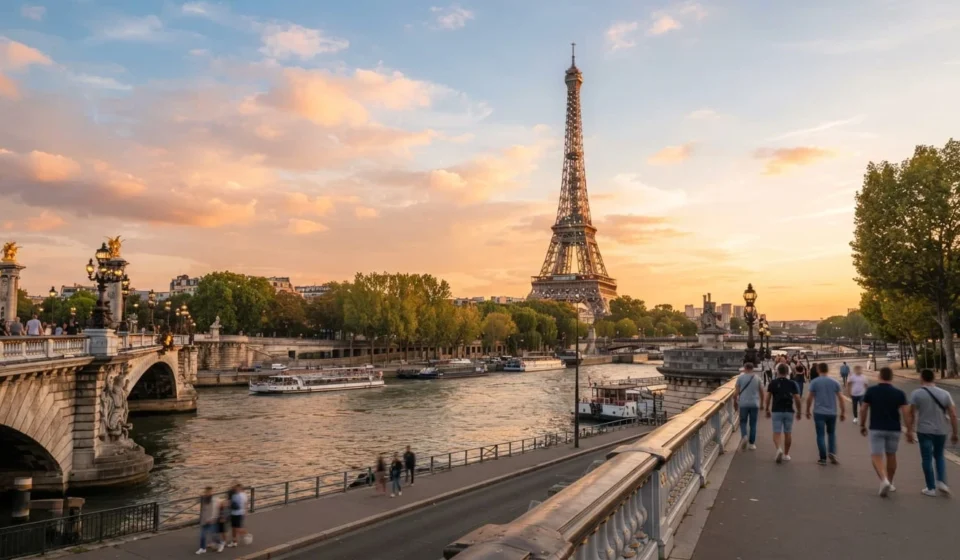
Paris earns its reputation through sheer density of things worth seeing. The Eiffel Tower, the Louvre, and Notre-Dame sit within walking distance of each other, and the Seine ties the whole city together. Skip the tourist-menu restaurants near major sights and walk ten minutes into a side street instead, where a plat du jour costs half as much and tastes better. Spring and early autumn keep the crowds and heat down.
Spain offers rich historic culture, best experienced across the best cities to visit in Spain.
Rome, best places to visit in Italy, For History You Can Touch
Rome doesn’t wall off its past behind glass (one of the top spots in our best places to visit in Italy guide). The Colosseum, the Roman Forum, and the Pantheon sit in the middle of daily traffic, and you can walk from ancient Rome to a espresso bar in five minutes. Book Colosseum tickets online in advance; walk-up lines during peak season can run past two hours. Trastevere, across the river, is quieter and better for dinner than most of the historic center.
Santorini, Greece, For Caldera Views
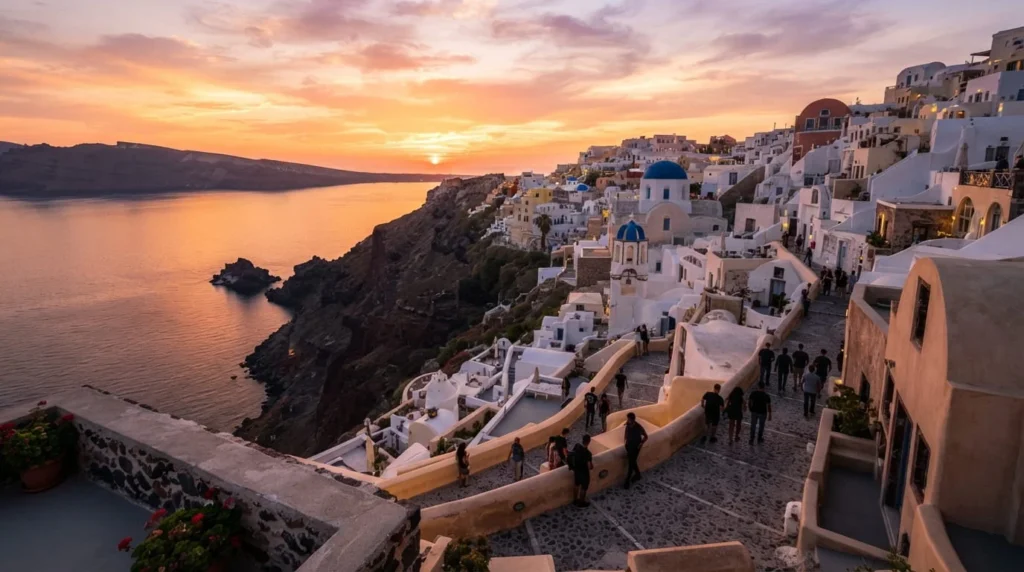
Santorini’s white buildings and blue domes sit on a cliff formed by a volcanic caldera, and the sunset views from Oia are the reason most people book the trip. The island gets crowded and expensive from June through August; late May or September gives you the same views with fewer people and lower hotel rates. Renting a scooter or small car is the easiest way to reach the quieter beach towns on the south side.
Getting Around Santorini
Ferries connect Santorini to Athens and other Cyclades islands, and the trip from Piraeus port takes around five to eight hours depending on the boat. A short flight from Athens cuts that to about 45 minutes.
Amsterdam, Netherlands, For Canals And Bikes
Amsterdam is built for walking and cycling rather than driving, and its canal ring is a UNESCO World Heritage site. Rent a bike for the day, ride out to the Jordaan neighborhood, and stop at the Anne Frank House or the Van Gogh Museum along the way. Book museum tickets ahead of time; both sell out days in advance during summer.
Prague, Czech Republic, For Medieval Charm On A Budget
Prague’s old town survived the 20th century mostly intact, so its Gothic towers, cobbled squares, and the Charles Bridge look much like they did centuries ago. Beer, meals, and hotels here cost a fraction of what you’d pay in Paris or Amsterdam, which makes Prague a good stop for travelers stretching a longer Europe trip. Climb the Old Town Hall tower for a rooftop view of the city instead of paying more for a river cruise.
Barcelona, Spain, For Architecture And Beach Days
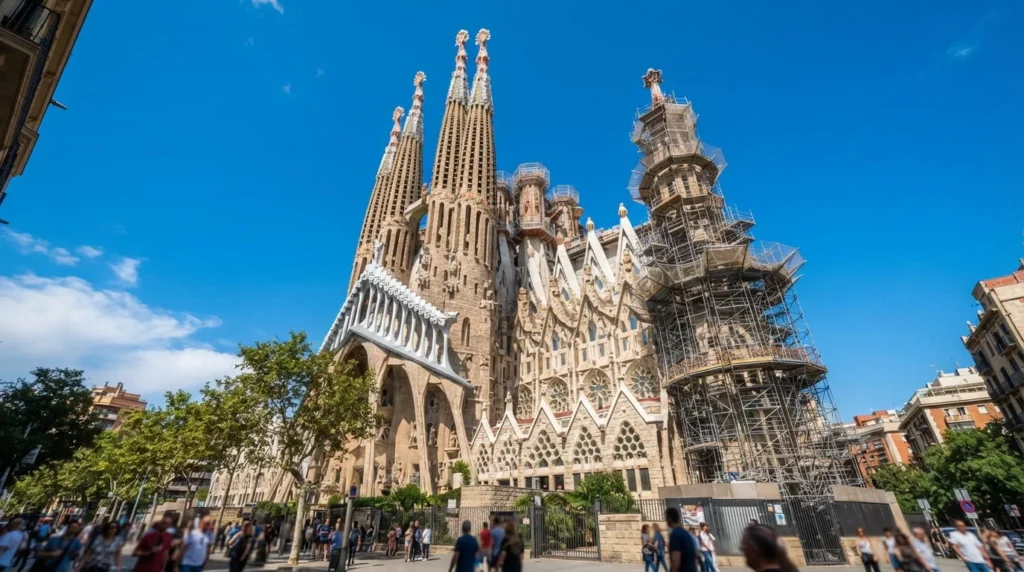
Barcelona lets you split a day between Antoni Gaudí’s Sagrada Família and an afternoon on the sand at Barceloneta beach. The basilica has been under construction since 1882 and still doesn’t have a finish date, which is part of its appeal. Las Ramblas is worth a walk-through but not a meal; head into the Gràcia or El Born neighborhoods for better food at lower prices.
The Swiss Alps, For Mountain Scenery By Train
Switzerland’s rail network reaches deep into the Alps (see our guide to the best places to visit in Switzerland), so you can see glaciers and mountain lakes without a car or hiking boots. The Glacier Express connects Zermatt and St. Moritz through some of the most dramatic scenery in the country, and regional trains from Lucerne or Interlaken reach smaller alpine towns just as easily. A Swiss Travel Pass covers most trains, buses, and boats, and it pays for itself after two or three long rides.
Dubrovnik, Croatia, For Walled-City Views Over The Adriatic
Dubrovnik’s old town sits inside stone walls (featured among our top solo travel destinations) that you can walk the full length of, with the Adriatic on one side and terracotta rooftops on the other. Fans of a certain fantasy series will recognize several corners of the city, but Dubrovnik was drawing visitors for its walls and harbor long before that. Go early morning or late afternoon to walk the walls without fighting cruise-ship crowds.
Edinburgh, Scotland, For Festivals And Dramatic Skylines
Edinburgh Castle sits on an extinct volcanic rock overlooking the whole city, and the Royal Mile runs downhill from it through the old town. The Edinburgh Festival Fringe takes over the city every August with thousands of performances, which makes it a great time to visit if you don’t mind higher prices and full hotels. Arthur’s Seat, a hill within the city limits, gives you a free hike with a view over the entire skyline.
Budapest, Hungary, For Thermal Baths And River Views
Budapest splits into hilly Buda and flat Pest across the Danube, connected by the Chain Bridge. Széchenyi Baths, one of the largest thermal bath complexes in Europe, is worth a half-day even if you’re not usually a spa person. At night, the Hungarian Parliament Building lights up along the riverbank, and a short walk or a cheap river cruise both show it off well.
When To Visit Budapest
Budapest works well as a shoulder-season stop. April, May, September, and October keep temperatures comfortable and hotel prices well below the summer peak.
Planning Your Europe Trip
Most of these destinations connect well by train or short flight, so you can string together three or four in a single trip without much wasted travel time. Book major museum and landmark tickets in advance for anywhere popular, since walk-up lines eat hours during peak season. Shoulder seasons, roughly April to May and September to October, tend to give the best mix of good weather, lower prices, and smaller crowds.
Pick two or three destinations that fit the trip you actually want, whether that’s cities, mountains, or coastline, and build the itinerary around getting between them easily.
Frequently Asked Questions (FAQs)
What is the best time of year to visit Europe?
April through June and September through October offer mild weather and smaller crowds than the July-August peak. Winter works well for cities like Prague or Budapest if you don’t mind cold weather and shorter days.
How many days do you need to see the best places in Europe?
Two weeks lets you comfortably cover three to four destinations without rushing. A month or more gives you room to add smaller towns and slower days in between the major stops.
Is it cheaper to travel Europe by train or plane?
Trains usually cost more for long distances but save time on getting to and from airports and skip security lines. Budget airlines can beat train prices on longer routes, especially if booked weeks ahead.
Which European city is best for first-time visitors?
Paris, Rome, and Amsterdam are common first stops because they’re well connected by international flights and easy to navigate without much local knowledge.