
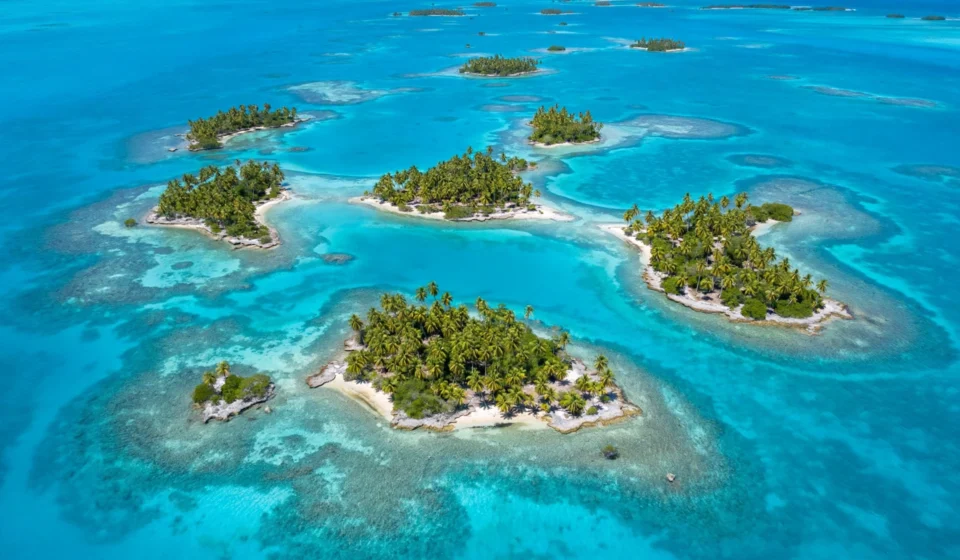
Last updated: October 2026 The best time to visit Panama is mid-December through mid-April, the dry season. Skies stay clear for days at a time, humidity drops, and getting between regions gets noticeably easier. That is the short answer. The honest answer is that the best time to visit Panama depends on where you are going and what you want to do. A surfer chasing Pacific swells, a birder in the highlands, and a first-timer who just wants the canal without a downpour all have different ideal windows. Here is what actually drives the calendar.
Panama sits close to the equator, so heat barely changes through the year. Lowland temperatures typically sit between 75 and 90 degrees Fahrenheit. What changes is rain. Once you understand that, the whole year makes sense.
Quick Answer: Panama by Month
This table covers the country as a whole. Regional exceptions follow below, because the Caribbean coast and the highlands do not always follow this script.
| Month | Typical Weather | Crowds and Prices | Best For |
|---|---|---|---|
| January | Dry, clear skies, lower humidity | Peak crowds and prices, especially early month | Canal visits, beaches, San Blas sailing |
| February | Driest month, Carnival late in the month | Peak crowds, festival pricing around Carnival | Festivals, beaches, island trips |
| March | Still dry, getting hotter | Crowds thin after Carnival, prices ease | Beach trips, San Blas, Bocas del Toro |
| April | Transition; afternoon showers return late in the month | Shoulder season pricing | Bocas’ second dry window begins, last dry-season canal days |
| May | Rainy season begins with afternoon showers | Fewer crowds, lower prices | Green-season start, surfing, quieter trips |
| June | Regular afternoon rain, warm and humid | Low crowds, good value | Surfing, early rainforest green season |
| July | Wet, but often a drier spell locals call the veranillo (little summer) | Low crowds, good value | Hiking windows, whale watching season begins |
| August | Wet and humid | Low crowds | Whale watching, lush rainforest |
| September | Among the wettest on the Pacific side; Bocas drier than average | Low crowds except domestic holiday weekends | Whale watching peak, Bocas second dry window |
| October | Typically the wettest month nationwide | Lowest prices, some domestic festival travel | Culture and festivals (if you can handle rain) |
| November | Rain tapers late in the month; domestic holiday travel early | Shoulder pricing | Underrated pre-December window |
| December | Dry season returns mid-month | Holiday crowds and peak prices | Beaches, canal, Christmas and New Year trips |
Panama’s Two Seasons Explained
Panama does not have spring, summer, fall, and winter. It has two seasons, and they shape nearly every travel decision.
Dry Season (Mid-December to Mid-April)
This is peak season for a reason. Clear mornings, steady sunshine, and humidity that finally gives you a break. Trails in Boquete and the highlands are at their most walkable. Boat trips to the San Blas Islands run with far fewer weather cancellations. The canal looks its best under blue skies, and snorkeling visibility is at its yearly peak.
The tradeoff is cost and company. Flights and hotels climb from late December through February, with spikes around Christmas, New Year, and Carnival. San Blas sailings and popular beach stays can sell out weeks ahead. If you travel in this window, book the water-based parts of your trip first and early.
Rainy Season (Mid-April to Early December)
Rainy season sounds like a reason to stay home. For most itineraries, it is not. Rain in Panama typically arrives as afternoon bursts of an hour or two, and mornings are often clear even in the wettest months. October and November are usually the heaviest, with occasional full days of rain. The rest of the season is very workable.
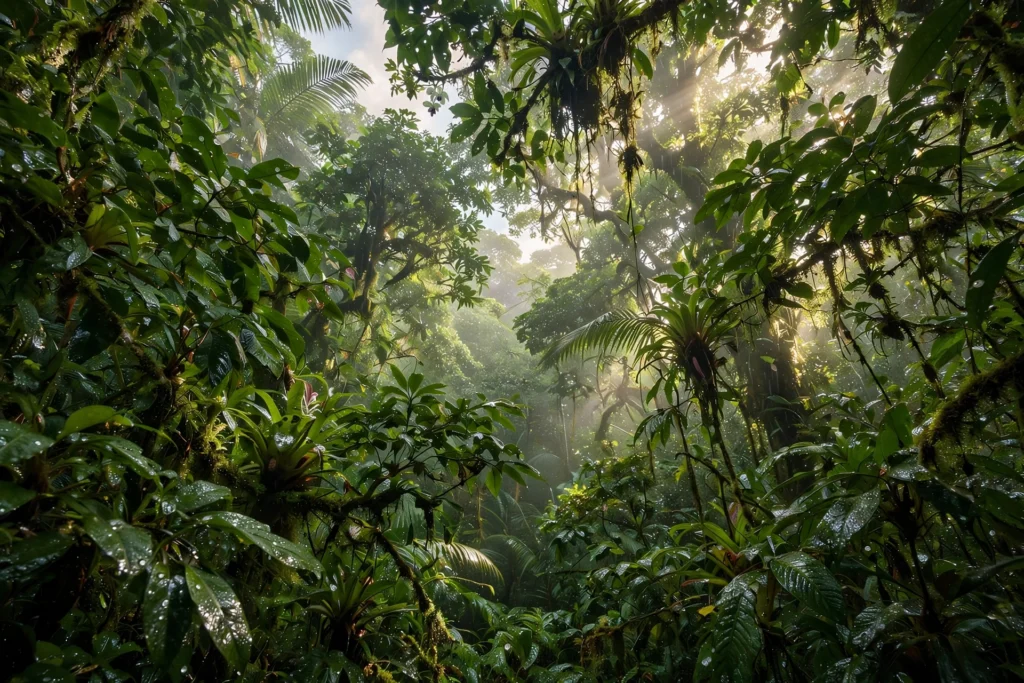
What you get in return is real. The rainforest is at its greenest. Waterfalls run full. Wildlife is active. Crowds thin out and prices drop. Pacific surf swells build through these months. If you can plan your days around the rain instead of fighting it, the wet season is a genuinely good time to visit.
One Country, Three Weather Calendars
Here is the part most guides blur. Panama’s mountain spine splits the country into different rain patterns. The month that is perfect for one coast can be the worst for another.
Pacific Coast and Interior
This is Panama City, the Azuero Peninsula, Santa Catalina, and Coiba. It follows the classic script: dry mid-December to mid-April, wet the rest of the year. The Azuero Peninsula is the driest part of the country and stays pleasant even in the rainy season, with brief showers that cool the day down.
Caribbean Coast
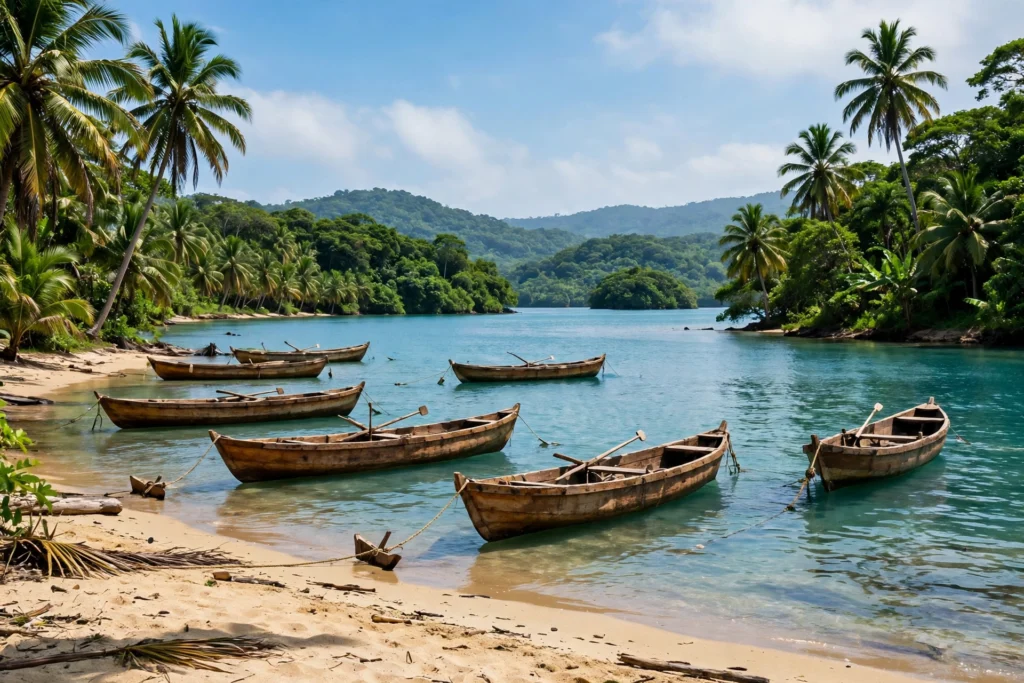
Bocas del Toro, Portobelo, Isla Grande, and the San Blas Islands run on a different calendar. There is no true dry season here, just drier windows. The most reliable are roughly February through April and again September through October.
From December to mid-February, trade winds can make Caribbean seas choppy, which sometimes limits boat access to the outer islands. If your whole trip is Bocas, September and October can be better than January.
The Highlands
Boquete and El Valle de Anton sit high enough to stay cooler than the coast year-round, with nights that can dip into the 60s. Clouds and mist linger longer here, and rain sticks around past the Pacific dry-season dates.
Mornings are your window for clear views, including the famous both-oceans viewpoint from the top of Volcan Baru.
Region calendar at a glance:
| Region | Best Months | Trickiest Months |
|---|---|---|
| Pacific coast and interior | December to April | October, November |
| Caribbean coast (Bocas, San Blas) | February to April; September to October | December to January (winds), May to August |
| Highlands (Boquete, El Valle) | January to March | October, November |
Best Time to Visit Panama by Trip Type
For the Panama Canal
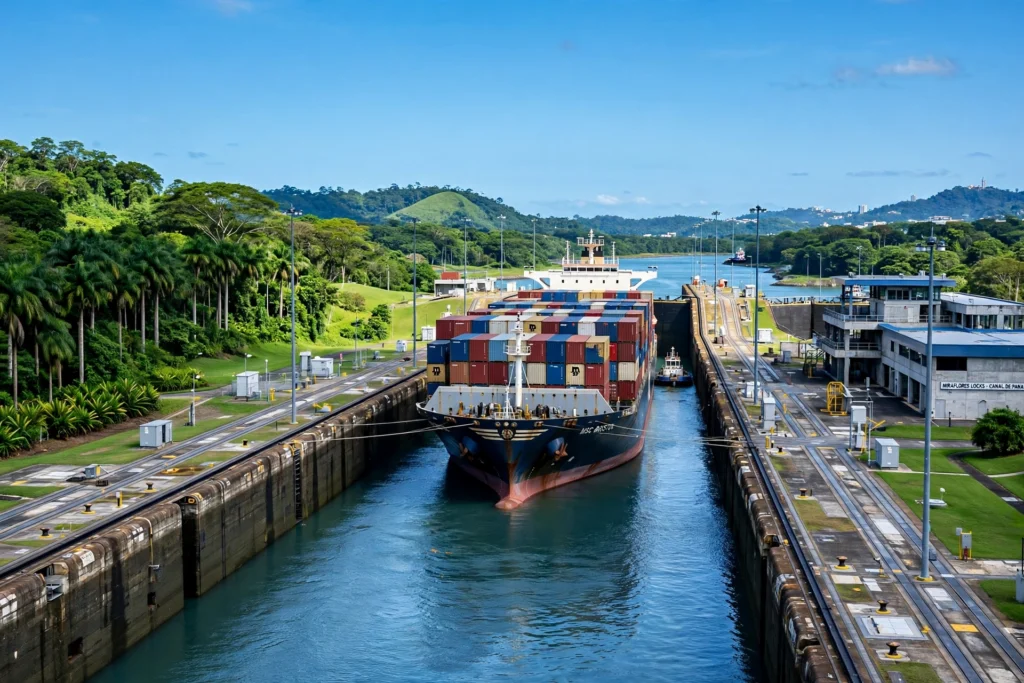
The canal operates year-round, so timing matters less here than anywhere else. Dry-season mornings give you the clearest photos at the Miraflores and Agua Clara locks. If a full canal transit is the centerpiece of your trip, January through March is the safest window for calm scheduling.
For Beaches and Island Hopping
The San Blas Islands, Bocas del Toro, and the Pacific beaches all reward dry-season timing. Boat operators to San Blas cancel or delay more often in heavy rain, and rough seas in the wettest months can make island hopping genuinely unpleasant.
February and March usually bring the calmest water and clearest skies. For Bocas specifically, remember the Caribbean exception: September and October are a solid second window.
For Surfing
This is the one trip type where the wet season wins. Panama’s Pacific coast, especially Santa Catalina and Playa Venao, gets its biggest and most consistent swells roughly April through October. Surfers chasing serious waves often plan for this window on purpose and accept the afternoon rain as part of the deal.
Beginners are usually better off in the dry season, when waves are smaller and conditions more predictable. On the Caribbean side, the pattern flips: surf is best December through April.
For Hiking and Wildlife Watching
Dry season is the clear pick for serious trekking. Trails in Boquete, Chiriqui, and the Darien get muddy and sometimes impassable in heavy rain, and cloud cover can steal the views from Volcan Baru.
For wildlife, the picture is mixed. The rainforest is most alive in the wet season, and many birders prefer the early rainy months of April and May, when food is abundant and migratory species are still passing through. Fall brings the raptor migration, with huge numbers of hawks riding the thermals south. Whale watching peaks from July through September, when humpback whales gather off the Pacific coast.
For Festivals and Culture
February into March is Panama’s party season. Carnival, held in the four days before Ash Wednesday, is the biggest celebration in the country, with the wildest parties in Panama City and the most traditional ones on the Azuero Peninsula, especially Las Tablas. Semana Santa (Holy Week) brings solemn processions, most famously in the Azuero towns. January has the Panama Jazz Festival in Panama City. September brings the Festival de la Mejorana in Guarare, a celebration of Panamanian folk music. October 21 is the Festival del Cristo Negro in Portobelo, when tens of thousands of pilgrims honor the Black Christ statue. Smithsonian Magazine has a strong feature on the Festival del Cristo Negro in Portobelo if you want the deeper story.
November is the Month of the Homeland, with Independence Day parades across the country and heavy domestic travel.
For Saving Money
The cheapest months are typically September through November, outside the domestic holiday weeks. Hotels and tours in tourist areas usually cost noticeably less than dry-season rates, and flights from the US tend to be cheaper outside the December-through-April window. The tradeoff is rain, so this works best for travelers with flexible plans who can build afternoons indoors. Avoid the November holiday weeks if you are hunting for deals, since domestic travel spikes prices.
The Wet-Season Playbook
If you visit between May and November, do not try to outrun the rain. Plan around it. Here is the method that works.
Put outdoor plans in the morning. This is the single most useful rule in Panama. Boat crossings, hikes, canal visits, and beach time go before lunch. Afternoons are for museums, coffee tastings, food halls, and long lunches. The rain usually passes within an hour or two, and evenings are often dry.
Watch for the veranillo. In July, Panama often gets a short drier spell locals call the little summer. It is not guaranteed, but when it lands, it opens a surprising window of clearer weather right in the middle of the rainy season.
Use Bocas as your rain-season escape. When the Pacific side is at its wettest in September and October, Bocas del Toro is in one of its driest windows. Splitting a wet-season trip between regions can give you dry days on both coasts.
Pack for rain every month of the year. A light rain jacket and a dry bag belong in your daypack even in February. Tropical showers do not check the calendar.
Build in buffer days for boats. San Blas and Coiba crossings are the most weather-sensitive parts of a Panama trip. In the wet season, do not schedule a boat day the morning of your flight home.
Budget and Crowds by Season
Dry season means the highest prices and the most company, especially around Christmas, New Year, Carnival, and US spring break weeks. Shoulder months like March, April, and November often give you nearly dry-season weather with thinner crowds and softer prices. The deep wet season, roughly June through October, is the quietest and cheapest stretch, with the caveat that October and November bring the heaviest rain. Book anything on the water well ahead in the dry season; in the wet season, you can usually afford to be more spontaneous.
What to Pack for Each Season
Dry season packing is simple: light clothes, strong sun protection, and walking shoes. Wet season adds a few items: a light rain jacket, quick-dry clothing, waterproof phone protection, and shoes you do not mind getting muddy. For the highlands, add a fleece or light jacket for cool evenings at any time of year. Insect repellent is worth carrying year-round, especially in rainforest areas.
So, When Should You Go?
For most travelers, the best time to visit Panama is mid-December through mid-April: clear skies, easy travel, and the full menu of beaches, canal, and highlands. But match the month to your trip. Surfers should aim for the Pacific swells of the wet season. Festival lovers should target Carnival. Budget travelers get the best value from September through November. And if Bocas del Toro is your main destination, remember its calendar is different: February to April, or September to October. Many travelers pair Panama with its neighbor to the south, since the two countries share the same December-to-April dry window. See our guide to the top tourist attractions in Colombia if you are thinking about combining both.