Scotland rewards travelers who plan around its weather, roads, and booking windows rather than against them. These Scotland travel tips cover the practical details, money, driving, packing, food, and seasonal timing that make the difference between a smooth trip and a frustrating one.
Most first-time visitors underestimate how much time it takes to get between places here. The Highlands look small on a map, but single-track roads and long daylight-dependent routes mean a 100-mile drive can eat an entire afternoon. Everything below is built around that reality. Structuring your driving route around the best places to visit in Scotland ensures you cover top castles and lochs.
When to Visit Scotland
April, May, and September are the most comfortable months to visit. The weather is milder than winter, accommodation costs less than peak summer, and the Highland midge, a biting insect that appears from late June through September, hasn’t yet reached full numbers.
July and August bring the longest daylight and the busiest crowds, especially on the Isle of Skye and along the North Coast 500 route. If you’re set on a summer trip, book your accommodation and any popular restaurant close to a year out, since rooms in small Highland towns sell out fast.
Winter, from November through February, offers the lowest prices and near-empty castles, but daylight can run out by 4 pm and some rural roads close after snow. It works well for city breaks in Edinburgh or Glasgow, less well for a Highlands road trip.
Packing for Four Seasons in One Day
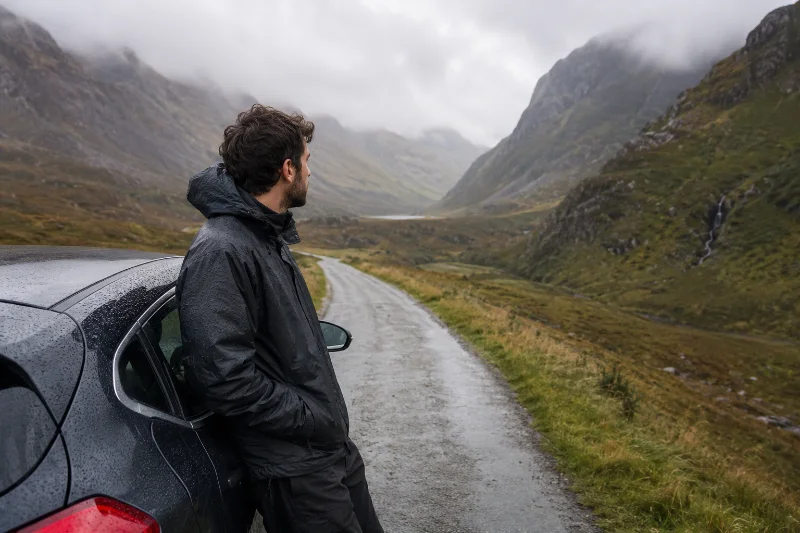
Scottish weather changes fast, and a sunny morning can turn to sideways rain within the hour. Pack in layers: a base layer, a warm mid-layer such as fleece, and a waterproof rain jacket that also blocks wind.
Waterproof pants aren’t necessary unless you’re doing a multi-day hike. A knee-length rain jacket handles most day trips and city walking on its own. Sturdy waterproof shoes matter more than an umbrella, since wind makes umbrellas nearly useless outside city streets.
If you’ll be near lochs, rivers, or hiking trails between June and September, bring an insect repellent formulated for midges. They bite in still air near water, mostly at dawn and dusk, and a breeze usually keeps them away entirely.
Money and Payments
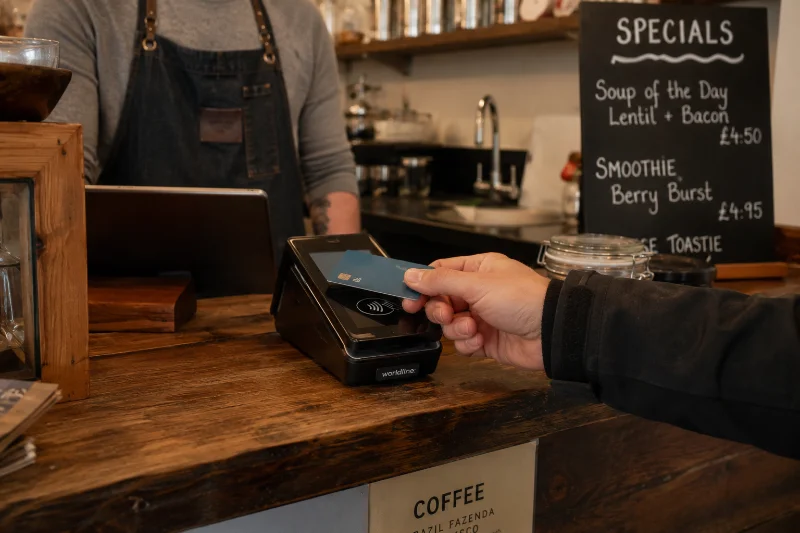
Contactless card payments, including Apple Pay and Google Pay, work almost everywhere in Scotland, from city restaurants to small Highland shops. American Express is accepted less often than Visa or Mastercard because of higher merchant fees.
Carry some cash anyway. Small, independent shops in remote areas sometimes take cash only, and it’s useful for tipping or the rare bus that hasn’t switched to contactless yet. Withdrawing from a bank ATM gets a better exchange rate than a currency exchange counter, so skip the airport kiosks if you can.
Scottish banknotes look different from English ones but hold the same value throughout the United Kingdom. Shops in England occasionally hesitate to accept them, so it’s simplest to spend Scottish notes while you’re still in Scotland.
Getting Around: Driving, Trains, and Buses
Scotland’s main airports, Edinburgh, Glasgow, and Inverness, connect to most regions within a few hours’ drive. Trains link the major cities well, but reaching the Highlands or islands usually means renting a car or booking a coach tour.
Car rental in Scotland books up months ahead during summer, and prices climb accordingly. If you’re driving, plan for no more than three hours behind the wheel per day outside the motorways. Google Maps and Waze give reasonable time estimates, but add extra time for stops, since Scotland’s scenery makes it hard not to pull over.
Driving on Single-Track Roads
Much of the Highlands and islands run on single-track roads with passing places cut into the verge. If a passing place is on your left, pull into it. If it’s on your right, stop opposite it and let the oncoming car use it instead.
A quick wave to the other driver is standard courtesy. Locals drive these roads daily and move faster than visitors, so pull over when someone catches up behind you rather than holding up traffic.
Most visitors don’t need an international driving permit if their home license is in English and still valid. Fuel prices run higher than in the US, so budget accordingly for a Highlands road trip.
Public transport covers the gaps well if you’d rather skip driving. ScotRail connects most cities and larger towns, while coach operators handle routes trains don’t reach. Book train and bus tickets up to three months ahead for the best fares, especially on popular routes like Edinburgh to Inverness.
Booking Accommodation and Restaurants
Book Highland and island accommodation as early as you can, ideally eight to twelve months ahead for a summer trip. Popular routes like Edinburgh to Skye to Inverness see rooms disappear well before the season starts.
Restaurants in Edinburgh, Skye, and other tourist hubs fill up on Friday and Saturday nights from May through September. Reserve a table one to two weeks out in most cases, and a full month ahead for the handful of restaurants that see the most demand.
If you haven’t booked ahead, eating slightly outside peak hours, before 11:30 am for brunch or before 6 pm for dinner, improves your odds of a walk-in table.
Food and Drink Worth Trying
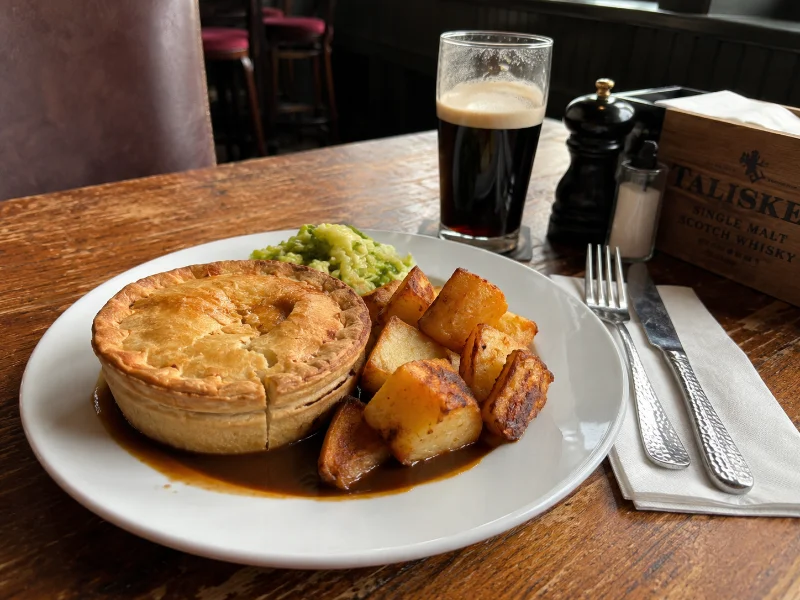
A full Scottish breakfast, haggis, and Cullen skink (a smoked fish soup) show up on menus across the country and are worth trying at least once. Fish and chips remain a reliable standby in coastal towns, and a scone with jam and clotted cream makes a solid afternoon stop.
Whisky varies significantly by region: Speyside tends toward fruity and light, Islay toward smoky and peated. Trying a dram from two different regions gives a much better sense of the range than sticking to one distillery.
Grocery stores such as Tesco, Sainsbury’s, and the Co-op sell meal deals, a sandwich, snack, and drink for around £3, which work well for long drives or hikes between towns.
Midges, Ticks, and Practical Health Notes
The Highland midge appears from late June to late September and clusters near still water, mainly at dawn and dusk. A midge repellent and long sleeves handle most of the risk, and a breeze clears them out entirely.
Ticks are present from March through October in grassy and wooded areas. Fewer than 10 percent carry Lyme disease, but a tick check after hiking is still worth the two minutes it takes.
Visitors pay for medical treatment in Scotland, since the National Health Service covers residents through taxation, not tourists. Travel insurance with at least £1 million in medical cover is worth arranging before you fly, given how quickly hospital costs can add up.
Planning a Realistic Itinerary
The most common route among first-time visitors runs Edinburgh to the Isle of Skye to Inverness and back, sometimes called the tourist triangle. It hits genuine highlights (making Scotland one of the best places to visit in Europe), but it also means sharing the road and every viewpoint with everyone else following the same route in July and August.
Building in one region off that main path, the Scottish Borders, Aberdeenshire, or an island other than Skye, tends to produce the most memorable part of a trip. These areas see far fewer coach tours, and accommodation is easier to book on shorter notice.
A common mistake is packing too much into each day. Two or three stops, with a buffer for a closed castle or a scenic pull-off that wasn’t on the map, works better than a rigid five-stop schedule that falls apart the moment traffic or weather slows you down.
Understanding Scottish Culture and Etiquette
Tipping isn’t compulsory in Scotland, since wait staff earn a standard wage rather than relying on tips. A 10 percent tip or rounding up the bill is common practice in restaurants, and £1 for a taxi driver is typical.
Not every Scot drinks whisky, plays bagpipes, or speaks Gaelic day to day, and modern Scottish life looks a lot like modern life anywhere else in Western Europe. Locals working in tourism enjoy talking history, but assuming every stranger wants to discuss ancestry or clan tartans can land oddly in casual conversation.
Slow travel suits Scotland better than a packed itinerary. Two to three activities a day, with room for a scenic detour or an unplanned pub stop, tends to produce better memories than rushing between five attractions before dinner.
Recycling and reusable items matter more here than in many countries, since sustainability is a genuine local priority rather than a marketing angle. Carrying a reusable water bottle and shopping bag, and asking a shop or pub if you can use their recycling bin, fits naturally into how most Scots already travel and shop.
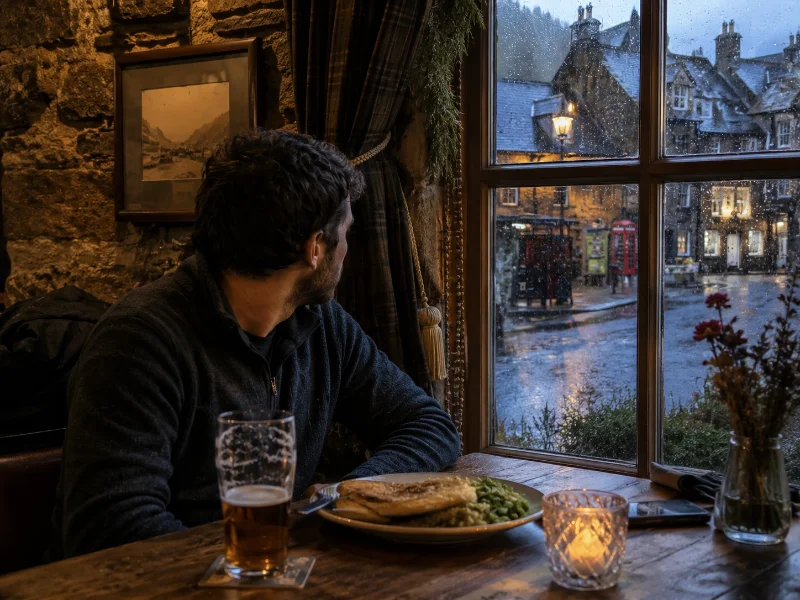
Getting these basics right- weather-ready packing, an early accommodation booking, and a realistic driving pace- does more for a Scotland trip than any single attraction on the itinerary.
Planning your itinerary connects smoothly with autumn travel and fall foliage.