A wildlife encounter that actually delivers isn’t about luck. It comes down to picking the right location during the right window. Animals concentrate around food, water, or migration routes instead of spreading across thousands of square miles. The destinations below reward that kind of planning. Some are a short domestic flight away and cost little more than gas and a park entrance fee. Others need a longer trip, a licensed guide, and a bigger budget. All of them put you near animals living exactly as they would without a visitor around. That’s a real encounter, not a staged one built for a photo.
What Makes a Wildlife Destination Worth the Trip
Not every nature reserve delivers reliable sightings. The difference usually comes down to four factors. Species density matters more than species variety. A location packed with one predictable animal beats a park where a dozen species might theoretically show up but rarely do. Timing matters just as much. Migrations, breeding seasons, and salmon runs concentrate animals into windows that can last weeks rather than months. Guide access rounds it out. Areas with experienced local trackers turn a scenic drive into an actual sighting, especially for elusive animals like jaguars or snow leopards. Habitat protection matters too. A well-managed reserve with limited vehicle access and enforced boundaries tends to hold healthier animal populations. They’re also easier to spot than wildlife on land that’s only loosely protected on paper.
Timing safari trips properly depends on the seasonal windows in the best time to visit Tanzania. India’s tiger reserves feature prominently in the best places to visit in India.
The Best Places to See Wildlife Around the World
These eleven destinations consistently deliver on that promise. Each one is built around a specific animal or ecosystem rather than a vague promise of nature. They range from a weekend road trip to a once-in-a-lifetime expedition. Use the timing and access notes below to figure out which ones fit your schedule and budget.
Yellowstone National Park, Wyoming
Yellowstone is the most accessible entry point on this list, and it still produces some of the best wildlife viewing anywhere. The Lamar Valley is often called America’s Serengeti. It holds grazing bison herds year-round and reintroduced gray wolf packs that hunt in open view of the road. Grizzly bears turn up along the tree lines in spring, especially May and June. That’s when they’re foraging low in elevation before summer growth pushes them higher. No permit or guide is required to drive the park roads at dawn. A spotting scope still makes a real difference for wolves, which tend to stay far from the pullouts. Elk and pronghorn are common enough that most visitors see several within the first hour.
Katmai National Park, Alaska
Katmai exists almost entirely for one spectacle: dozens of coastal brown bears fishing for salmon at Brooks Falls. The peak run hits in July, when bears line the falls waiting for fish to leap. A second, smaller push happens in September as bears fatten up before winter. Access is by floatplane out of King Salmon or Anchorage. Every visitor sits through a short bear safety briefing before heading to the viewing platforms. It’s one of the few places where close bear encounters are both common and genuinely low-risk.
The Serengeti, Tanzania
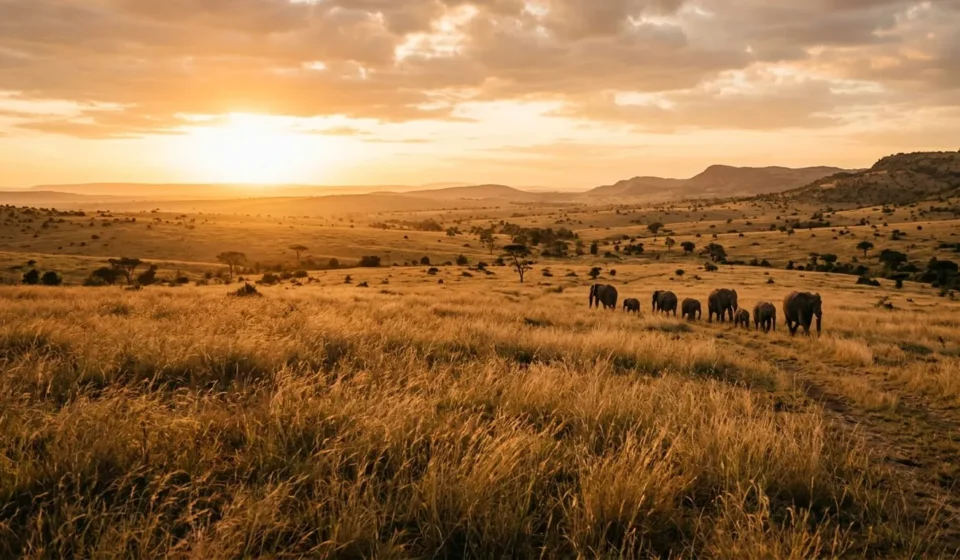
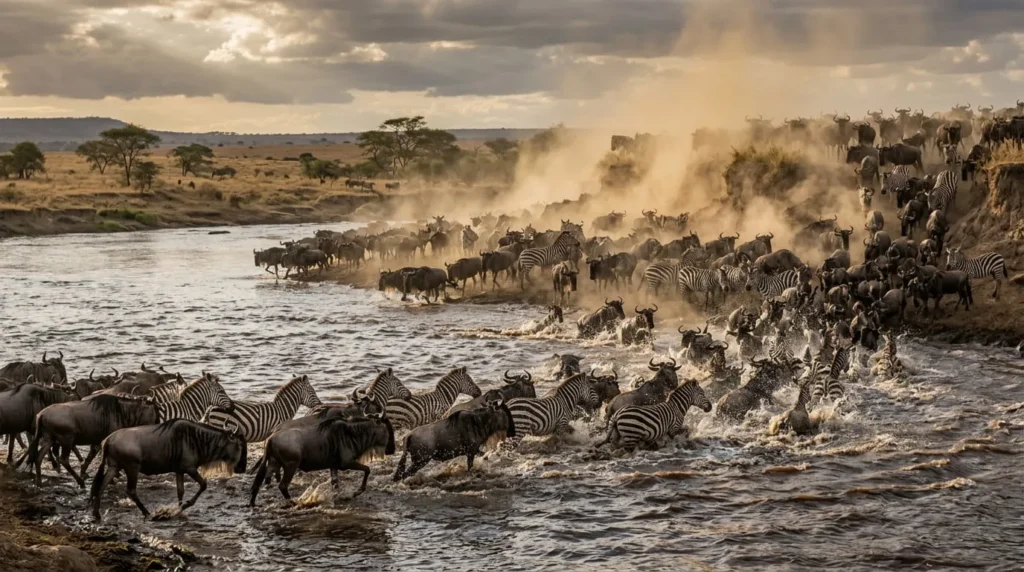
The Serengeti is built around the Great Migration, a continuous loop of roughly a million wildebeest and hundreds of thousands of zebra. They move constantly in search of fresh grazing. Calving season runs from January through March in the southern plains, drawing predators close for easy targets. The dramatic river crossings, where crocodiles wait in the Mara and Grumeti rivers, typically happen from June through August. Lions, cheetahs, and leopards are resident year-round. Timing a trip around the migration’s location makes the difference between a good safari and an extraordinary one.
The Galápagos Islands, Ecuador
The Galápagos offer something almost no other destination can: wildlife with no learned fear of people. Marine iguanas bask a few feet from footpaths, and sea lions nap on benches. Blue-footed boobies perform courtship displays without breaking stride when tourists walk by. Snorkeling here regularly puts visitors in the water with sea turtles, penguins, and reef sharks. Trips require a licensed naturalist guide by law, which keeps sightings consistent and protects the islands. December through May brings warmer, calmer water that’s better for snorkeling.
The Pantanal, Brazil
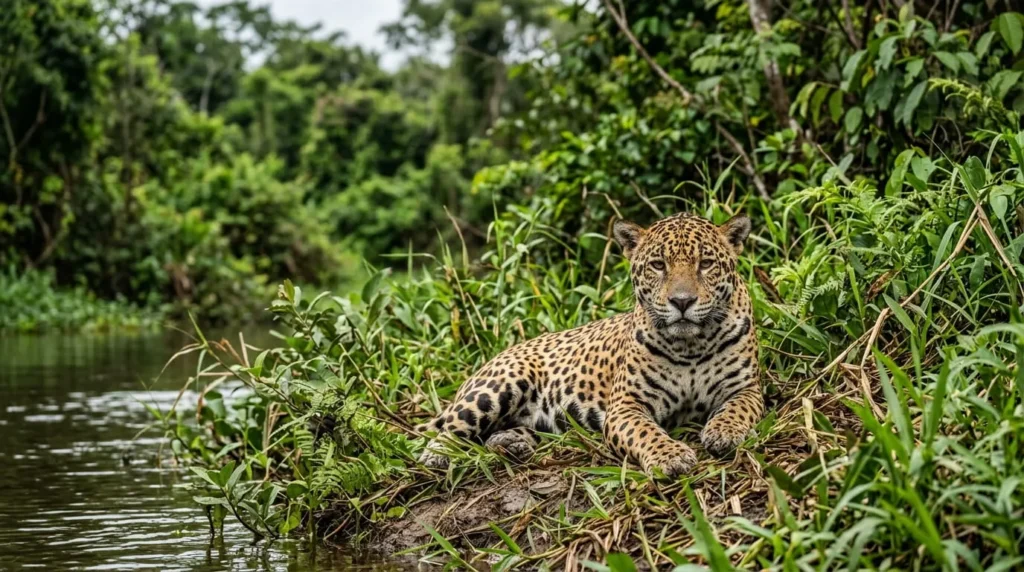
For a realistic shot at seeing a wild jaguar, the Pantanal beats the Amazon rainforest by a wide margin. This vast wetland floods and drains on a seasonal cycle. During the dry season from June through October, receding water concentrates caiman, capybara, and the jaguars that hunt them along exposed riverbanks. Boat-based safaris along the Cuiabá and Três Irmãos rivers offer far better visibility than dense jungle tracking. That’s why jaguar sighting rates here run so much higher than almost anywhere else on the continent. Multi-day trips based out of Porto Jofre give the best odds. Jaguars often bed down near the same stretch of riverbank for days at a time.
Churchill, Manitoba
Every October and November, polar bears gather along the shores of Hudson Bay near Churchill. They’re waiting for the sea ice to freeze so they can resume hunting seals. This narrow window creates one of the most reliable large-predator sightings on earth. Sightings happen from elevated tundra vehicles that keep a safe distance while still getting remarkably close. Churchill has no road connection to the rest of Manitoba. Visitors arrive by plane or the twice-weekly train from Winnipeg.
Costa Rica’s Osa Peninsula and Monteverde
Costa Rica packs an outsized amount of biodiversity into a small footprint. The Osa Peninsula is often considered its richest corner. Expect sightings of sloths, scarlet macaws, and four monkey species, alongside a real chance at spotting a tapir. Monteverde’s cloud forest sits a few hours north. It’s one of the most consistent places to see the resplendent quetzal, particularly during its March through May breeding season. The dry season from December through April is easiest for hiking, though wildlife stays active year-round.
Danum Valley, Borneo
Danum Valley in Malaysian Borneo protects one of the last stretches of primary lowland rainforest in Southeast Asia. It’s home to wild, unhabituated orangutans rather than the semi-tame populations found at rehabilitation centers. Guided night walks reveal civets, tarsiers, and slow lorises that never appear during daylight hours. Pygmy elephants pass through seasonally as well. The region stays humid year-round, but March through October brings noticeably drier trails and better visibility.
Svalbard, Norway
Svalbard sits far enough into the Arctic that polar bears outnumber people on the archipelago. The only realistic way to see it is aboard a small expedition ship. Traveling independently on land here is genuinely dangerous. Walrus haul-outs, Arctic foxes, and enormous seabird cliffs round out the wildlife alongside the bears. The summer season from June through August brings 24-hour daylight. That extends the window for spotting animals well past a normal day’s schedule.
Kruger National Park, South Africa
Kruger is one of the only Big Five destinations where a rental car is enough. A paved road can put you within sight of lions, leopards, elephants, rhinos, and buffalo. No guided safari is required, unlike in most of the region. Paved and gravel loops connect fenced rest camps, so visitors can self-drive at their own pace. Winter months from May through September thin out the vegetation and pull animals toward reliable water sources. Game is far easier to spot then than during the lush, rainy summer.
Ranthambore National Park, India
Ranthambore holds some of the best odds anywhere for seeing a wild Bengal tiger in daylight. A dense tiger population lives around a series of lakes and old fort ruins here. Sightings are far from guaranteed, but open-top jeep safaris through numbered zones improve the odds considerably. The best window is April and May, when tigers linger near water to cool off. The park closes annually during monsoon season from July through September, so trips need to work around that gap.
When to Go and How to Plan the Trip
High-demand trips like Brooks Falls lodging, Galápagos cruises, and peak-season Serengeti camps often sell out six to twelve months ahead. Timing research should start well before booking flights. Budget varies enormously by destination. A Yellowstone or Kruger trip can run a few hundred dollars in park fees and a rental car. A Svalbard expedition ship or a private Serengeti safari runs differently. Once flights and lodging are factored in, costs easily reach the thousands per person.
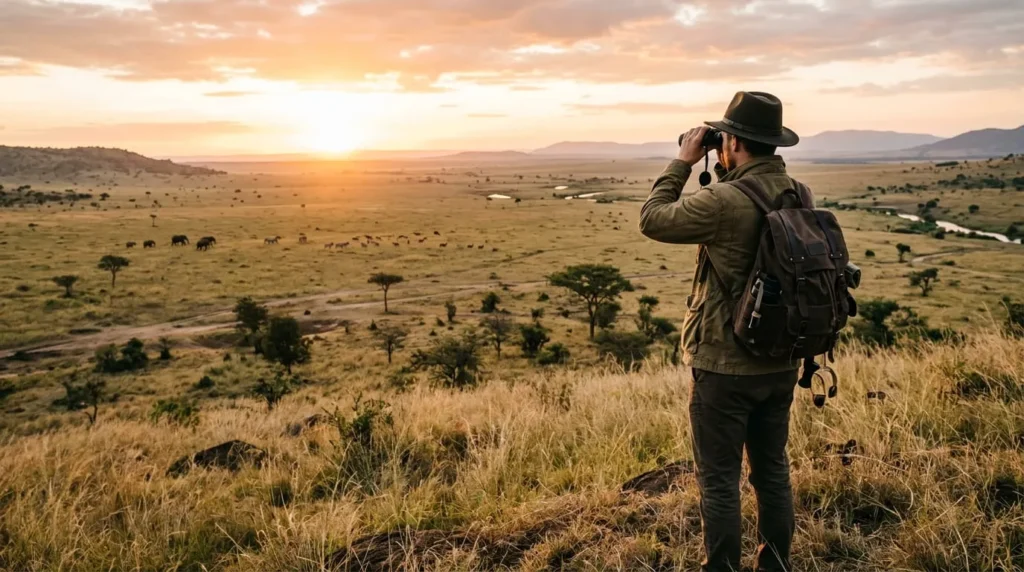
Pack a pair of quality binoculars over relying on a phone camera. Most meaningful sightings happen at a distance that a screen simply can’t capture. A basic telephoto lens changes the experience further, letting you document animals without pushing closer than a comfortable distance for them. When choosing a tour operator, look for outfits that limit group sizes and employ local guides. A documented distance policy around animals is another good sign. The difference between an ethical operator and an exploitative one isn’t always obvious from a website alone. The best wildlife trips are built around research rather than spontaneity. The payoff is a sighting that feels earned instead of staged.