Greece has more than 200 inhabited islands, and no single one is the best choice for every traveler. The right island depends on what you actually want from the trip.
Some islands are built for slow mornings and empty beaches. Others are built for boat trips, ancient ruins, or dancing until sunrise. Matching your travel style to the right island matters far more than picking whichever name is trending that year. The Greek islands represent a highlight among the best places to visit in Europe. Comparing European island hopping against Caribbean resorts helps clarify overall Curacao trip costs.
This guide groups the strongest islands by the kind of trip they suit. It also covers the practical details most island-hopping guides skip: timing, ferries, and how many islands actually fit into one visit. Use it to build a trip around what you want, not just the islands everyone has already heard of.
How to Choose the Right Greek Island for You
Start with the kind of trip you actually want, then match the island to it. Couples chasing sunset views and cliffside hotels tend to gravitate toward the Cyclades, especially Santorini. Families usually do better on islands with calm, shallow water and short transfers, like Naxos or Corfu. Travelers chasing nightlife and beach clubs head to Mykonos or Ios. Anyone who wants quiet, unpolished island life should look toward the Small Cyclades, Symi, or Skopelos instead.
Budget matters too. Santorini and Mykonos carry a real price premium on hotels and restaurants in July and August. Naxos, Paros, and most of the Dodecanese cost noticeably less for a similar quality of room and meal. If history and archaeology matter as much as beaches, weigh that when choosing a region. The Dodecanese and Crete hold far more ancient sites than the Cyclades. Museums there also tend to be less crowded outside of peak summer weeks.
The Best Overall Greek Islands to Visit
Santorini, for Caldera Views and Romance
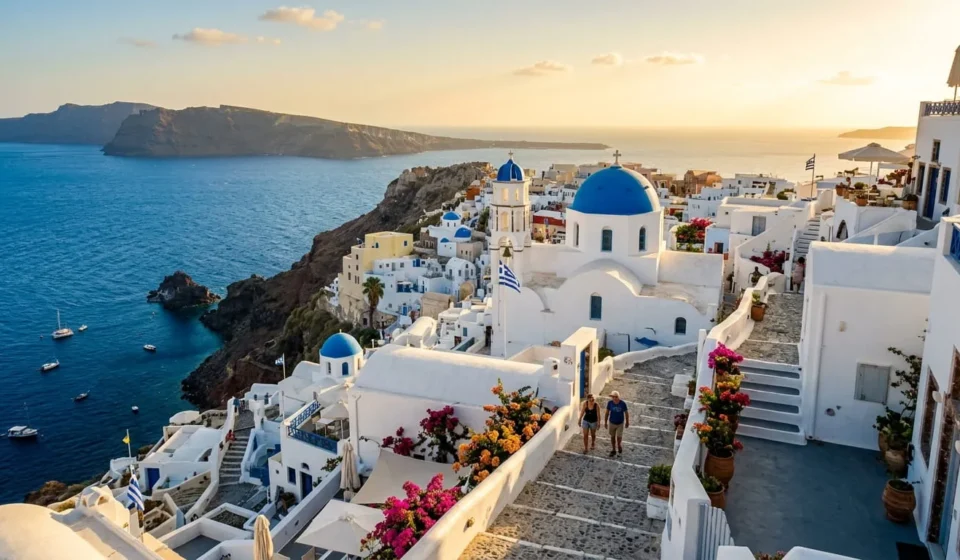
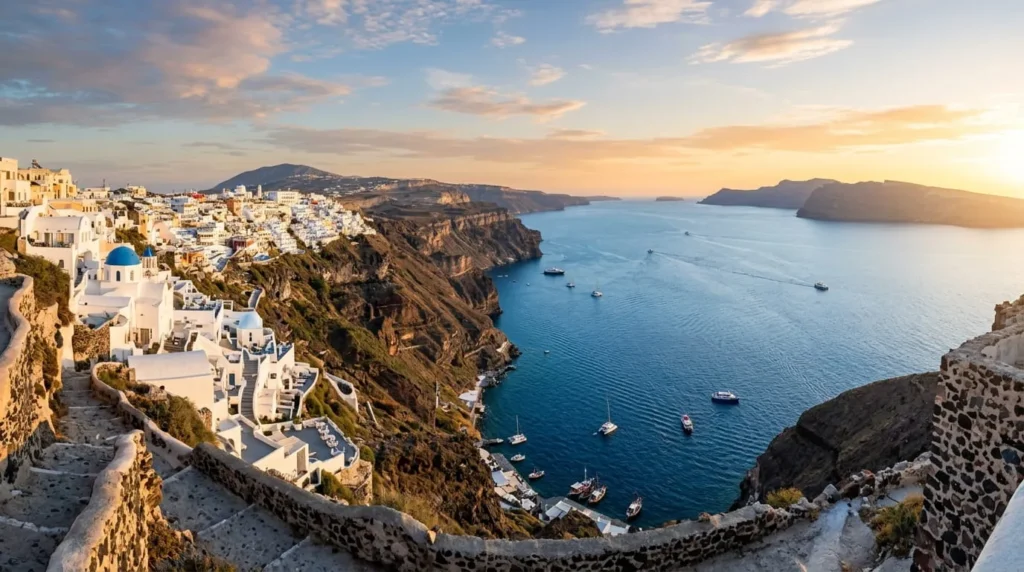
Santorini earns its reputation for one reason: the caldera. Villages like Oia and Fira sit on the rim of a collapsed volcano. Whitewashed buildings stack above a steep drop to the sea below. The beaches here are volcanic black and red sand, not the soft white sand found elsewhere in Greece. Go for the views and the wine, not the swimming.
Crete, for Range and Real Culture
Crete is Greece’s largest island, and it plays like a small country rather than a single beach stop. You can visit the Minoan ruins at Knossos in the morning. Hike part of the Samaria Gorge that afternoon. Then swim at the pink sand of Elafonissi Beach later the same week. Crete rewards travelers who rent a car and stay at least five days.
Naxos, for Classic Beaches Without the Crowds
Naxos has one of the longest stretches of continuous sandy beach in the Cyclades. It runs along the southwest coast near Plaka and Agios Prokopios. Naxos is also one of the few Cycladic islands with real farmland and a working town center. It feels lived-in rather than staged for tourists.
Milos, for Volcanic Scenery Unlike Anywhere Else
Milos is volcanic, and it shows. Sarakiniko Beach looks like a moonscape of smooth white rock. A full-day boat tour is the best way to reach many of its 70-plus beaches. Several sit below cliffs with no road access at all. Go for the geology and the boat trip rather than easy walk-in swimming.
Paros, for a Balanced First Trip
Paros sits between Mykonos and Naxos in energy. Its main town, Naoussa, has a livelier harbor scene, and ferry connections reach nearly every other Cycladic island from here. Beaches like Kolymbithres are known for their rock formations. Paros is a solid pick if you only have time for one island and want a bit of everything.
Rhodes, for History and Easy Logistics
Rhodes pairs a UNESCO-listed medieval old town, complete with a walled fortress, with some of the best tourist infrastructure in Greece. Direct flights land here from across Europe, and the island is big enough to explore for a week without repeating a beach. It also works well as a base for a day trip to Symi.
Corfu, for Greenery and a Different Coastline
Corfu sits in the Ionian Sea, and it looks nothing like the bare, sun-baked Cyclades. Olive groves and cypress trees cover much of the island. Corfu Town’s old quarter still shows its Venetian, French, and British influences layered on top of each other, a legacy of centuries under different rulers. The west coast beaches, like Paleokastritsa, sit in green coves rather than open, wind-swept bays.
Best Greek Islands to Avoid the Crowds
The Small Cyclades
Koufonisia, Iraklia, and Schinoussa form a cluster of tiny islands south of Naxos, connected by short ferry hops. Koufonisia gets the most visitors of the three. Even at its busiest, it still feels calmer than any of the major Cyclades in peak season. Expect small guesthouses over big resorts here, and expect the last ferry of the day to set the pace of your whole evening.
Symi
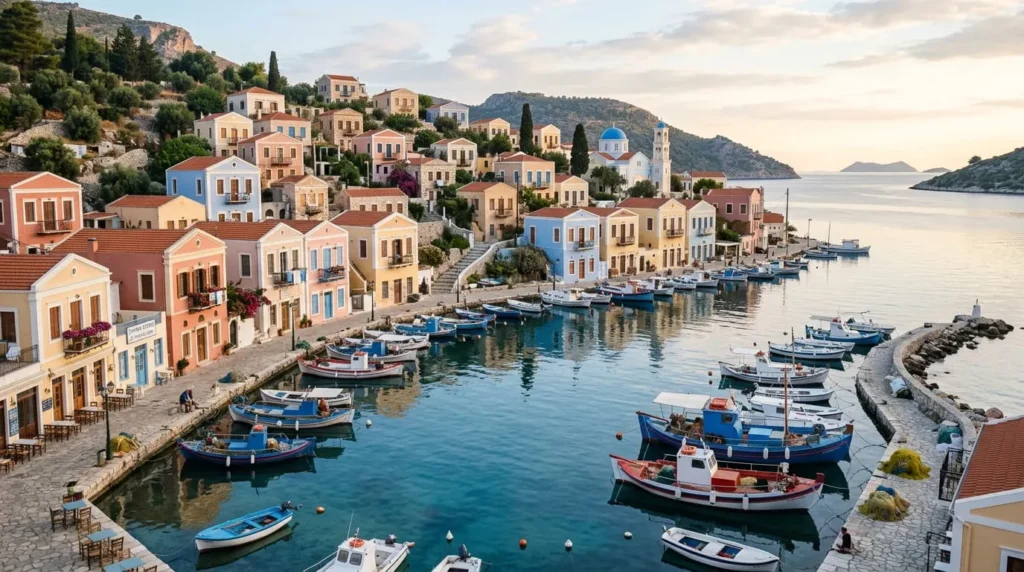
Symi sits close to Rhodes but feels like a different country, with pastel neoclassical mansions climbing the hillside above its harbor. The Kali Strata staircase leads to panoramic views over the town below. Most visitors come as a day trip from Rhodes rather than staying overnight, which keeps Symi quiet once the afternoon boats leave.
Skopelos
Skopelos, in the Sporades, is covered in pine forest rather than the bare hills typical of the Cyclades. It has direct ferry access from the mainland at Volos and Thessaloniki. That means fewer international flights and far fewer cruise crowds than Santorini or Mykonos ever see.
Best Greek Islands for Nightlife
Mykonos
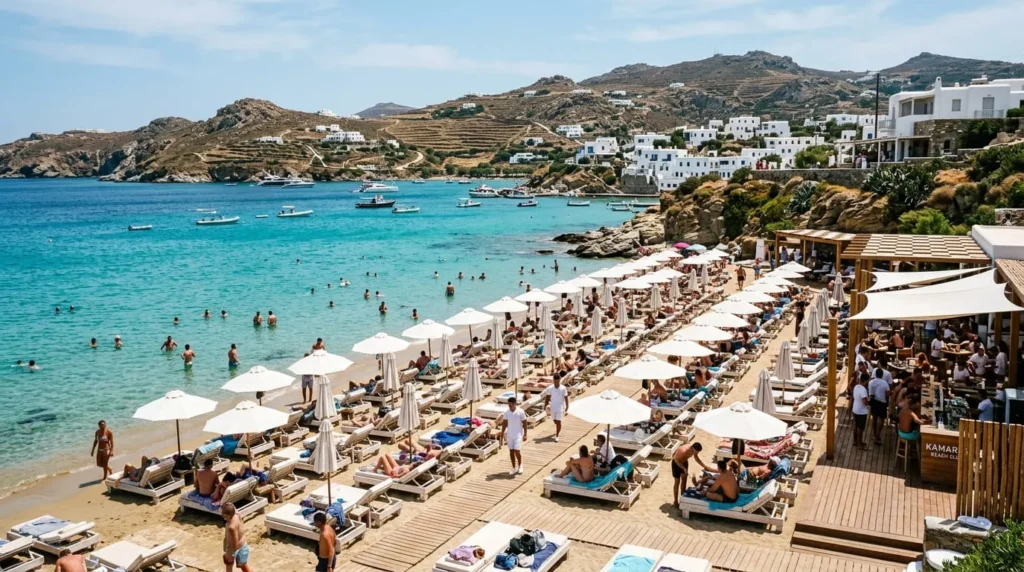
Mykonos built its reputation on beach clubs like Paradise and Super Paradise. The day starts on a lounge bed and ends with a DJ set. Outside the party beaches, Mykonos Town’s Little Venice district is worth a slow evening walk, even if you skip the clubs entirely.
Ios
Ios has a younger, more budget-friendly nightlife scene than Mykonos, centered around the bars in Chora. It also has quieter beaches on its north and south coasts. That makes it easy to balance late nights with actual rest the next morning.
When to Visit and How to Get Between Islands
Late May, June, and September give you warm water and thinner crowds without cutting into swimming weather. July and August bring the meltemi, a strong seasonal wind. It can cancel ferries with little notice and roughen the more exposed Cycladic beaches. Build a spare day into any island-hopping itinerary during those months, in case a ferry gets delayed or cancelled.
Ferries connect most islands within the same group quickly and cheaply. Booking a day or two ahead is usually enough outside of peak August dates. Travel between groups, such as from the Cyclades to the Dodecanese, usually means a longer ferry ride. A short domestic flight through Athens is often the faster option. Those domestic flights are often cheaper than the ferry once you factor in an overnight stay to make the connection. If you get seasick easily, ask about the vessel type before booking. Larger conventional ferries handle rough water far better than the faster catamarans.
Covering more than three islands in a single week usually means more time on boats than on beaches. Fewer islands with longer stays tend to beat a rushed itinerary that hops everywhere and settles nowhere.