The best time to visit Oman is between October and April, when daytime temperatures sit in the comfortable 75 to 90 degree range and you can actually hike a wadi or walk around a fort without melting. May through September brings serious heat across most of the country, though the southern region of Salalah flips this pattern entirely during its summer monsoon.
Oman rewards travelers who match their trip to the right window. Get the timing wrong and a desert safari turns into an endurance test. Get it right and you get clear skies, warm water, and mornings cool enough for a proper hike before breakfast. Winter is the ideal season for desert sightseeing, matching climate trends in the best time to visit Egypt. Muscat’s landmark architecture shows what turns a monument into a best tourist attraction.
The Short Answer
If you only remember one thing, remember this: October to April is Oman’s high season for a reason. Humidity drops, evenings are pleasant, and every outdoor activity the country is known for, from dune bashing to fort touring, becomes far more enjoyable.
December through February is the most popular stretch of that window, so expect higher hotel rates and fuller campsites in Wahiba Sands. March, April, October, and November offer nearly the same weather with noticeably lighter crowds.
Oman’s Two Real Seasons
1. Cool Season, October to April
This is peak travel time. Daytime highs in Muscat typically run from the mid 70s in January to the upper 80s by April, and nights can dip into the 60s in the mountains around Jebel Akhdar. Rain is rare but not impossible, and when it does fall it tends to be a short, welcome break in the heat rather than a washout.
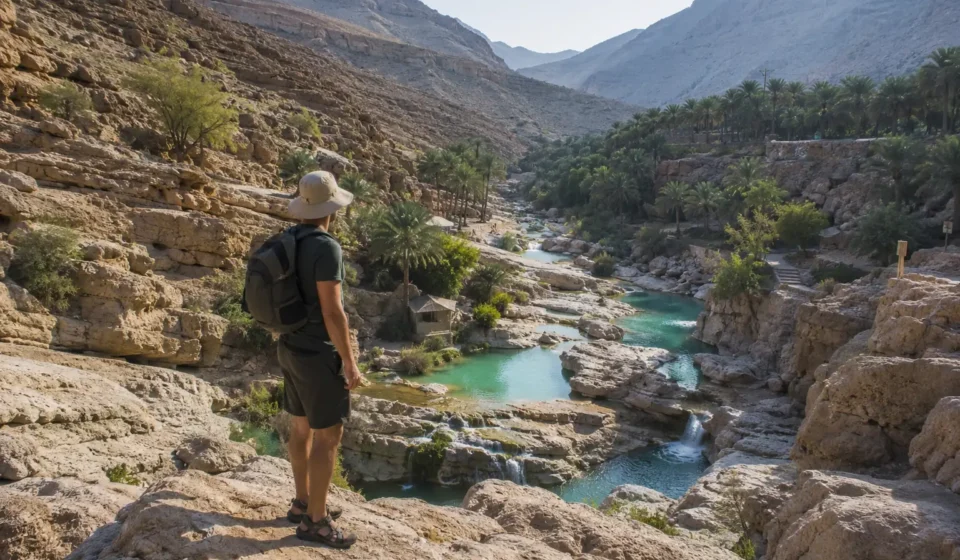
This window works for nearly every activity: hiking Wadi Shab or Wadi Bani Khalid, camping under clear skies in Wahiba Sands, driving up to Jebel Shams, and wandering the souqs in Muscat and Nizwa without ducking into air conditioning every twenty minutes.
2. Hot Season, May to September
Summer in northern and central Oman is intense. Muscat regularly hits 100 to 110 degrees Fahrenheit in July and August, and inland desert areas can run even hotter. Outdoor daytime activity becomes uncomfortable and, in the desert, genuinely risky without careful planning.
That said, this is also when hotel prices drop and popular sites empty out. Travelers who plan around early mornings, late evenings, and indoor attractions like the Royal Opera House Muscat or the Sultan Qaboos Grand Mosque can still have a good trip, just a quieter and more air-conditioned one.
Weather in Salalah Runs on a Different Clock
Salalah and the surrounding Dhofar region flip the usual script. From roughly late June through early September, the khareef monsoon rolls in off the Arabian Sea, wrapping the mountains in mist and turning brown hillsides green almost overnight.
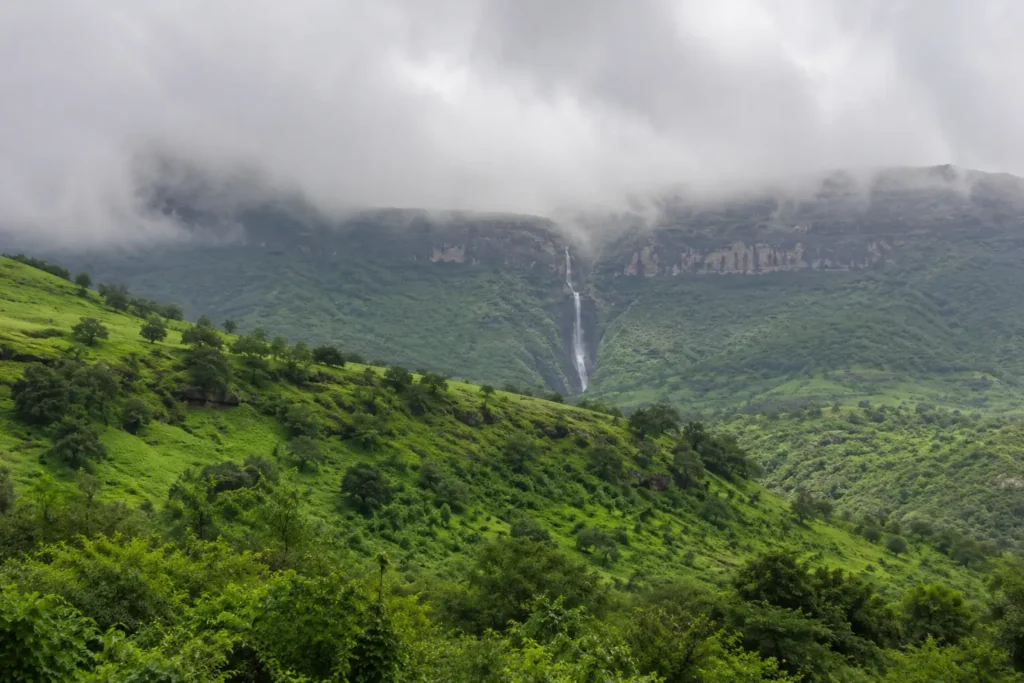
Temperatures during khareef stay mild, often in the 70s and low 80s, while the rest of Oman bakes. This makes Salalah the one part of the country where summer is actually the high season, drawing large numbers of visitors from neighboring Gulf countries who come specifically for the cooler, greener weather.
Best Time for Specific Trips
1. Wadi Swimming and Canyon Hikes
Aim for November through March. Water levels in wadis like Wadi Shab and Wadi Bani Khalid tend to be fuller and cleaner after winter rains, and the cooler air makes the hike in, which often involves scrambling over rocks, far more manageable.
2. Desert Camping in Wahiba Sands or the Empty Quarter
December through February is the sweet spot. Daytime desert heat is tolerable and nights are cool enough to enjoy a campfire rather than dread it. Avoid June through September here entirely unless the camp offers serious air conditioning, since desert nights in summer can still sit above 90 degrees.
3. Diving and Snorkeling
The Daymaniyat Islands off Muscat have decent visibility for much of the cool season, but many divers prefer late spring, from April through June, when water temperatures rise and marine life around the islands is especially active, just before the summer heat and rougher seas set in along parts of the coast.
Month by Month at a Glance
Month Northern Oman Weather What It’s Good For
January Cool, mid 70s Peak season, hiking, camping
February Cool, high 70s Peak season, festivals
March Mild, low 80s Fewer crowds, still comfortable
April Warm, mid to high 80s Diving season begins
May Hot, mid 90s Off season, lower prices
June Very hot, near 100 Khareef begins in Salalah
July Extreme heat inland, mild in Salalah Salalah high season
August Extreme heat inland, mild in Salalah Salalah high season
September Still hot, khareef ending Transition month
October Cooling down, high 80s Shoulder season, good value
November Comfortable, low 80s Wadi season starts
December Cool, mid 70s Peak season begins
Crowds and Prices
Hotel rates in Muscat and along the coast climb noticeably from mid December through February, especially around New Year and school holiday periods for European and Gulf travelers. Booking three to four months ahead for that window is worth it if you have specific properties in mind.

March, April, October, and November give you nearly the same weather as peak season with meaningfully better rates and shorter waits at popular sites like Nizwa Fort or the Alamein sinkhole. For budget focused trips, May through September in northern Oman offers the steepest discounts, provided you can handle the heat or stick to Salalah instead.
What to Pack for Each Season
For cool season trips, bring layers. Mornings in the mountains can be genuinely chilly while afternoons still call for sun protection. A light jacket for Jebel Akhdar evenings makes a real difference.
For summer trips outside Salalah, pack for heat management rather than fashion: breathable fabrics, a strong sunhat, and a refillable water bottle you actually use. For Salalah during khareef, a light rain layer is more useful than sunscreen, since the mist and drizzle are the whole point of visiting then.
Oman does not have a bad time to visit so much as it has the right region for the right month. Match the season to the trip you actually want, wadi hikes in winter, misty hills in Salalah in summer, and the rest tends to fall into place on its own.