Mexico packs more variety into one country than most travelers expect. You can climb a Maya pyramid in the morning and swim in a cenote by afternoon. The best Mexico tourist attractions fall into four groups: ancient ruins, beaches, colonial cities, and natural wonders. This guide covers twelve places that earn their reputation, with honest notes on crowds, timing, and who each spot suits. Pick two or three that match your style instead of trying to see everything. Mexico is large, and distances add up quickly.
How to Plan Your Trip Around the Top Attractions
Mexico has three travel zones that rarely combine well in a single week. The Yucatan Peninsula has the Caribbean coast, cenotes, and the best-known Maya sites. Central Mexico holds Mexico City, colonial towns, and Oaxaca. The Pacific coast and Baja offer resort towns, whale watching, and desert scenery.
Choose one zone for a week. Two zones work for ten days or more. Domestic flights are affordable and save hours of driving, but book early for holiday periods.
Most attractions are busiest from December through April, when the weather is dry and mild. Summer brings heat, afternoon rain, and lower prices. Hurricane season runs from June through November and mostly affects the Caribbean and Pacific coasts.
Ancient Ruins Among the Best Mexico Tourist Attractions
Mexico was home to several advanced civilizations, and their cities are still standing. These four sites are the strongest picks.
1: Chichen Itza
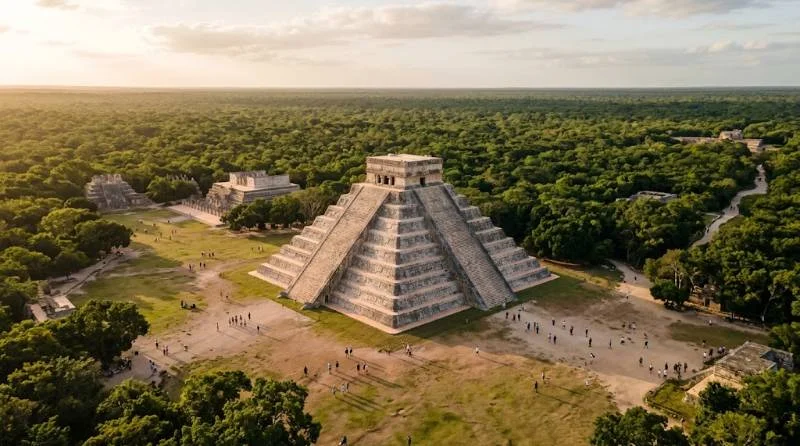
Chichen Itza is the most visited Maya site in the country, and the crowds show it. The main pyramid, El Castillo, is striking, but climbing it is no longer allowed. Arrive when the gates open to get photos without a wall of people. Vendors line the paths, so expect a busy, commercial atmosphere. The nearby cenote Ik Kil makes a good swim afterward. Plan a half day, or a full day if you add Valladolid.
2: Teotihuacan
Teotihuacan sits about an hour from Mexico City and is far older than the Aztec empire. The Pyramid of the Sun and the Pyramid of the Moon are the highlights. Climbing rules change, so check on arrival. The walk along the Avenue of the Dead is long and fully exposed. Bring water, a hat, and sunscreen. Go early, because midday heat is intense. A sunrise balloon flight is an option if you want a different view.
3: Tulum
Tulum has smaller ruins than the other sites, but the setting is hard to beat. Cliffside temples overlook turquoise Caribbean water. The site is compact and takes about two hours. It gets crowded and hot by late morning, so go first thing. Beach access below the ruins varies, so check what is open before you plan around a swim.
4: Uxmal and Palenque
If the crowds at Chichen Itza put you off, try Uxmal near Merida or Palenque in Chiapas. Uxmal has ornate stonework and a quieter feel, and its main pyramid is rounded rather than stepped. Palenque sits in thick jungle, with howler monkeys calling from the trees around the temples. Both reward travelers who want atmosphere over convenience. Palenque is far from the main resort areas, so it needs extra travel time.
Beaches and Islands Worth a Flight
Mexico has coastline on both the Caribbean and the Pacific, and each side feels different. The Caribbean has soft white sand and calm water. The Pacific has bigger waves and more dramatic scenery.
1: Cancun and the Riviera Maya
Cancun is the easiest entry point, with frequent direct flights from many cities. The hotel zone has wide beaches and large resorts. South of it, the Riviera Maya stretches to Playa del Carmen and Akumal, where you can swim with sea turtles in the bay. Ferries run from Playa del Carmen to Cozumel, which has some of the best snorkeling and diving in the region. Isla Mujeres, a short boat ride from Cancun, is quieter and works well as a day trip. Isla Holbox, north of the mainland, has sandy streets, few cars, and calm shallow water. Sargassum seaweed can affect Caribbean beaches in spring and summer, so check recent conditions before booking.
2: Los Cabos
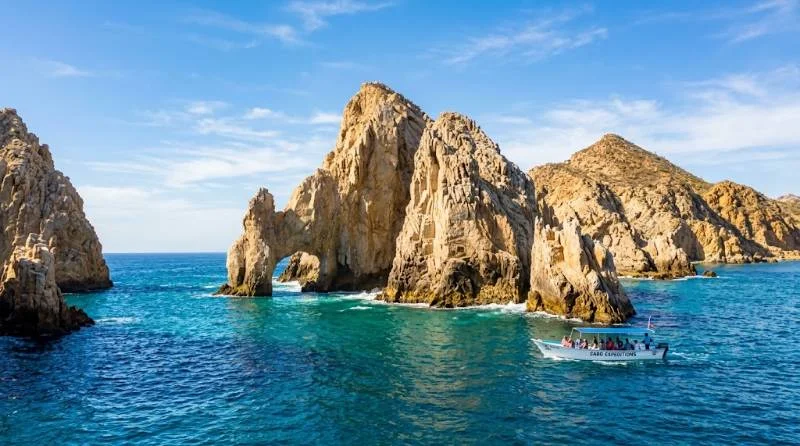
Los Cabos sits at the tip of the Baja peninsula, where desert meets the Pacific. El Arco, the rock arch at Land’s End, is a short boat ride from the Cabo San Lucas marina. Strong currents make swimming unsafe at many Pacific beaches here. Choose protected spots like Medano Beach. From December to April, whale watching tours are a major draw. San Jose del Cabo is calmer and has a pleasant art district.
3: Puerto Vallarta
Puerto Vallarta mixes beaches with a walkable old town. The Malecon boardwalk is lined with sculptures and fills with locals at sunset. Day boats reach the Los Arcos marine park and Yelapa, a village with no road access. It suits travelers who want a beach trip with real town life.
Colonial Cities and Culture
Mexico’s cities are attractions in their own right. Each has a distinct personality, so match the city to your interests.
1: Mexico City
Mexico City is the best choice for travelers who like depth. The Zocalo, Templo Mayor, and the National Museum of Anthropology cover thousands of years of history. Coyoacan, home to the Frida Kahlo Museum, is a pleasant neighborhood to wander. Museum tickets often sell out, so book ahead online. The city sits at high altitude, so drink water and go easy on your first day. Food is the other reason to visit, from street tacos to high-end tasting menus. Allow at least three full days.
2: Oaxaca
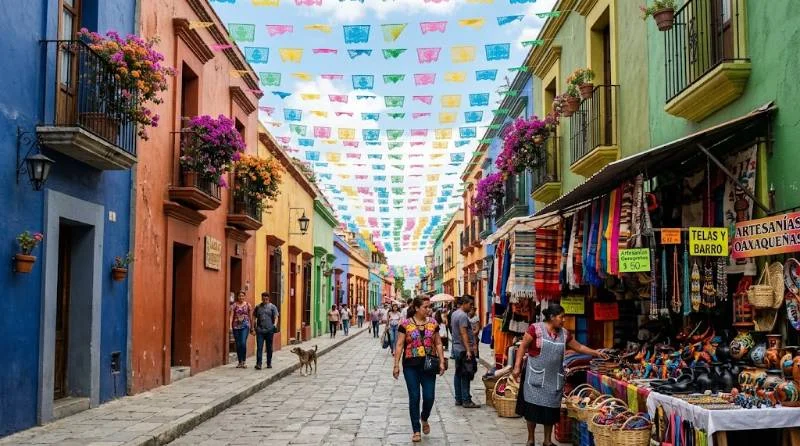
Oaxaca is the pick for food and craft lovers. Its markets sell mole, tlayudas, mezcal, and chocolate, and cooking classes are easy to find. Nearby, Monte Alban is a hilltop Zapotec site with wide views. Hierve el Agua has mineral formations that look like frozen waterfalls. Visit around Day of the Dead, from late October to early November, for the city’s biggest celebration. Book months ahead.
3: Guanajuato and San Miguel de Allende
Guanajuato has colorful hillside houses, tunnels used as streets, and a lively university crowd. San Miguel de Allende is more polished, with a pink Gothic-style church, many galleries, and rooftop bars. Both have cobblestones that are hard on rolling luggage and thin-soled shoes. Each works well as a two-night stop, and they sit roughly ninety minutes apart by car.
Natural Attractions Beyond the Beach
Mexico’s landscapes go well beyond the coast. These three are worth building a trip around.
1: Cenotes of the Yucatan
Cenotes are natural sinkholes filled with clear freshwater, and the Yucatan has thousands. Some are open-air pools. Others are caves with stalactites and shafts of light. Gran Cenote near Tulum and Dos Ojos suit snorkelers. Many sites ask you to rinse off first and use reef-safe sunscreen, or none at all, to protect the water. Go early to avoid tour buses.
2: Copper Canyon
Copper Canyon in Chihuahua is a network of canyons that rivals the Grand Canyon in scale. The Chepe train runs through the region and offers dramatic views. It is a slower, more remote trip, best for hikers and anyone who wants a break from beaches. Allow four or five days.
3: Monarch Butterfly Reserves
From November to March, millions of monarch butterflies winter in the forests of Michoacan. The sanctuaries near Angangueo require a short hike at altitude. The best viewing is on sunny afternoons, when the butterflies take flight. It is an unusual stop that pairs well with a Mexico City trip.

Practical Tips Before You Visit Mexico Tourist Attractions
1: Documents and money
You need a valid passport to enter. Check the current entry rules and any tourist card requirements before you fly. Dollars are accepted in many resort areas, but pesos give better prices elsewhere. Use ATMs inside banks or malls, and decline dynamic currency conversion at the machine. Carry small bills for tips and entrance fees.
2: Staying safe
Most tourist areas welcome millions of visitors each year without trouble, but conditions differ by region. Check your government’s current travel advisory before booking, and follow local guidance. Use licensed taxis or ride apps, stay on main roads at night, and keep valuables out of sight. Stick to bottled or purified water.
3: How many days you need
Five to seven days suits one region. Ten to fourteen days lets you pair Mexico City with Oaxaca, or the Yucatan with a colonial city like Merida. Resist the urge to add more stops, because transfers eat full days.