To travel to epic adventures beyond the ordinary, choose a trip where terrain, weather or wildlife sets the schedule, then book the hardest item first. That is usually a permit, a polar berth or a licensed guide, and flights and hotels can bend around it.
Most pages on this topic list dramatic places and stop there. The harder job is matching a place to your fitness, budget and calendar. This guide compares six trips by effort, lead time and cost, so you can pick one before you pay a deposit.
What Beyond the Ordinary Actually Means for a Trip
Epic is a marketing word, not a trip category. Operators, bloggers and luxury brands all use it differently, so a working definition helps.
A trip counts as beyond the ordinary when three things are true. The environment sets your pace through snow, tides, altitude or animals. The booking needs real lead time. And you come home with a story a package tour could not produce.
That filter removes a lot of noise. A beach week with one zipline day is not off the beaten path, and neither is a city break with a day trip.
Six Epic Adventures Compared by Effort, Lead Time and Cost
The table below uses relative labels because prices and fees change by season and operator. Treat it as a screening tool, then request itemized quotes.
| Trip | Best Window | Effort | Book Ahead | Relative Cost |
| Antarctica small-ship voyage | November to March | Low to moderate | Many months | Very high |
| Everest Base Camp trek | Spring and autumn | High | Weeks to months | Moderate |
| Grand Canyon river trip | Varies by operator | Moderate | Up to a year | High |
| Northern lights in the Arctic | September to April | Low | Weeks to months | Moderate |
| Salar de Uyuni, Bolivia | Year round | Low to moderate | Weeks | Low to moderate |
| Torres del Paine W Trek | November to March | Moderate to high | Months | Moderate |
Ice, Altitude and Rivers: Three Trips Where Permits Come First
1. Antarctica Without the Big-Ship Trap
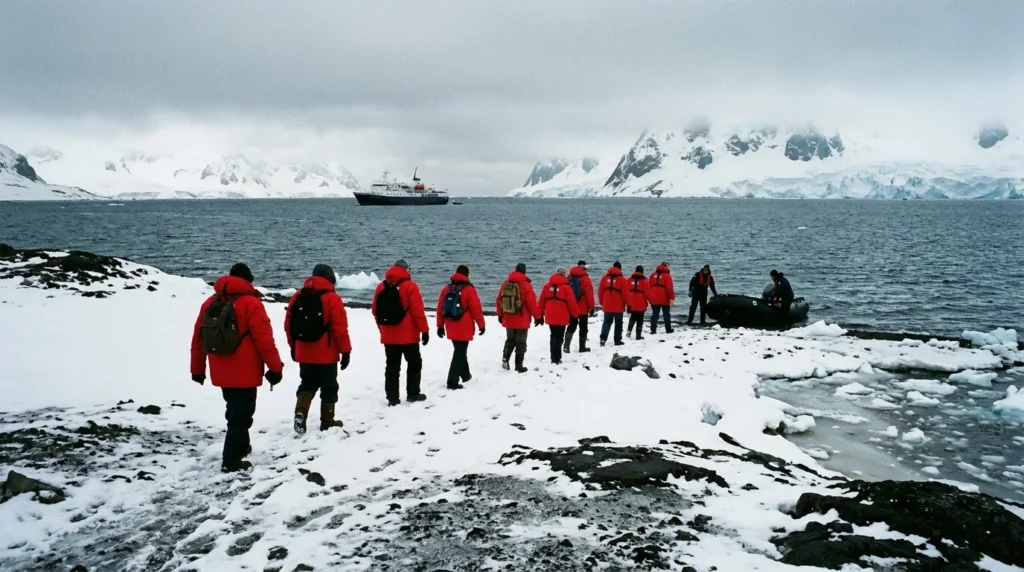
Most Antarctic tourism follows guidelines from the International Association of Antarctica Tour Operators (IAATO). Ships carrying more than 500 passengers do not land people on the continent, and no more than 100 visitors may be ashore at a site at once.
That makes the type of vessel the first decision. A large cruise ship shows you the scenery from the deck, while a small expedition ship gets you onto the ice. KarryOn reported IAATO figures of about 118,000 visitors for the 2024-25 season, so popular departures fill early.
Before paying a deposit, ask whether the operator is an IAATO member and whether the price includes landings and transfers to the departure port.
2. Everest Base Camp: A Walk With Serious Altitude
Base camp on the Nepal side sits at 5,364 meters (17,598 feet) inside Sagarmatha National Park. Standard itineraries from Lukla take 12 to 14 days, with rest days built in at Namche Bazaar and Dingboche.
Fitness helps, but it does not protect you from altitude sickness. The NHS advises that descending is the only dependable treatment for severe cases, which is why itineraries without rest days are a red flag. Permit fees and rules change often, so confirm current requirements with the Nepal Tourism Board or a licensed operator.
3. Grand Canyon by River: Lottery or Commercial Trip
Rafting the Colorado River through Grand Canyon National Park works two ways. You can book a commercial guided trip, or you can enter the National Park Service weighted lottery for a private, self-guided permit.
The park states that self-guided trips require technical whitewater experience, and that permit payments are nonrefundable once a date is awarded. For anyone without that experience, a commercial outfitter is the realistic route.
Three More Trips With Very Different Demands
1. Northern Lights: Plan for Several Nights
Aurora season in the Northern Hemisphere runs roughly September to April, and the best odds are at high latitudes such as northern Norway, Iceland, Alaska and Svalbard. NASA announced in October 2024 that the sun had reached solar maximum, and aurora activity often stays strong for a few years afterward. No operator can promise a sighting, so a stay of four or five nights beats a single planned evening.
2. Salar de Uyuni: The Mirror Effect and Its Trade-Offs
Bolivia’s Salar de Uyuni is the world’s largest salt flat, sitting at roughly 3,650 meters above sea level. A thin layer of rainwater turns it into a giant mirror, which usually happens in the wet months from about December to March. The dry season has its own appeal, with hexagon salt patterns and easier overland access across the flat.
Tours run from the town of Uyuni, usually as one to four day jeep trips. Book with a licensed operator, and plan a day to adjust to the altitude first.
3. Torres del Paine: Reserve Before You Fly
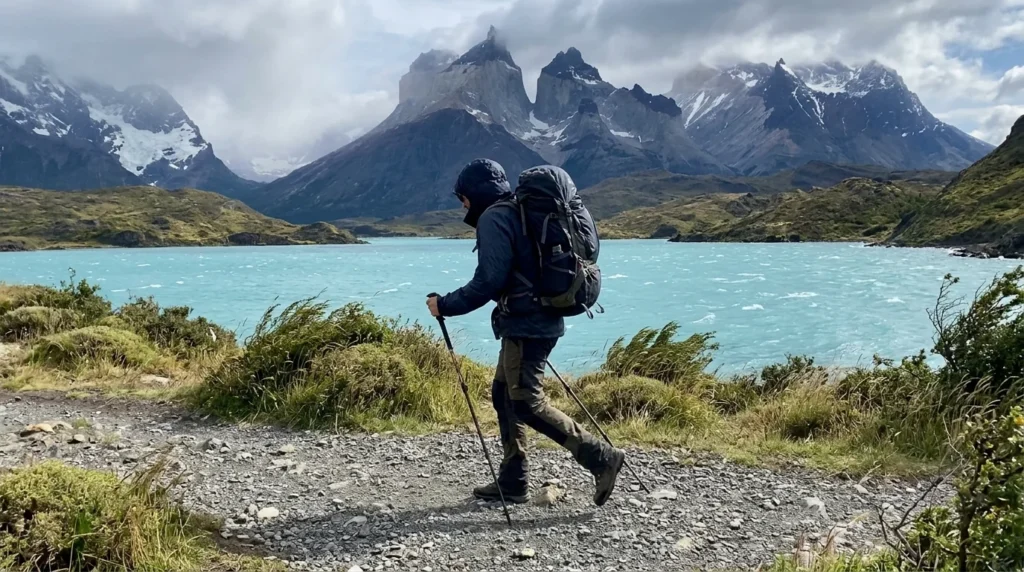
Chile’s Torres del Paine National Park in Patagonia is best walked on the W Trek, a multi-day route through granite towers, glaciers and lakes. Campsites and refugios must be reserved in advance, so lock them in before buying flights. Chilean summer, roughly November to March, is the standard season, though wind is a constant.
Where First-Time Adventurers Should Start
Adventure trips for beginners should score low on effort and moderate on lead time. A northern lights trip, a Salar de Uyuni tour or a guided multi-day hike in a national park with huts all fit.
Start with a four to six day trip before committing to a two-week expedition. You learn how your body handles cold, altitude and long travel days, and the lessons carry over to bigger plans.
The Effort, Lead Time and Cost Test
Most guides rank places by how photogenic they are. A better method scores each trip on three questions.
Start with effort: could you train for this in the months you have? Then check lead time: how early must the permit, berth or campsite be locked in? Finish with cost: what is the full price once flights, insurance, gear and permits are added?
If one answer is a hard no, move to a lower-demand trip. A fit traveler with a two-week window and a modest budget is usually better served by Torres del Paine or Uyuni than by an Antarctic voyage that needs a year of saving.
Booking Order That Protects Your Deposit
When you travel to epic adventures beyond the ordinary, reserve the scarcest item first, which is usually the permit, polar berth or campsite. Book refundable or changeable flights after that, since they can be shifted if the permit date moves.
Add one or two buffer days at each end of any remote itinerary. Weather, sea conditions and small-aircraft schedules decide whether you leave on time, and missed connections cost more than spare nights.
Choose operators with a verifiable track record. The Adventure Travel Trade Association publishes member directories, and recent traveler reviews on independent sites show how a company handles delays.
Insurance and Health Checks Before You Pay
Standard travel insurance often excludes remote or high-altitude activities. Ask your insurer to confirm in writing that medical evacuation and rescue are covered for the specific activity and the maximum altitude.
See a travel medicine doctor several weeks before departure. They can advise on vaccines, altitude medication such as acetazolamide, and any condition that makes a remote trip risky for you.
This section is general information, not medical or insurance advice.
Ways to Make an Epic Trip Cost Less
Adventure travel on a budget is possible if you choose the right trade-offs. Shoulder seasons often cut accommodation and tour prices, and local guides often cost less than international packages while keeping more money in the region.
Self-guided hikes with reserved huts or campsites, such as the W Trek, cost far less per day than guided cruises. Last-minute deals exist for aurora trips and some expedition voyages, though they work only if your dates are flexible.
Mistakes That Wreck Remote Trips
The most common errors are booking flights before permits, packing the itinerary with no spare days, and assuming cell service will work. Others are skipping evacuation cover, buying new boots the week before departure, and trusting one blog’s permit fee without checking an official source.
That last point matters more than it sounds. Permit prices and entry rules for places like Nepal and the Grand Canyon are revised regularly, and old articles keep repeating outdated numbers.
Responsible Travel in Fragile Places
Remote regions cannot absorb heavy traffic, and the rules that limit it are part of the experience. Landing caps in Antarctica, permit systems in Nepal and Grand Canyon quotas all exist to protect the places you came to see.
Hire local guides, stay in locally owned lodges, carry out your trash, and follow wildlife distance rules. On Svalbard, for example, the Governor requires anyone leaving settlements to carry polar bear protection, so a guided trip is the practical choice.
Start With the One Constraint You Cannot Change
Whether it is a fixed two-week holiday, a fitness level or a savings number, name the constraint first and shop for trips around it. A plan to travel to epic adventures beyond the ordinary works best when it stretches you a little without breaking the budget or the calendar. Choose one destination from the table, verify the rules with an official source, and book the scarce item this week.