
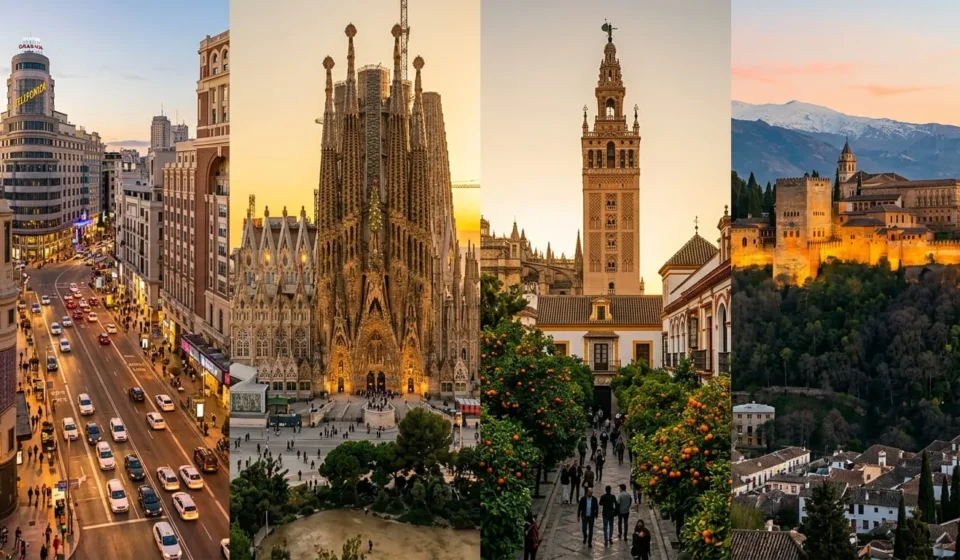
Spain packs more distinct cities into one country than almost anywhere else in Europe. Picking which ones to visit shapes the entire trip. The best cities to visit in Spain fall into a few different categories: capital energy, coastal charm, and deep Moorish history. Rather than trying to see everything on one visit, the smarter move is choosing three or four cities that complement each other. Save the rest for next time. Trip length matters here too. A one-week visit supports two or three cities comfortably, while two weeks opens up a full regional route. Below is a breakdown of the cities worth building a trip around, plus the planning details that actually matter once you land. Each entry includes what makes that city different from the others on this list, not just what it’s known for.
Madrid: The Best Base for a First Trip
Madrid sits at the geographic center of Spain, and that location alone makes it worth including on most itineraries. The Prado holds one of the finest painting collections in the world. The nearby Reina Sofía adds Picasso’s Guernica and a strong modern art wing on top of that. Retiro Park gives the city a genuine break from stone and traffic, especially on Sunday mornings when locals fill it. Madrid also runs later than most cities its size. Dinner rarely starts before nine, and neighborhoods like Malasaña and La Latina stay busy well past midnight. Madrid connects to nearly every other major city by high-speed rail. That makes it a natural first stop after a long international flight. It also makes a solid home base for day trips into central Spain. Almost nowhere on this list is more than a few hours away by rail.
Spain’s architectural hubs form a core leg of the best places to visit in Europe. Travelers planning Mediterranean itineraries often pair mainland Spain with the best islands to visit in Greece.
Barcelona: Gaudí’s City on the Coast
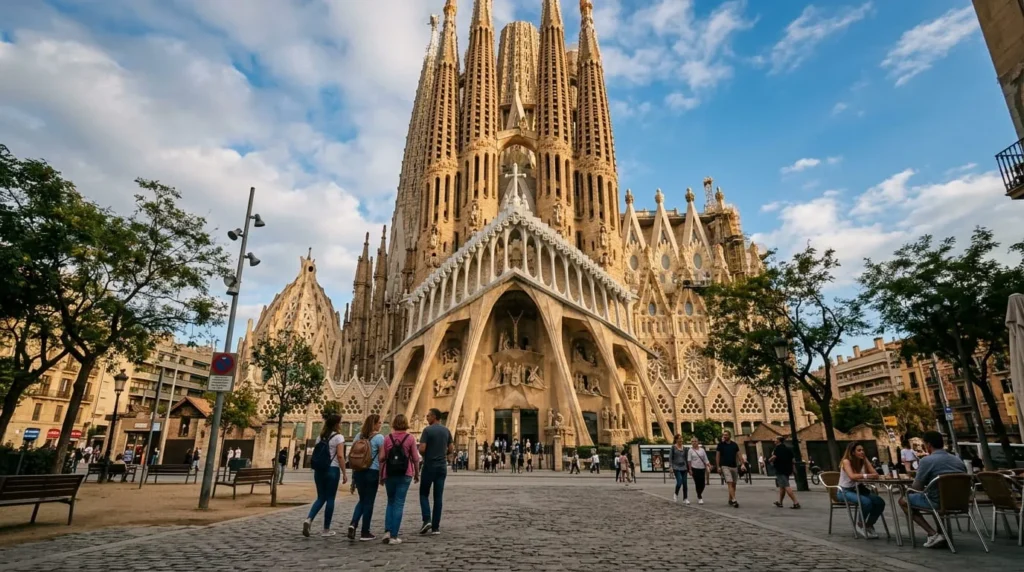
Barcelona pairs beach access with some of the most original architecture anywhere in Europe. The Sagrada Família alone justifies a stop, though it draws large crowds year-round. Book timed tickets several weeks ahead rather than showing up and hoping for a same-day slot. Park Güell and Casa Batlló round out Antoni Gaudí’s other major works, each within a manageable walk or metro ride. Beyond the architecture, the Gothic Quarter’s narrow streets and the beachfront promenade give Barcelona a rhythm that feels different from inland Spain. Barcelona is the most visited city on this list. A late spring or early fall visit means shorter lines without sacrificing warm weather.
Seville: Flamenco and Moorish Architecture in Andalusia
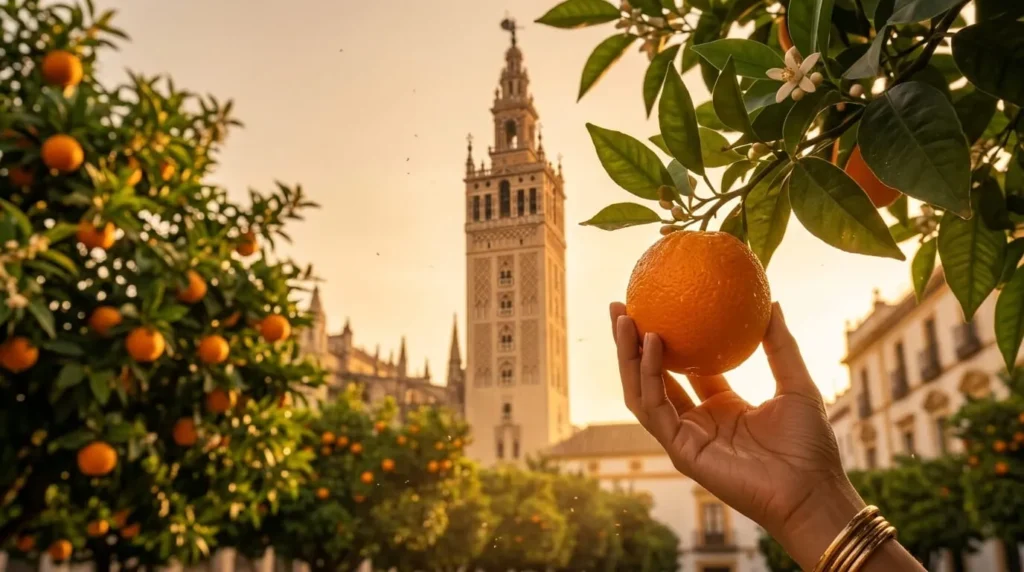
Seville delivers the Spain most travelers picture: tiled courtyards and orange trees lining the streets. Flamenco here is performed in small, unpolished venues rather than tourist theaters. The Alcázar’s Mudéjar architecture and gardens rival Granada’s Alhambra. The cathedral next door is the largest Gothic church anywhere in the world. One detail separates Seville from the rest of this list. Summer heat here is severe, with temperatures regularly passing 100 degrees Fahrenheit in July and August. Visit in April, May, October, or November instead. The weather stays comfortable, and the city’s outdoor tapas culture actually makes sense in that window.
Granada: The Alhambra and the Albaicín
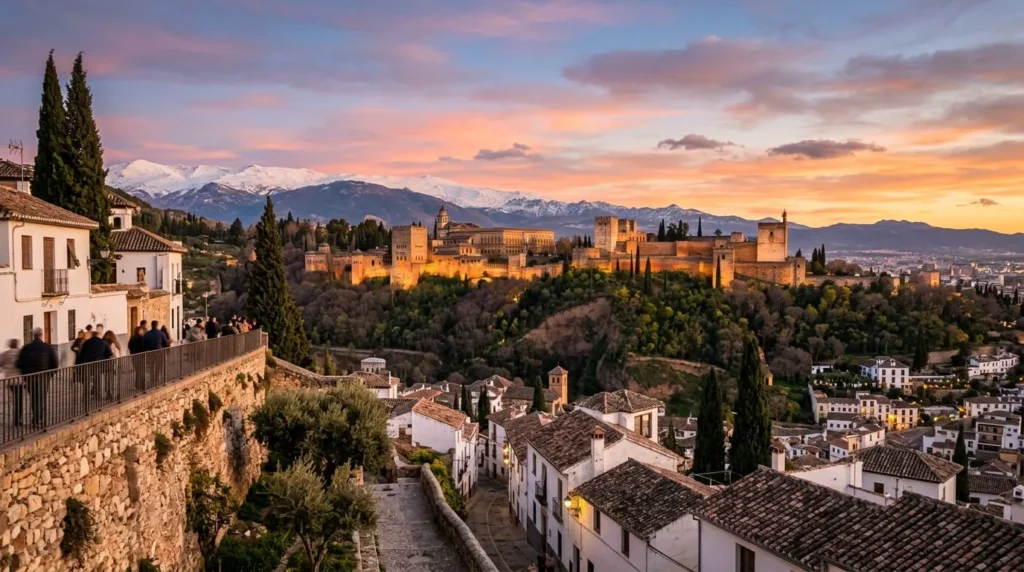
Granada exists almost entirely in the shadow of the Alhambra, and for good reason. The palace and fortress complex is one of the best-preserved examples of Islamic architecture in Europe. Tickets sell out weeks in advance during peak season, so this is not a destination to plan loosely. Buy Alhambra tickets the moment your dates are set, not after you arrive. Below the palace, the Albaicín neighborhood’s whitewashed streets offer some of the best sunset views of the Alhambra from across the valley. Granada is also one of the last places in Spain where bars still serve a free tapa with every drink. That tradition alone makes it an unusually affordable stop for a longer trip.
Valencia: Beaches, Paella, and Modern Design
Valencia gets overlooked next to Barcelona and Madrid, which works in its favor. Expect fewer crowds, lower prices, and a beach that’s actually walkable from the historic center. The City of Arts and Sciences complex gives Valencia a futuristic skyline unlike anywhere else in the country. Think curved white concrete and long reflecting pools stretching across the site. This is also the city where paella originated. Eating it here gives a more authentic version than what most restaurants serve elsewhere in Spain. Order it for lunch rather than dinner, since that’s the traditional timing. Valencia’s beaches also make it one of the easier cities to slow down in for a few extra days.
San Sebastián: A Small City Built Around Food
San Sebastián punches well above its size, largely because of pintxos, the Basque region’s answer to tapas. They’re served on small bar counters throughout the old town, often eaten standing up with a glass of local cider. The beach at La Concha is often ranked among the best urban beaches in Europe, curving gently between two headlands. This is a pricier stop than the south of Spain, so budget accordingly. It pairs naturally with Bilbao, about an hour away by bus, rather than standing alone on an itinerary.
Bilbao: More Than a Guggenheim Day Trip
Bilbao gets treated as San Sebastián’s quieter neighbor, but it deserves its own stop. The Guggenheim Museum’s titanium curves transformed the city’s reputation starting in the late 1990s. The surrounding riverfront has kept developing ever since, with new bridges, parks, and restaurants filling in around it. The old town, known locally as the Casco Viejo, still holds the pintxo bars and covered market. Both predate the museum boom by centuries. Bilbao works well as a two-night stop between San Sebastián and a flight home. It also makes a good base for exploring the wider Basque coastline. Smaller fishing towns like Getaria are easy day trips by bus.
Toledo and Córdoba: History Without an Overnight Stay
Not every worthwhile city needs its own hotel booking. Toledo sits about 30 minutes from Madrid by high-speed train. Its walled old town, blending Christian, Muslim, and Jewish history, is compact enough to cover in a single day. Córdoba sits roughly an hour and a half from Madrid or Seville by train. Its centerpiece is the Mezquita, a former mosque turned cathedral filled with hundreds of striped arches. Both cities work best as day trips layered onto a Madrid or Seville stay. That approach frees up hotel budget for the cities where you’ll want more time. It also avoids the cost and hassle of an extra hotel change.
How to Combine the Best Cities to Visit in Spain
Spain’s high-speed AVE trains connect most major cities in two to three hours, which makes it tempting to try to see everything. Resist that urge. A smarter approach groups cities by region. Try a southern route through Madrid, Toledo, Córdoba, Seville, and Granada, or a northern route through Barcelona, San Sebastián, and Bilbao. Trying to combine both regions in a single trip usually means more time on trains than in cities. Book train tickets a few weeks ahead during summer, since popular routes sell out well before departure.
Weather also varies more by region than most travelers expect. The south runs hot and dry for most of the summer. The north stays mild and rainier throughout the year, and Madrid sits somewhere between the two, with sharp seasonal swings. Spring and fall work for nearly every region on this list. That’s why those months book up first for flights, hotels, and major attractions. Reserve key sights well ahead if you’re traveling then. Spain is part of the Schengen area, and entry requirements can shift over time. Check the current rules for your passport a few months before departure rather than assuming last year’s requirements still apply.
Which City Should You Visit First
There’s no single right answer to where to go first among the best cities to visit in Spain. A traveler chasing art and nightlife will build a different trip than one chasing beaches or quiet mountain towns. Spain has enough range to satisfy both without repeating a single city twice. That variety is exactly why a second or third trip rarely feels redundant. Start with two or three cities that share a region. Get a feel for how Spanish travel actually moves, then save the rest for a second trip.