The best islands in the Caribbean depend on what you actually want from the trip. Turks and Caicos suit beach and snorkeling trips, Aruba works well for travelers who want guaranteed sun and easy logistics, and Dominica is the pick for hiking and untouched nature. The rest comes down to matching the island to your pace, budget, and interests.
What Makes a Caribbean Island Worth Visiting
Not every island in the region offers the same experience, even though travel ads tend to blur them together. Water clarity, rainfall patterns, flight access, and the density of resorts all vary a lot from one island to the next. A trip built around diving needs different conditions than one built around nightlife or hiking.
Distance from the hurricane belt also matters if you are booking during peak storm season, which runs from June through November. Islands like Aruba and Curaçao sit far enough south that they see storms far less often than islands like the Bahamas or the Virgin Islands. That single detail changes how comfortable it is to book a trip for August or September.
Turks and Caicos for Beaches and Snorkeling
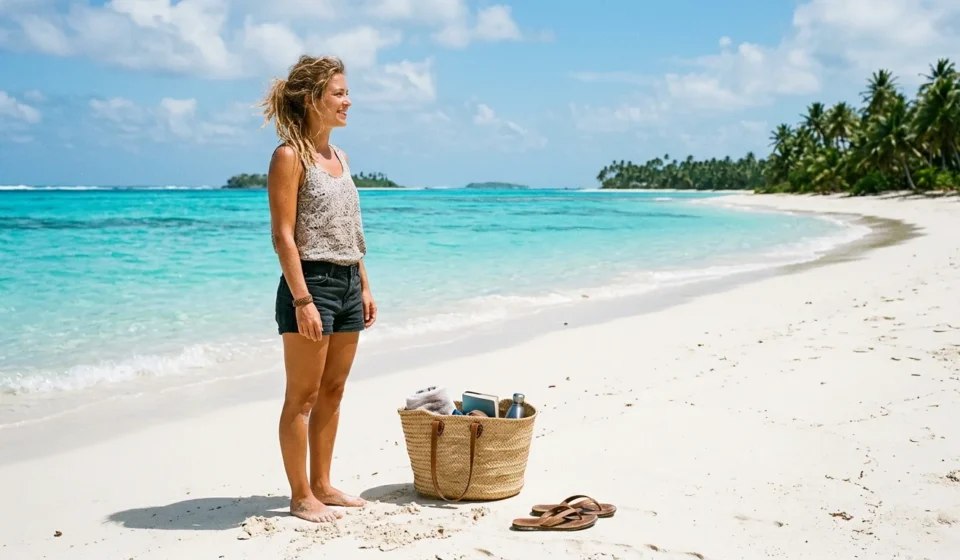
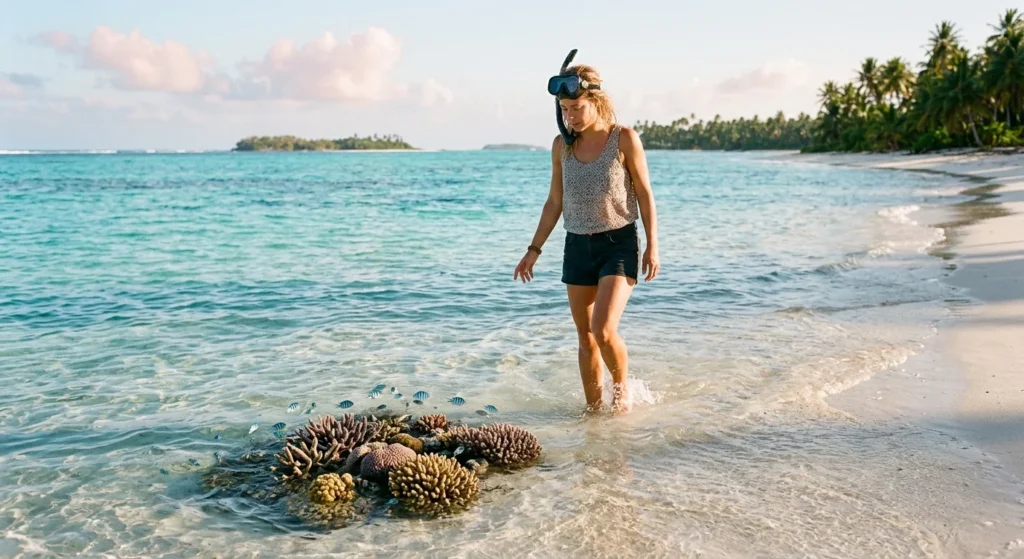
Grace Bay Beach on Providenciales is usually the reason people book Turks and Caicos in the first place. The sand stays fine and pale even at the waterline, and the reef sits close enough to shore that snorkeling does not require a boat trip. Visibility on calm days often runs past 60 feet, which makes it a strong pick for anyone who wants to see coral and reef fish without diving certification.
The island runs more expensive than most of its neighbors, largely because most of the accommodation is upscale resorts rather than budget guesthouses. Travelers who want the same water quality for less often look at nearby islands in the chain, like North Caicos, instead.
Aruba for Reliable Sunshine and Easy Travel
Aruba sits outside the main hurricane belt, so rain and storm risk stay low almost all year. That consistency is a real draw for anyone booking months in advance and wanting to avoid a last-minute weather gamble. The island also runs on steady trade winds, which keep the heat from feeling oppressive even in the middle of summer.
Palm Beach and Eagle Beach cover most of the resort strip, and both offer calm, shallow water that works for families and weaker swimmers. English is spoken widely alongside Dutch and Papiamento, and the airport handles direct flights from several major U.S. cities, which cuts down on layovers.
St. Lucia for Dramatic Scenery and Honeymoons
St. Lucia’s twin volcanic peaks, the Pitons, give the island a skyline that most flat Caribbean beaches cannot match. Resorts built into the hillsides around Soufriere take advantage of that view, and several sit right at the base of the peaks themselves. That scenery, combined with a strong run of adults-only resorts, is why the island shows up so often on honeymoon shortlists.

Beyond the coast, St. Lucia has volcanic mud baths, rainforest zipline courses, and a drive-in volcano near Soufriere that visitors can walk right up to. The terrain is hillier than islands like Aruba or Barbados, so renting a car means dealing with narrow, winding roads.
Puerto Rico for Culture, History, and Convenience
Puerto Rico is a U.S. territory, which means no passport is required for U.S. travelers and cell phone plans work without a separate roaming plan. Old San Juan adds a layer that pure beach islands do not offer, with cobblestone streets, colonial forts, and centuries-old architecture packed into a walkable few blocks. El Morro, the fortress guarding the harbor entrance, is one of the better-preserved Spanish military sites in the region.
The island also covers more ground than most Caribbean destinations, from the bioluminescent bay in Vieques to the rainforest trails of El Yunque. That range makes it a strong fit for travelers who want to mix beach time with sightseeing rather than staying at one resort for the whole trip.
Dominica for Hiking and Untouched Nature
Dominica skips the resort-heavy development found on islands like Aruba or Turks and Caicos, and that is largely the point for the travelers who go there. Much of the island is covered in rainforest, with waterfalls, hot springs, and the Boiling Lake, a flooded fumarole that ranks among the largest of its kind in the world. The Waitukubuli National Trail runs the length of the island and gives serious hikers a multi-day route to work through.
Beaches here tend to have darker, volcanic sand rather than the white sand found elsewhere in the region, which is worth knowing if that is the main draw of a trip. Diving and whale watching are strong alternatives, since the waters off Dominica are deep enough that sperm whales pass through for much of the year.
Barbados for Food, Rum, and Nightlife
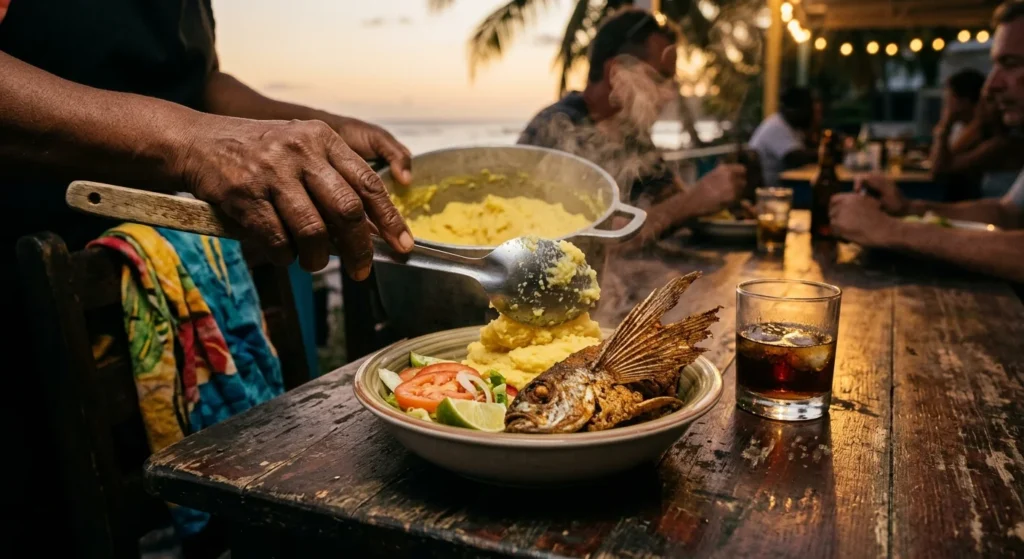
Barbados has a claim to being the birthplace of rum, and Mount Gay, one of the oldest rum distilleries still operating, runs tours near Bridgetown. The food scene leans on fresh seafood, with flying fish and cou-cou standing out as the closest thing the island has to a national dish. Friday nights at Oistins Fish Fry turn into an informal street party built around grilled fish and local music.
The south coast, particularly around St. Lawrence Gap, carries most of the island’s nightlife, with a run of bars and clubs within walking distance of each other. That makes Barbados a stronger fit for travelers who want an evening scene alongside their beach days, rather than an island that shuts down after dinner.
Curaçao for Diving and Colorful Architecture
Curaçao’s capital, Willemstad, is known for the row of pastel Dutch colonial buildings lining the Handelskade waterfront, a view that shows up in most photos of the island. The Queen Emma Bridge, a floating pontoon bridge, swings open regularly to let ships through the harbor. Like Aruba, Curacao sits south of the hurricane belt, which keeps weather disruptions rare.
Divers tend to rate Curacao highly because much of the coastline offers shore diving, meaning reefs can be reached by walking straight in from the beach rather than booking a boat. Visibility often exceeds 100 feet, and the reefs stay in relatively good condition compared to more heavily trafficked dive sites elsewhere in the Caribbean.
How to Choose the Right Island for Your Trip
Start with the activity that matters most, since that narrows the list faster than comparing general reputations. Divers and snorkelers should lean toward Curaçao or Turks and Caicos, hikers toward Dominica, and travelers chasing nightlife and food toward Barbados. Couples looking for scenery and privacy tend to land on St. Lucia.
Budget and flight access matter just as much as the island itself. Puerto Rico is usually the cheapest to reach from the U.S. mainland and skips the passport requirement, while islands like Turks and Caicos and St. Lucia run higher on both flights and lodging.
Best Time to Visit the Caribbean
The dry season, from mid-December through April, is the most reliable stretch for sunny weather across nearly all of these islands. It is also the most expensive and crowded, since it overlaps with U.S. winter and the December holidays. Booking flights and resorts several months ahead is standard for this window.
June through November is hurricane season, and while a storm hitting any single island on any given week is still unlikely, the risk is not zero. Aruba and Curaçao carry the lowest storm risk of the group during this stretch, which is part of why they stay popular for late-summer bookings even as prices drop elsewhere in the region.