
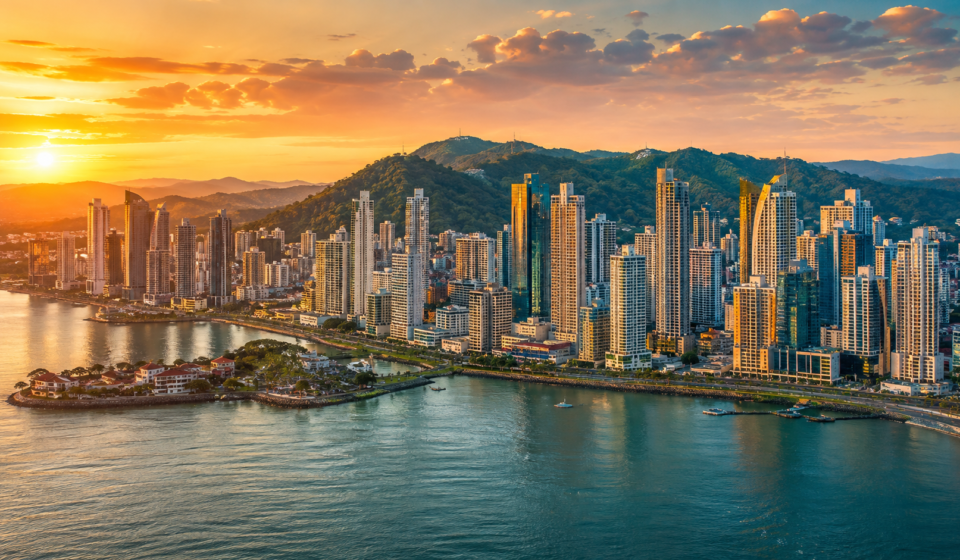
The best time to visit Panama is during the dry season, from mid-December through mid-April. Rainfall drops sharply, humidity eases, and the country’s beaches, rainforests, and canal tours become far more accessible. That said, “best” depends heavily on what you want out of the trip. A surfer chasing Pacific swells wants different conditions than someone hoping to see the canal locks without a downpour, and a budget traveler will find the rainy season offers real advantages the dry season doesn’t.
Panama sits close to the equator, so temperatures stay warm year-round, typically between 75 and 90 degrees Fahrenheit at sea level. What actually changes through the year isn’t heat; it’s rain. Understanding that distinction is the key to picking your travel window. Panama’s dry winter aligns with optimal conditions for things to do in Belize. As a gateway between regions, Panama connects seamlessly into a broader Chile travel guide.
Panama’s Two Seasons Explained
Panama doesn’t have four seasons in the way travelers from the US or Europe are used to. It has two: dry season and rainy season, and they shape nearly every travel decision you’ll make here.
1. Dry Season (Mid-December to Mid-April)
This stretch is Panama’s high season for a reason. Skies stay clear for days at a time, trails in places like Boquete and the Darién are actually walkable, and boat trips out to the San Blas Islands run with far fewer cancellations. Humidity is noticeably lower than the rest of the year, which matters more than people expect once you’re hiking or standing in direct sun for hours.
The tradeoff is crowding and cost. Flights and hotels in Panama City, Bocas del Toro, and the beach towns along the Pacific coast climb steadily from late December through February, peaking around the Christmas and New Year holidays and again around Panama’s Carnival, which falls in late February or early March depending on the year. Book accommodations at least two months out if you’re traveling during this window, especially for anything near the water.
2. Rainy Season (Mid-April to Early December)
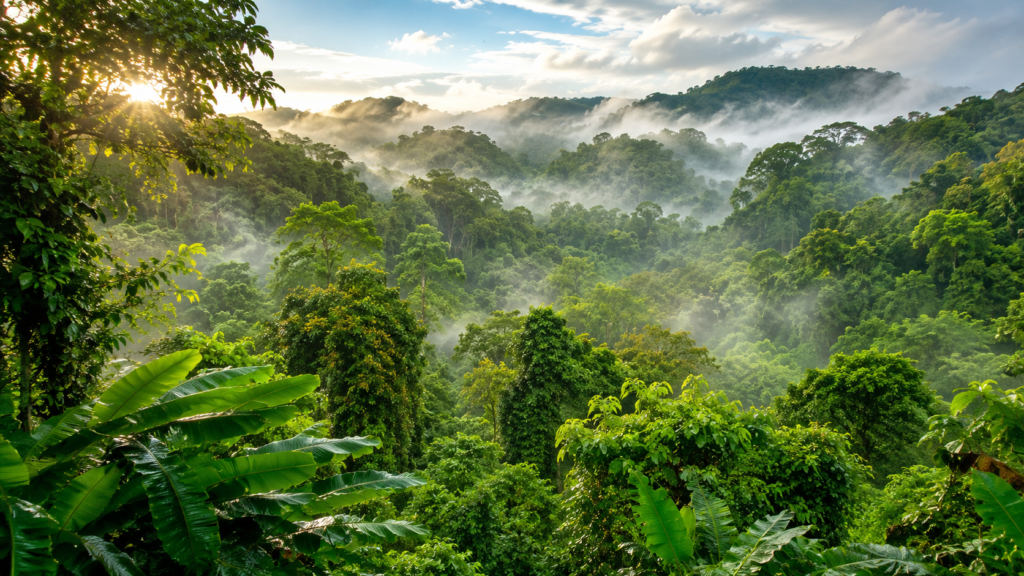
Rainy season sounds like a reason to avoid Panama, but that’s a misread for most itineraries. Rain here tends to arrive in predictable afternoon bursts, often just an hour or two, followed by clear skies. Mornings are frequently dry and sunny even in the wettest months. This is also when the rainforest is at its most alive, rivers run fuller, waterfalls are more dramatic, and the cloud forests around Boquete and El Valle de Antón turn a deeper green.
Prices drop significantly, sometimes by 30 to 40 percent on hotels in tourist-heavy areas. If you’re flexible about an afternoon indoors and want a quieter, cheaper trip, September through November hits a genuine sweet spot before the dry season crowds arrive but after the heaviest rains of June and July.
Best Time to Visit Panama by What You Want to Do
1. For the Panama Canal
The canal operates year-round regardless of weather, so this is one of the few Panama experiences where timing matters less. That said, dry season mornings offer clearer visibility for photos at the Miraflores or Agua Clara locks, and boat transits through the canal are less likely to be affected by scheduling shifts tied to storms. If a full canal transit is the centerpiece of your trip, January through March is the safest bet.
2. For Beaches and Island Hopping
The San Blas Islands, Bocas del Toro, and the Pacific beaches near Playa Venao all reward dry season timing. Boat operators to San Blas frequently cancel or delay trips during heavy rain, and rough seas during the wettest months can make island hopping genuinely unpleasant. February and March offer the calmest water and clearest skies for this kind of trip.
Bocas del Toro is a partial exception. It sits on the Caribbean side, which follows a slightly different rain pattern than the Pacific side, with a secondary drier stretch in September and October alongside the main dry season. If Bocas is your main destination, those shoulder months are worth considering even outside the traditional dry season window.
3. For Surfing
Panama’s Pacific coast, particularly around Santa Catalina and Playa Venao, sees its biggest and most consistent swells during the rainy season, roughly April through October. Surfers chasing serious waves often prefer this window specifically, accepting the afternoon rain as a fair trade for better surf. Beginners are usually better served by the gentler, more predictable conditions of dry season.
4. For Hiking and Wildlife Viewing
Trails in Boquete, Chiriquí, and the Darién region become significantly more difficult and sometimes impassable during heavy rain. Dry season is the clear choice for serious trekking, including hikes up Volcán Barú. For birdwatching specifically, though, many species are more active and visible during the early rainy season months of April and May, when food sources are abundant and migratory birds are still passing through.

Month-by-Month Breakdown
December through February bring the driest, sunniest stretch of the year, alongside the highest prices and heaviest crowds, especially around the holidays. This is peak season for a reason, and it’s the safest choice for travelers who can’t risk rain disrupting a short trip.
March holds onto dry season conditions while crowds thin slightly after Carnival wraps up, making it a strong pick for travelers who want good weather without quite the same price tag as January.
April is a transition month. Early April often still feels like dry season, while the back half starts to see more regular afternoon showers as rainy season sets in.
May through July mark the start of the wetter months, with July frequently bringing a short dry spell locals call the “veranillo,” or little summer, that can offer a surprising window of clearer weather mid-rainy season.
August and September are among the wettest months, with the Caribbean side seeing somewhat less rain than the Pacific side during this stretch.
October is typically the rainiest month nationwide, and it’s worth avoiding if your itinerary depends heavily on outdoor activities or boat travel.
November transitions back toward dry conditions, with rainfall tapering noticeably by the end of the month, making it an underrated time to visit before December’s crowds and prices arrive.
Budget Considerations by Season
Traveling in the rainy season, particularly September, October, and November, excluding the busiest weeks, can cut accommodation and tour costs substantially compared to dry season rates. Flights from the US follow a similar pattern, with fares to Panama City often 20 to 30 percent cheaper outside the December through April window. If your itinerary is flexible and you don’t mind planning around afternoon showers, shoulder season delivers real savings without sacrificing much in terms of what you can actually do and see.
Frequently Asked Questions
1. What is the cheapest month to visit Panama?
October and September tend to bring the lowest prices on flights and hotels, though they also bring the heaviest rain, so this tradeoff works best for travelers with flexible plans.
2. Is Panama hot all year round?
Yes. Temperatures stay in a fairly narrow range year-round, typically between 75 and 90 degrees Fahrenheit at lower elevations. Highland areas like Boquete run noticeably cooler, sometimes dropping into the 60s at night.
3. How many days do you need in Panama?
Seven to ten days is enough to cover Panama City, the canal, and one additional region such as Bocas del Toro or Boquete without rushing. Shorter trips of four to five days work well if you’re focused only on Panama City and a single day trip.
4. Does it rain every day in the rainy season?
No. Rain during Panama’s rainy season typically falls in short afternoon bursts, often lasting one to two hours, with mornings frequently staying clear and sunny even in the wettest months.