Chasing the aurora sounds romantic until you spend three nights under cloud cover in the wrong location. The truth is that not every spot inside the “aurora oval” gives you a fair shot. Latitude matters, but so does light pollution, terrain, and how many clear nights a region gets in winter. After comparing the destinations serious aurora chasers actually return to, a handful of places consistently outperform the rest. This guide breaks down where to go, why each location works, and how to avoid the mistakes that send people home without a single photo.
What Makes a Location Good for Aurora Viewing
Three factors decide whether a destination is worth the flight: geomagnetic latitude, cloud cover statistics, and access to dark sky away from artificial light. Geomagnetic latitude is not the same as regular latitude. Some cities sit further north on a map but fall outside the auroral oval because of how the magnetic field is tilted. Cloud cover is the factor most travelers ignore, and it is often the reason a trip fails. A location can have perfect solar activity and still produce nothing if the sky stays overcast for a week. Finally, even a strong aurora display is hard to see from a city center, so proximity to dark, low-humidity terrain matters as much as latitude.
Winter travelers often pair aurora trips with alpine skiing in the best places to visit in Switzerland. Dark sky reserves in the Highlands make it one of the best places to visit in Scotland for night photography.
Best Places to See Northern Lights in Norway
1. Tromsø
Tromsø is the most reliable single city for aurora viewing in Europe. It sits directly under the auroral oval, and the surrounding fjords create pockets of clear sky even when the coast is cloudy. Guided tours here often chase weather in real time, driving toward the Finnish or Swedish border if local conditions turn poor. This flexibility is a major advantage over destinations where tour operators are stuck in one valley.
2. The Lofoten Islands
Lofoten trades slightly lower aurora frequency for dramatic scenery. The jagged peaks and coastal water create reflection shots that are difficult to get anywhere else. Visitors who prioritize photography over raw sighting odds often choose Lofoten over Tromsø for this reason.
Best Places to See Northern Lights in Iceland
Iceland offers something few other destinations can: a compact country where you can combine aurora chasing with glacier hikes, hot springs, and waterfalls in the same week. Reykjavik itself has too much light pollution for good viewing, but a thirty-minute drive puts you in genuine darkness. The Thingvellir National Park area and the south coast near Vík are two of the most consistent spots, partly because the flat terrain gives an unobstructed horizon. Iceland’s downside is unpredictable weather. Storms roll in fast, and cloud cover can shift a clear forecast into a washout within hours, so building in extra nights is worth the cost.
Best Places to See Northern Lights in Finland
1. Finnish Lapland (Rovaniemi and Saariselkä)
Finnish Lapland leans into the aurora as a tourism identity, and the infrastructure shows it. Glass igloo hotels around Saariselkä let you watch the sky from bed, which matters when temperatures drop below minus twenty. Rovaniemi is more accessible by flight and works well as a base, though you will need to drive further from the town center to escape light pollution.
Best Places to See Northern Lights in Sweden
1. Abisko National Park
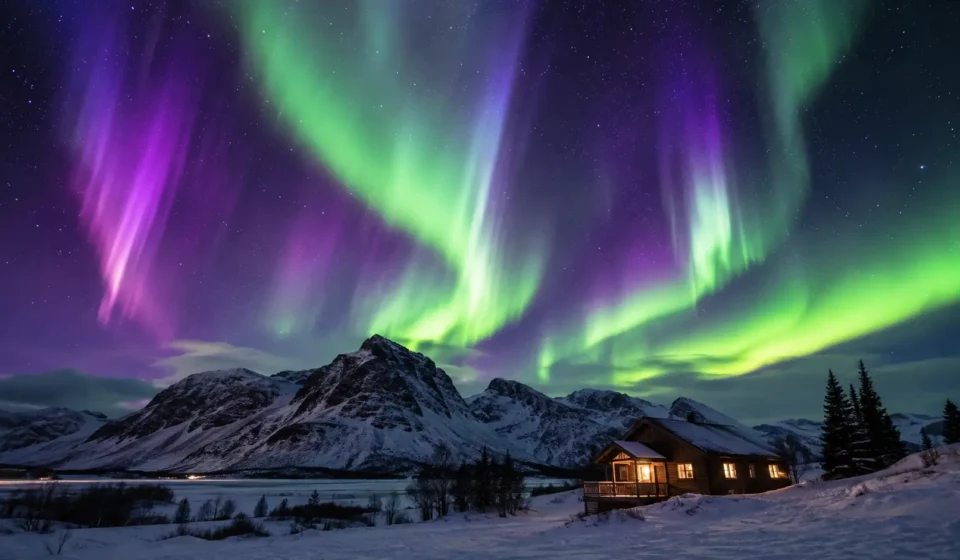
Abisko has a genuine meteorological edge over its neighbors. The surrounding mountains create a microclimate often called the “blue hole,” where clear skies persist even when the rest of the region is clouded over. The Aurora Sky Station, a chairlift-accessed viewing platform above the treeline, was built specifically to take advantage of this. Serious aurora photographers frequently rank Abisko above more famous destinations for this reason alone.
Best Places to See Northern Lights in Canada
1. Yellowknife, Northwest Territories
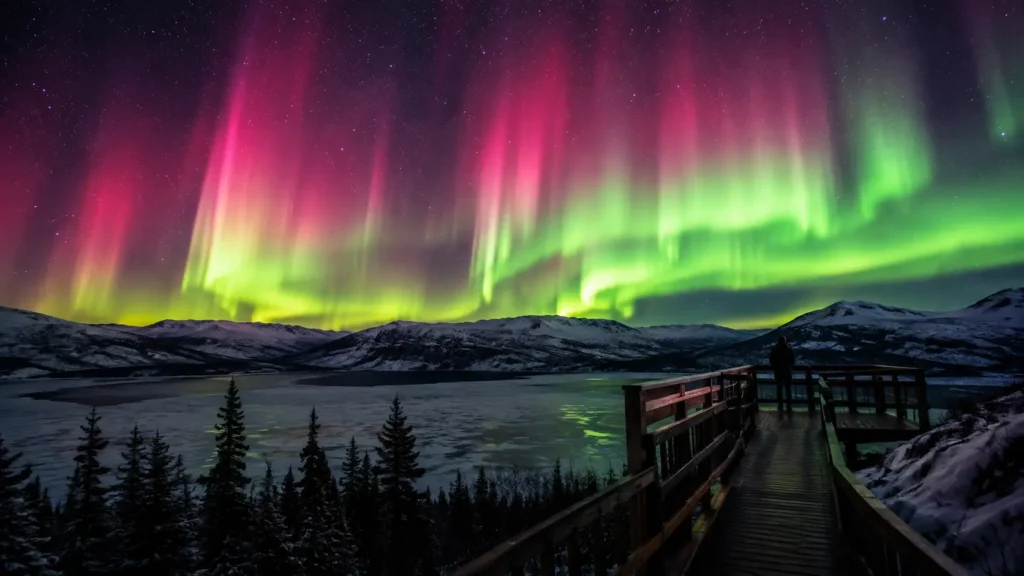
Yellowknife has one of the highest aurora sighting rates of any city in the world, largely because of its inland location and consistently dry, clear winter air. Unlike coastal destinations, Yellowknife does not deal with the same volume of storm systems, which makes multi-night trips far more predictable. Several operators here run heated viewing domes, which solve the biggest practical problem of aurora chasing: standing outside for hours in extreme cold.
2. Churchill, Manitoba
Churchill is better known for polar bears, but its aurora season overlaps with bear-watching season in a way few destinations offer. This makes it appealing for travelers who want two bucket-list experiences on a single trip, even though its aurora frequency is slightly lower than Yellowknife’s.
Best Places to See Northern Lights in Alaska
1. Fairbanks
Fairbanks sits almost directly beneath the auroral oval and has a dry, continental climate that produces far more clear nights than coastal Alaska. It is also one of the few aurora destinations with strong flight connectivity from major US cities, which cuts travel time significantly compared to flying into northern Scandinavia or Canada. Chena Hot Springs, about an hour outside the city, combines geothermal pools with dark-sky viewing, letting you watch the display while soaking in warm water instead of standing in freezing air.
Best Places to See Northern Lights in Greenland
Greenland is the least accessible destination on this list, but it rewards the effort. Towns like Ilulissat sit far from any significant light pollution, and the combination of icebergs, dark water, and aurora reflections produces some of the most striking photography available anywhere. The tradeoff is cost and logistics. Flights are limited, accommodation is expensive, and infrastructure for tourists is thinner than in Norway or Iceland. This destination suits travelers who have already seen the aurora elsewhere and want a more remote, less crowded experience.
When to Go: Best Time of Year and Time of Night
Aurora season generally runs from late August through early April across the Northern Hemisphere. The core months, December through February, offer the longest hours of darkness but also the harshest cold and highest chance of storm-driven cloud cover. September and March are often underrated. Nights are still long enough for good viewing, temperatures are more tolerable, and equinox periods historically correlate with increased geomagnetic activity. Within a single night, the highest probability window sits between 10 p.m. and 2 a.m. local time, though strong displays can appear earlier or later depending on solar activity.
How to Improve Your Chances of Seeing the Aurora
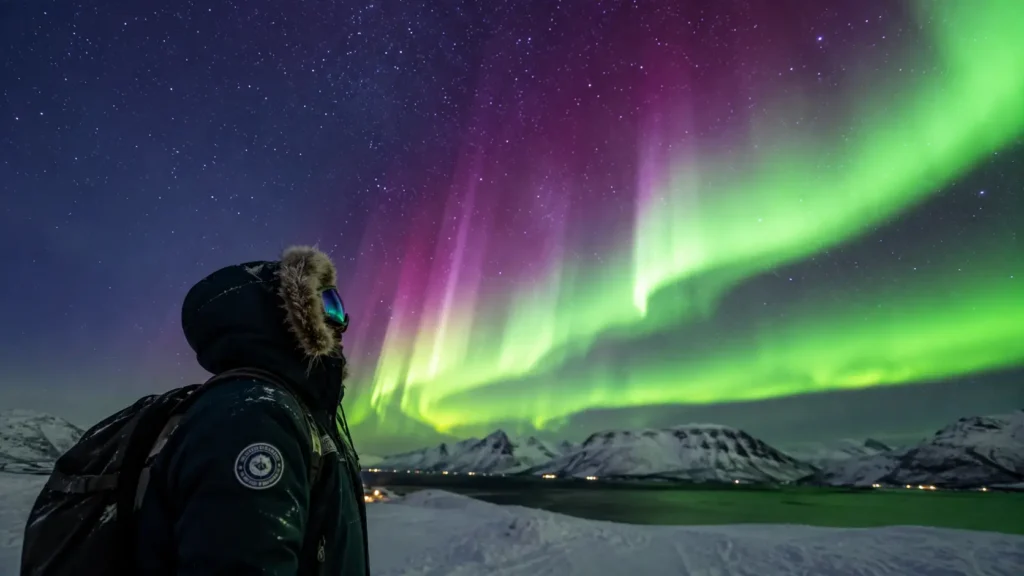
Booking a longer trip matters more than almost any other decision you make. A three-night stay gives you roughly three separate chances at clear skies, while a single overnight stop leaves no room for a cloudy forecast. Checking the KP index is useful but overrated on its own. A high KP number means nothing if the sky above you is covered in cloud, so cross-reference space weather forecasts with local cloud cover apps before deciding where to drive that night. Getting away from artificial light is non-negotiable. Even a well-lit hotel parking lot can wash out a moderate aurora display that would look spectacular from a genuinely dark field ten minutes away.
Common Mistakes That Ruin an Aurora Trip
The most frequent mistake is booking only one or two nights and treating the trip like a guaranteed sighting rather than a probability game. The second is choosing a destination based on latitude alone without checking regional cloud cover data, which explains why some travelers strike out in Iceland while others succeed easily in Yellowknife during the same week. The third mistake is underestimating cold-weather gear. Standing still outside for two hours at minus fifteen degrees requires layering that most warm-climate travelers do not own, and discomfort often cuts viewing sessions short right before the display peaks.