The best places to visit in Japan for a first trip are Tokyo, Kyoto, and Osaka, with day trips to Nara, Nikko, or Miyajima filling the gaps between them. Most first-timers spend 10 to 14 days moving west along that line: Tokyo first, then Kyoto, then Osaka, with Mount Fuji or Hakone slotted in the middle. This guide ranks the best places to visit in Japan by how they fit a real trip, not just by fame. Every stop below gets a day count, a straight answer on who it suits, and an honest note on when to skip it. Where we have a deeper guide, you get pointed to it: our 9-day Japan itinerary for day-by-day planning, our roundup of the best museums in Tokyo for rainy days, and our guide to bioluminescence in Japan for a spring-only natural show most first-timers never hear about.
The Best Places To Visit In Japan, In Trip Order
Japan’s classic route runs west from Tokyo to Osaka, and this guide follows that same direction. Read the sections in order and you are reading a trip taking shape. Short on time? The “skip it if” notes tell you what to cut first.
Tokyo: Start Here For Energy And Scale
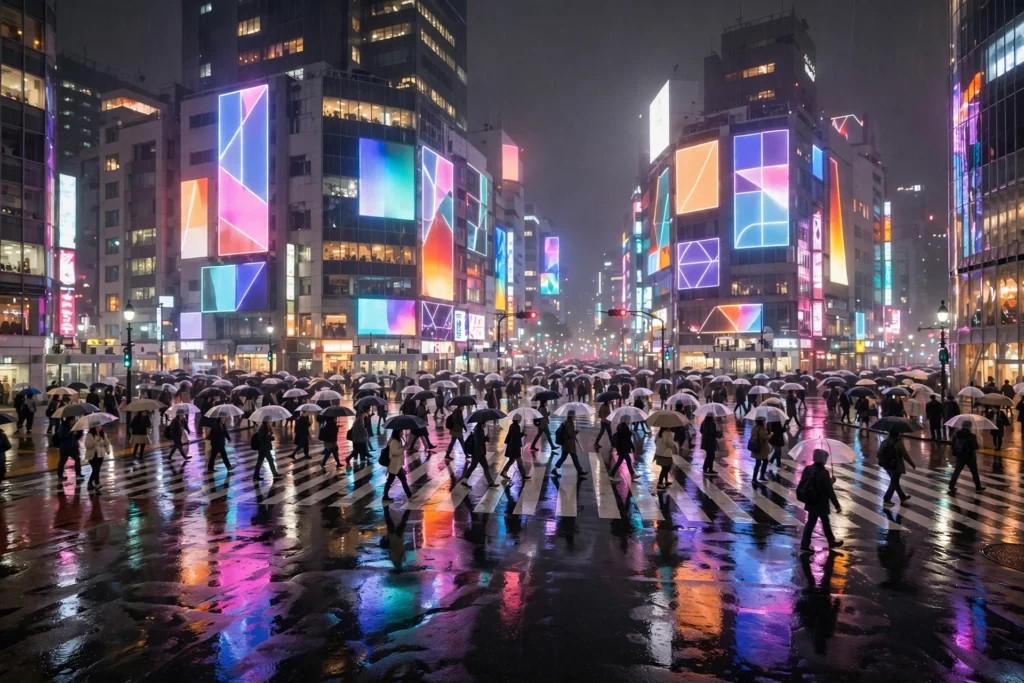
Plan 3 to 5 days. Tokyo earns its place at the top of the best places to visit in Japan because it packs a week of variety into one transit system. Neon and crowds live in Shibuya and Shinjuku. Old Tokyo survives in Asakusa, around Senso-ji Temple and the Nakamise shopping street. Harajuku pairs the forested calm of Meiji Shrine with some of the loudest street fashion on earth. Eat with intent here. Start at the Tsukiji Outer Market for sushi breakfast, work through ramen and yakitori in Shinjuku’s Omoide Yokocho, and try a department-store basement food hall at least once. For pop culture, Akihabara covers anime and electronics, while teamLab Planets delivers the immersive digital-art experience everyone posts about. Book teamLab ahead. Same-day slots often sell out. Worth it if you want maximum variety per day. Skip extra Tokyo days if your trip is under a week. Two focused days beat four scattered ones. Rainy-day backup: Tokyo’s museums are genuinely world class. Our list of the best museums in Tokyo covers the ones worth your time, from the national museum in Ueno to the smaller art spots most visitors walk past.
Day Trips From Tokyo
Kamakura sits about an hour south and was Japan’s political capital from 1185 to 1333. Its Great Buddha statue and hillside temples make an easy half day. Nikko, roughly two hours north, pairs the elaborately carved Toshogu Shrine with mountain scenery and waterfalls that feel far from the city. Pick one. Doing both in a short trip just burns train hours.
Mount Fuji And Hakone: The Classic Detour
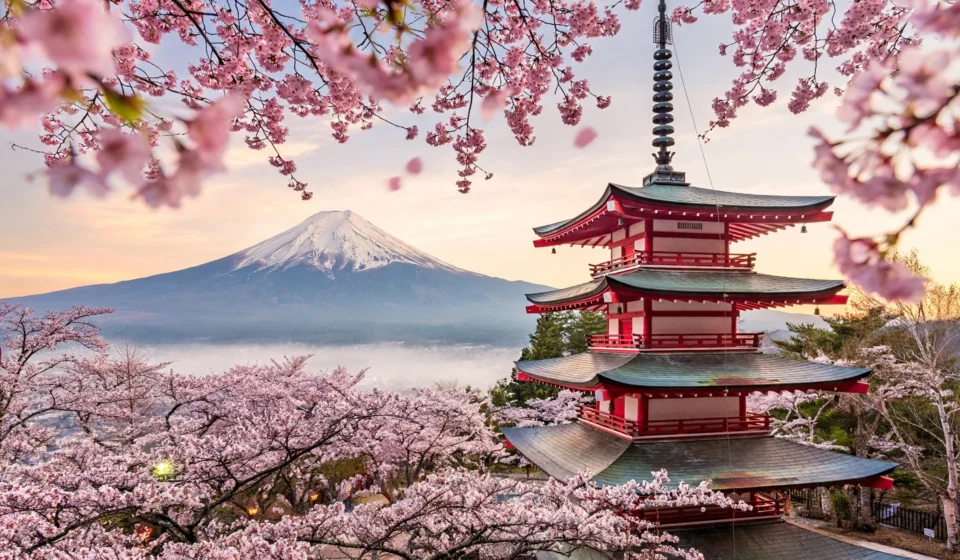
Plan 1 to 2 days, usually between Tokyo and Kyoto. Hakone is the easiest way to see Mount Fuji without climbing it. The Hakone Ropeway and a cruise across Lake Ashi both frame the mountain on clear days, and the area’s onsen hot springs make it a natural slowdown point after Tokyo’s pace. Two honest notes. First, Fuji is famously shy. Cloud cover hides the peak more often than not, so an overnight stay doubles your chances versus a rushed day trip. Second, the Fuji Five Lakes area around Lake Kawaguchi gives you the postcard views, including the Chureito Pagoda shot, if Hakone’s weather fails you. The mountain is a UNESCO World Heritage site, listed for its cultural significance as much as its shape. Worth it if seeing Fuji matters to you, which for most first-timers it does. Skip it if your trip is 7 days or under and you would rather give those days to Kyoto.
Kyoto: A Thousand Years Of Temples
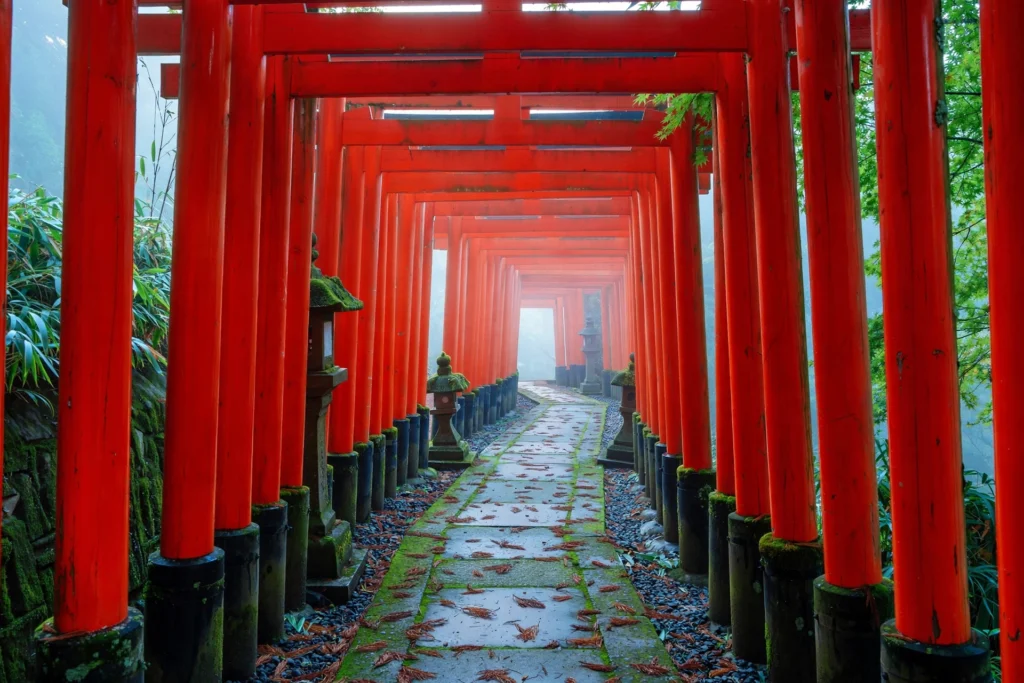
Plan 3 to 4 days. Kyoto was the imperial capital for over a thousand years, and because it escaped the worst of WWII bombing, it kept historic streets and temples that Tokyo and Osaka lost. Fushimi Inari’s thousands of vermilion torii gates and Kinkaku-ji, the Golden Pavilion, are the two sights on every Kyoto photo. Both deserve an early start. Fushimi Inari is free and open around the clock, and before 8am the gates are close to empty. Beyond the icons, walk the Arashiyama bamboo grove early, then spend the real time in the surrounding streets, which have more character than the grove itself. In Gion, stroll Hanamikoji Street in the early evening for a chance to spot a maiko heading between teahouses. Kiyomizu-dera’s wooden terrace gives the classic city view. For one splurge dinner, book kaiseki, the multi-course traditional meal Kyoto does best. Kyoto is also the most crowded stop on this list, especially in cherry-blossom season and November foliage. Early mornings are not a suggestion here. They are the whole strategy. Worth it if traditional Japan is the reason you are coming. There is no substitute. Skip nothing here, but on a tight trip, cut Osaka days before Kyoto days.
Osaka: Come Hungry
Plan 2 to 3 days. Osaka runs louder and friendlier than Kyoto, and it is the city where you eat your way through the trip. Dotonbori’s canal-side stalls serve takoyaki and kushikatsu under enough neon to make the walk part of the meal. Kuromon Market is the calmer daytime version, with fresh seafood stalls and fewer crowds. Osaka Castle’s tower gives a good city view, and Universal Studios Japan fills a full day if you are traveling with kids. Osaka also works as a base. Nara, Kobe, and Himeji are all easy day trips from here, which is why many travelers sleep in Osaka and day-trip out. If you are deciding where to base yourself, our guide on where to stay in Osaka breaks down the best areas for different trip styles. Worth it if food and nightlife rank high for you. Skip a dedicated Osaka stay if your trip is short. It works fine as a day trip from Kyoto, about 15 minutes by Shinkansen.
Nara, Kobe, And Himeji: The Best Kansai Day Trips
Nara is the easiest add-on in Japan. Under an hour from both Kyoto and Osaka by train, it packs Todai-ji Temple, with its giant bronze Buddha, and Nara Park’s free-roaming deer into one half day. The deer bow for rice crackers sold at park stalls. Go in the morning to beat the tour buses. Himeji Castle, about an hour west of Osaka, is the opposite of Osaka Castle. It is original 17th-century construction, nicknamed the White Heron for its white plastered walls, and widely considered Japan’s finest surviving castle. Kobe, between the two, is worth a stop for its harbor views and, yes, the beef. Worth a day split between Nara and Himeji if castles or ancient temples interest you. Skip Kobe unless the beef is a personal mission.
Hiroshima And Miyajima: History And The Floating Torii
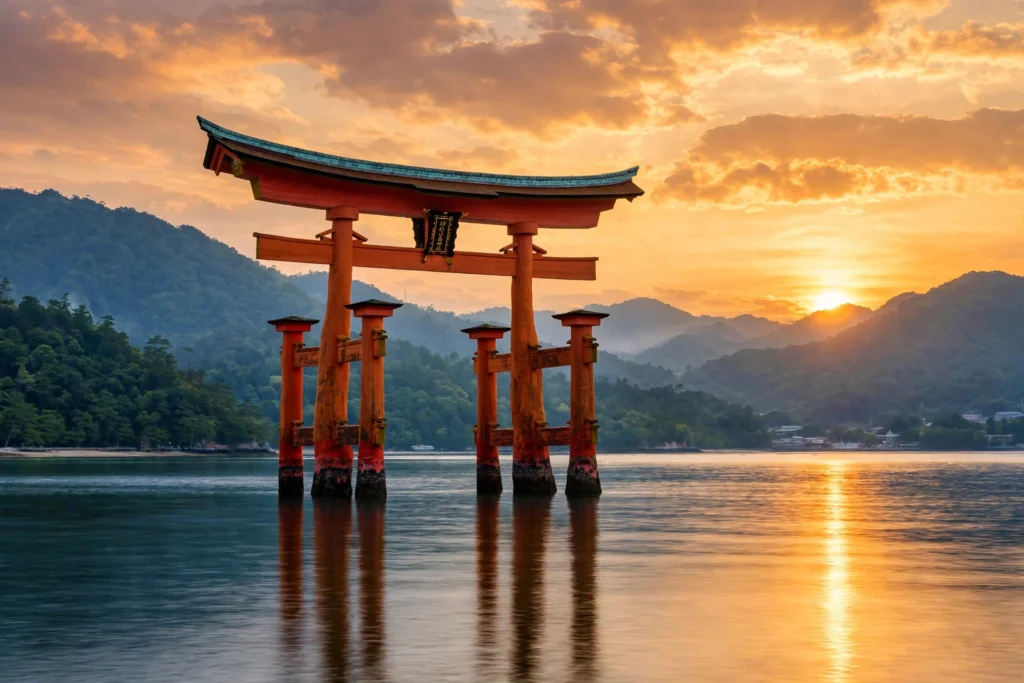
Plan 1 to 2 days, usually as a long day trip from Kyoto or Osaka by Shinkansen. Hiroshima’s Peace Memorial Park and Museum carry obvious weight, and the visit lands harder than most travelers expect. The city itself has moved forward, with a modern downtown and a local specialty worth your lunch: Hiroshima-style okonomiyaki, layered rather than mixed, best eaten at Okonomi-mura’s multi-floor food hall. Miyajima Island is a short ferry ride away. Itsukushima Shrine’s great torii gate appears to float at high tide, so check tide times before you go. An overnight stay gives you the shrine nearly empty in the evening, when the day-trippers leave and the gate is lit. Worth it if you have 10-plus days and an interest in history. Skip it on a 7-day trip. It is the first thing to cut, and cutting it is fine.
Takayama And The Japanese Alps: Japan Slows Down
Plan 2 to 3 days, and treat this as a second-trip stop or a longer first trip. Takayama is a small town in the Japanese Alps with an old town of traditional wooden houses, morning markets selling local produce, and easy access to Shirakawa-go’s thatched-roof farmhouses nearby. The pace here is the point. After a week of cities, it feels like exhaling. It pairs naturally with Kanazawa, a refined castle town with Kenrokuen Garden and the preserved Higashi Chaya teahouse district, or with hiking in Kamikochi if you want mountain trails. Worth it if you have two weeks and want to see beyond the Golden Route. Skip it on a first trip under 10 days. Kyoto and the Alps both deserve unhurried time, and rushing both ruins both.
Hokkaido And Okinawa: Go Only If The Season Fits
These two are the best places to visit in Japan only at the right time of year. Hokkaido, the northern island, is Japan’s winter playground. Niseko gets deep, reliable powder, and the Sapporo Snow Festival in February fills Odori Park with massive snow and ice sculptures. In summer, Furano’s lavender and flower fields flip the island into a completely different trip. Okinawa, the southern island chain, is the mirror image. White-sand beaches, coral reefs for snorkeling and diving, the Churaumi Aquarium, and a distinct Ryukyu culture shaped by centuries as an independent kingdom. It is the warm escape when the mainland is cold. Worth it if your dates line up with the season and you have 12-plus days. Skip both on a standard first trip. They each need flights and at least 3 days, and they steal time from the core route.
Off The Usual Path: Three Picks Most Lists Skip
Toyama Bay’s firefly squid. Every spring, millions of firefly squid rise from the deep off Toyama Bay and turn the shoreline electric blue. Sightseeing boats leave Namerikawa port around 3am from March to May, with April the peak. It is one of the strangest and most beautiful natural shows in the country, and almost no first-timer plans for it. Our full guide to bioluminescence in Japan covers the boats, the season timing, and the firefly squid museum backup plan. Naoshima and the art islands. A cluster of islands in the Seto Inland Sea turned into open-air modern art museums, dotted with Yayoi Kusama pumpkins and Tadao Ando concrete architecture. Reachable as a day trip from Okayama between Osaka and Hiroshima. Worth it for art lovers with a spare day. Fukuoka’s yatai stalls. Japan’s fifth-largest city is famous for open-air food stalls that set up along the river at night, serving ramen and skewers at counter prices. A good final-night stop if you fly out of western Japan.
When To Visit Japan
The best places to visit in Japan shift with the calendar, so match your dates to your priorities.
| Season | What is happening | Best for | Watch out for |
|---|---|---|---|
| Late March to early April | Cherry blossoms; firefly squid season starts in Toyama Bay | First-timers who want the classic Japan | Biggest crowds and highest hotel prices of the year |
| May (after Golden Week) | Mild weather, fresh green | Good weather with thinner crowds | Golden Week, April 29 to May 5, books out the whole country. Avoid it. |
| July to August | Summer festivals; Mt Fuji climbing season | Festival lovers, climbers | Hot and humid; Tokyo and Kyoto regularly hit the 90s Fahrenheit |
| November | Autumn foliage | Many repeat visitors’ favorite season | Peak foliage weeks in Kyoto still draw big crowds |
| December to February | Ski season in Hokkaido and Nagano; snow-dusted temples; winter illuminations | Skiers, photographers, budget travelers | Short days; some mountain transport runs reduced schedules |
Spring and autumn are the headline seasons, but the shoulder weeks around them give you most of the beauty with fewer crowds.
Getting Around Japan
The Shinkansen bullet train network connects Tokyo, Kyoto, Osaka, and Hiroshima, and it is the backbone of every first trip. Within cities, Tokyo and Osaka run extensive subway systems. An IC card like Suica or Pasmo works across trains, subways, and convenience store purchases nationwide, which saves endless ticket-machine time. The Japan Rail Pass question comes up on every trip. Since the pass price rose sharply in October 2023, it often costs more than individual Shinkansen tickets for a standard Tokyo-Kyoto-Osaka loop. Run your exact route through the official Japan Rail Pass site fare calculator before buying. A pass still makes sense if you are adding extra long-distance legs like Hiroshima or Hokkaido. And carry more cash than feels necessary. Plenty of ramen counters, small restaurants, and rural shops still do not take cards. For official trip-planning resources, the Japan National Tourism Organization publishes seasonal guides and regional transport details in English. Japan is one of the safest countries for visitors; still, check the U.S. State Department’s Japan travel page before you fly for entry requirements and current advisories.
Building Your Japan Itinerary
There is no single right way to see Japan, but a first trip works best anchored on Tokyo and Kyoto, with Osaka and one or two day trips around them. A 7-day trip means Tokyo and Kyoto only, with maybe one day trip. Ten days adds Osaka and Nara. Two weeks opens up Hiroshima and Miyajima, or the Fuji and Hakone slowdown, or a first taste of the Alps. If you have more time, add a quieter stop rather than a fourth big city. Japan rewards slowing down as much as it rewards famous sights. Fly open-jaw when you can, into Tokyo and out of Kansai Airport near Osaka, to avoid backtracking on your last day. It is often close to the same price as a round trip. For a worked example with day-by-day detail, our 9-day Japan itinerary turns this shortlist into an actual plan, with the JR Pass math and booking-ahead checklist included. The best places to visit in Japan will still be there on your second trip. Pick the ones that fit this trip’s length and season, give Kyoto your early mornings, and leave room in each day for whatever you find while walking around. That is usually the part you remember best.