
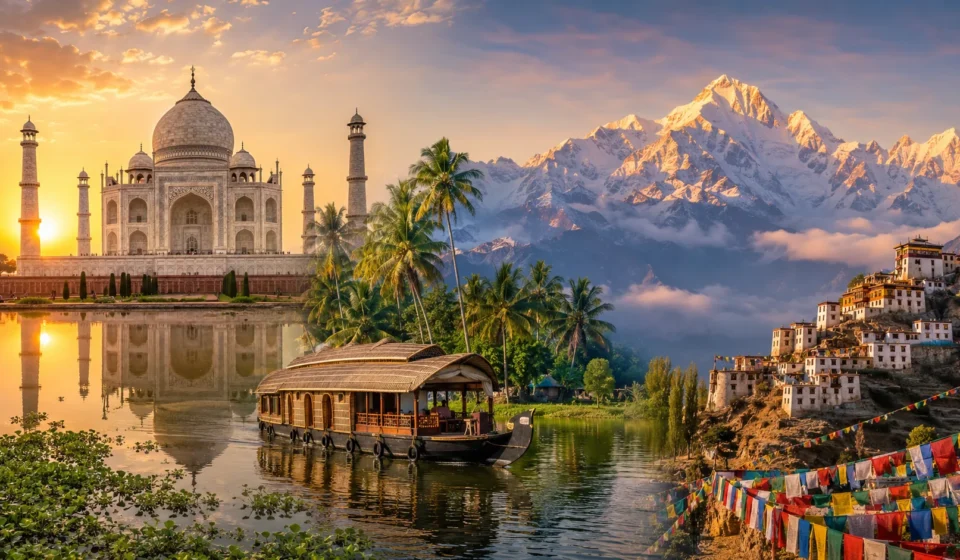
India is too large and too diverse to see in a single trip. The snow-capped peaks of the Himalayas, the backwaters of Kerala, the forts of Rajasthan, and the beaches of Andaman all belong to the same country, yet they feel like different worlds. This guide does not just list famous spots. It explains which destination suits which kind of traveler, when to visit each region, and the common planning mistakes first-time visitors make.
Best Time to Visit India
Weather in India changes drastically from state to state, so there is no single answer to “when is the best time to visit India.” North India, including Delhi, Agra and Rajasthan, is most pleasant from October to March. Hill regions like Himachal Pradesh and Uttarakhand get crowded during the summer break from April to June, while December to February suits travelers chasing snow. Iconic monuments like the Taj Mahal define what qualifies a monument as a best tourist attraction. Tiger sanctuaries place India among the world’s best places to see wildlife.
South India, especially Kerala and Tamil Nadu, is best visited between November and February, since summers there stay hot year-round. The same window works well for Goa, and it is worth avoiding the sea during the monsoon months from June to September, when the water turns rough and unsafe for swimming. If you want a monsoon experience anyway, hill towns like Munnar or Coorg turn lush and green in July and August, though trekking plans need extra caution during that period.
Top Places to Visit in North India
1. Agra and the Taj Mahal
The Taj Mahal remains India’s most recognized monument, and watching it at sunrise offers a very different experience from a midday visit, since the marble changes color as the light shifts and the crowds are far thinner. Agra Fort and Fatehpur Sikri sit within 40 kilometers of the Taj, so all three can be covered comfortably in a single trip.
2. The Forts and Cities of Rajasthan
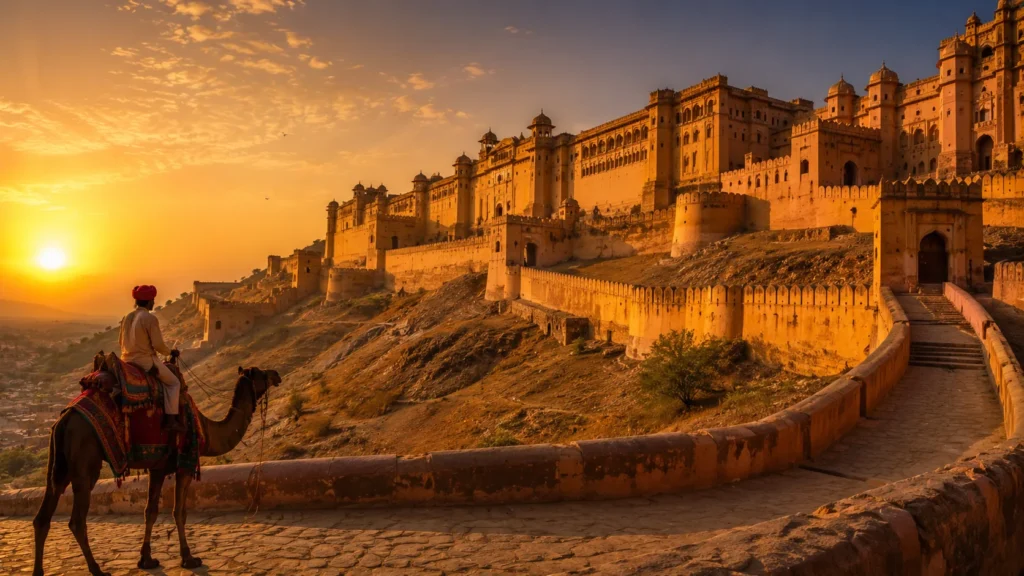
Jaipur, Jodhpur, Udaipur and Jaisalmer together make Rajasthan the most colorful state in India. Jaipur’s Hawa Mahal and Amer Fort showcase the region’s royal past, while Udaipur’s lakes have earned it the nickname “City of Lakes.” Jaisalmer suits travelers who want a camel safari and a night of camping on the dunes of the Thar Desert. If time is limited, Jaipur and Udaipur are the more convenient choices, since both cities have well-developed tourist infrastructure for first-time visitors.
3. Himachal Pradesh and Uttarakhand
Manali and Shimla remain popular with honeymooners and families, but travelers who want to avoid crowds should consider Spiti Valley or Kasol instead. In Uttarakhand, Rishikesh and Haridwar blend spirituality with adventure tourism, offering river rafting and bungee jumping alongside the evening Ganga Aarti on the riverbanks.
Best Places to Visit in South India
1. The Backwaters of Kerala
Kerala earns its nickname “God’s Own Country” for good reason. Spending a night on a houseboat in Alleppey or Kumarakom is often the most memorable part of any Kerala trip. The tea gardens of Munnar and the wildlife sanctuary at Thekkady make the state a strong pick for nature lovers, and Kerala is also India’s leading destination for anyone interested in authentic Ayurvedic treatments.
2. Hampi and Karnataka’s Heritage
The ruined city of Hampi offers a glimpse into the grandeur of the Vijayanagara Empire, and its boulder-strewn landscape makes it a favorite for both photography and bouldering. Coorg, often called the “Scotland of India,” is known for its coffee plantations and cool climate year-round.
3. The Temple Towns of Tamil Nadu
Madurai’s Meenakshi Temple and Thanjavur’s Brihadeeswarar Temple stand among the finest examples of Dravidian architecture in the country. For travelers interested in history and temple architecture, Tamil Nadu’s temple circuit offers an experience as rich as any fort trail in North India.
Goa and Coastal India
Goa is known for beaches and nightlife, but its Portuguese heritage deserves equal attention. North Goa’s Baga and Calangute beaches attract travelers looking for nightlife, while South Goa’s Palolem and Agonda suit those who prefer a quieter shoreline. Old Goa’s church district shows a completely different side of the state for history-focused visitors.
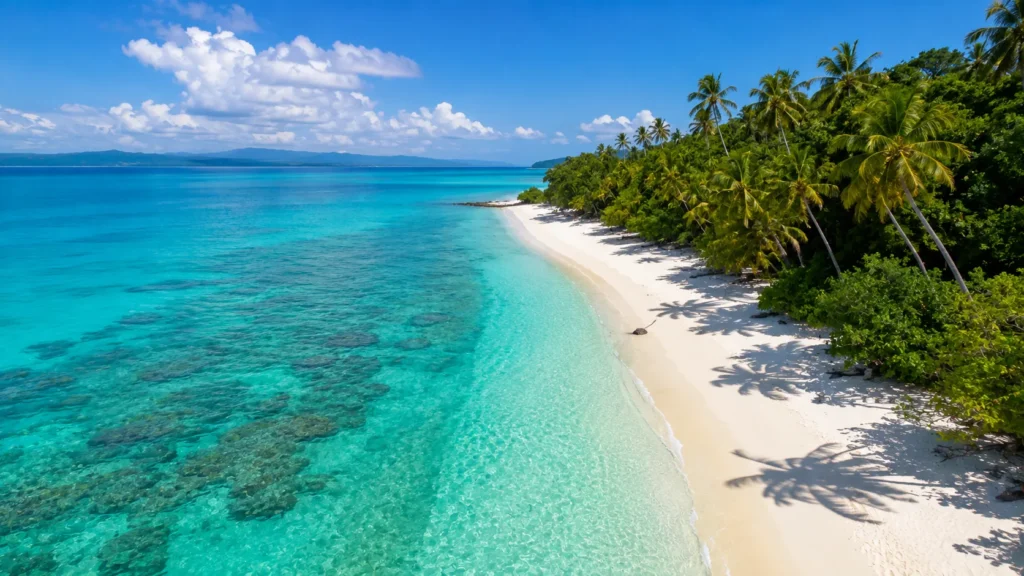
For travelers who want cleaner, quieter beaches beyond Goa, the Andaman and Nicobar Islands are worth the extra flight. Radhanagar Beach on Havelock Island is regularly ranked among Asia’s cleanest beaches, and the islands offer some of the best scuba diving available anywhere in India.
Northeast India, an Underrated Region
States like Meghalaya, Sikkim, and Arunachal Pradesh still see far fewer tourists than the rest of the country, which keeps their natural beauty feeling untouched. Meghalaya’s living root bridges are found nowhere else in the world. Sikkim’s Gangtok and Yuksom offer views of Kanchenjunga alongside some of India’s best trekking routes. Travelers who want to avoid crowds and see a completely different side of India should treat the northeast as one of the country’s most underrated options.
Spiritual Destinations Worth the Trip
Varanasi, built along the banks of the Ganges, is one of the oldest continuously inhabited cities in the world, and the evening Ganga Aarti followed by a morning boat ride offers two very different experiences of the same river. Rishikesh has become globally known as a center for yoga and meditation. Amritsar’s Golden Temple welcomes travelers of every faith, and the langar meal served there remains one of the best examples of India’s community spirit.
Travel Tips for First-Time Visitors to India
First-time visitors should start with well-connected cities, and the Delhi, Agra, Jaipur Golden Triangle remains the easiest route to plan. It is well served by both rail and road, and the tourism infrastructure here is the most developed in the country.
On a budget, backpacking through India can be remarkably affordable, especially when traveling by train and eating local food. At the other end, heritage luxury hotels, particularly in Rajasthan and Kerala, offer experiences that match international five-star standards.
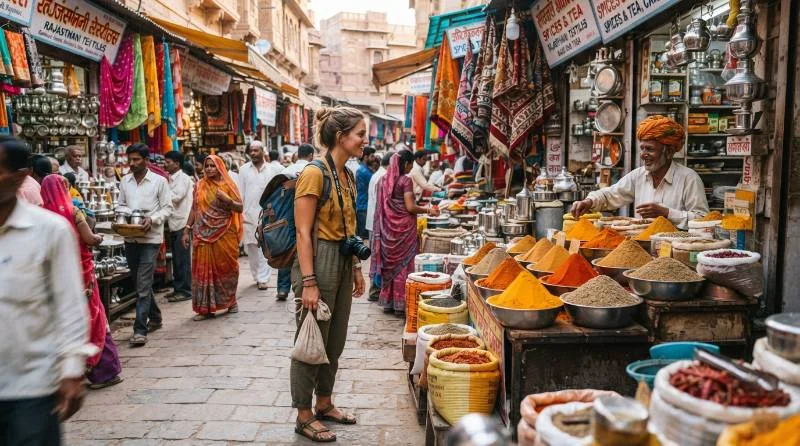
One common mistake new travelers make is trying to cover too many states in a single trip. Every Indian state feels like a distinct country in itself, so it usually pays off to explore one region properly rather than rushing between several destinations.
How to Choose Your Own India Trip
The real question when planning a trip to India is not “which place is the best,” but what kind of experience you are looking for. History and architecture lovers should head to Rajasthan and Tamil Nadu. Those seeking nature and quiet will find it in Kerala and the northeast. Adventure seekers do best in Himachal Pradesh and Uttarakhand, while beaches and nightlife point straight to Goa and Andaman. India’s beauty lies in this variety, and that is exactly why one trip rarely feels like enough.