Belize packs an outsized range of adventures into one of Central America’s smallest countries. In a week you can dive a reef, climb a Mayan pyramid, and float through a jungle cave on an inner tube. Figuring out which things to do in Belize deserve your limited vacation days is the real challenge. The country packs in more than most travelers can fit into a single trip. This guide breaks down the experiences worth prioritizing. Use it to build an itinerary around what actually interests you, not a generic checklist.
Snorkel and dive the Belize Barrier Reef
The Belize Barrier Reef is the second largest coral reef system on Earth. It sits close enough to shore that snorkeling here rarely requires a serious swim. Hol Chan Marine Reserve is a short boat ride from San Pedro or Caye Caulker. It’s the most reliable spot for parrotfish, rays, and the occasional turtle in clear, shallow water. A few minutes further, Shark Ray Alley lets you swim alongside nurse sharks and southern stingrays. They still gather where fishermen once cleaned their catch. Most operators combine both stops into a half day trip lasting three to four hours.
Belize borders Quintana Roo, making it simple to combine with the best places to visit in Mexico. Central American weather patterns align across the region; compare climate details in the best time to visit Panama.
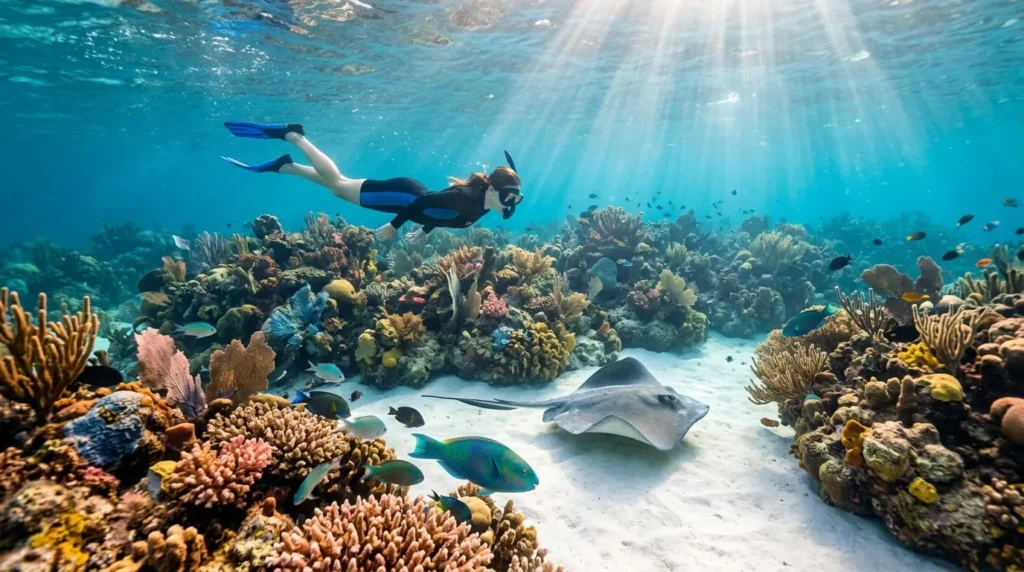
If you’re PADI certified, the reef opens up further. Turneffe Atoll and Lighthouse Reef offer deeper wall dives with far less boat traffic than sites closer to the mainland. Book snorkel trips a day or two ahead in high season, since operators cap group sizes to protect the reef.
See the Great Blue Hole
The Great Blue Hole is a near perfect circle of dark blue water. It formed when an ancient cave system collapsed as sea levels rose. It sits roughly 70 kilometers offshore and drops more than 100 meters deep. That depth makes it a serious dive site, better suited to certified divers than snorkelers.
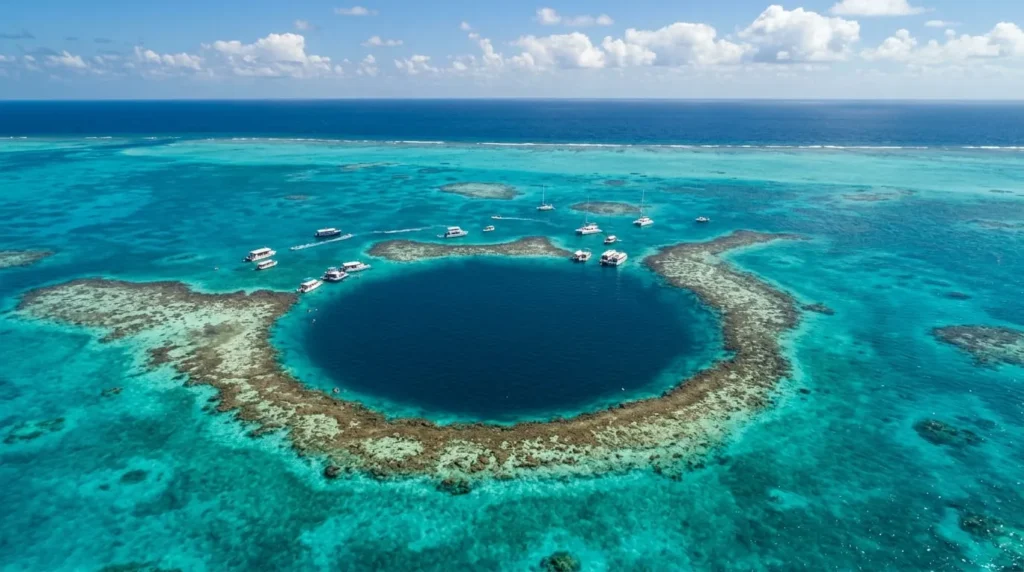
A full day boat trip usually includes two to three hours of travel each way. Many trips add a stop at Half Moon Caye to see nesting frigate birds. The open water crossing can get rough, so anyone prone to seasickness should plan accordingly. If diving isn’t your priority, a helicopter flyover from Belize City gives you the same iconic view in under an hour. You skip the long boat ride and the need for dive certification entirely.
Choose your island: Ambergris Caye or Caye Caulker
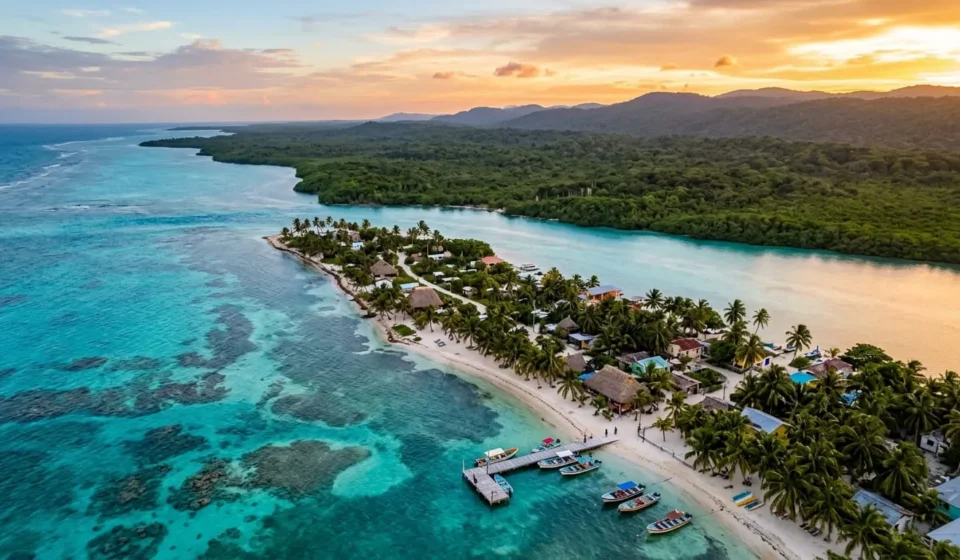
Most reef trips launch from one of two islands, and picking between them shapes your whole trip. Ambergris Caye is larger and more developed. It has more hotels, restaurants, and golf cart rentals that make getting around simple, even with kids. San Pedro, its main town, has enough infrastructure for a full week without ever feeling like you’re roughing it.
Caye Caulker is smaller, cheaper, and noticeably slower paced, built around one sandy main street and a swimming hole called the Split. You don’t need to choose permanently. A water taxi connects the two islands in about 20 minutes. Many visitors base themselves on one and day trip to the other. Secret Beach, on the west side of Ambergris Caye, is worth the golf cart ride even if you’re staying on Caye Caulker.
Float through caves on a cave tubing tour
Cave tubing is one of the more accessible adventures in Belize. It requires no special skill beyond sitting in an inner tube. Most tours start with a short hike through the rainforest to the Caves Branch River. There, guides tie the tubes together and lead the group through limestone caverns lit only by headlamps and shafts of daylight.
Along the way you’ll likely spot birds, and possibly howler or capuchin monkeys overhead. Tours based out of Belize City or San Ignacio run three to four hours. Many pair the float with a zip line add on for a fuller day.
Venture into Actun Tunichil Muknal (ATM Cave)
ATM Cave is the most demanding cave experience in Belize, and it isn’t for everyone. Reaching the entrance means wading across three rivers with no bridges, then swimming into the cave mouth. From there, you hike through dry passages to a chamber the ancient Maya once used for ritual offerings. Inside, you’ll see pottery and skeletal remains, including calcified bones known as the Crystal Maiden, left almost exactly as archaeologists found them.
Because of past damage to the site, cameras are banned entirely inside the cave. Every image you bring home will be a memory, not a photo. Swimming ability is required. The combination of rock scrambling and tight spaces makes this a poor fit for young children or anyone uneasy in the dark.
Climb ancient Mayan ruins
Belize has dozens of Mayan sites, but four are worth planning around. Xunantunich, near San Ignacio, is the easiest to reach. Its main pyramid, El Castillo, rises 40 meters with sweeping views toward the Guatemalan border. Caracol, deeper in the Chiquibul Forest, was once the largest Mayan city in the region. It was home to more people than modern Belize City holds today. Its central structure, Caana, remains the tallest building in the country.
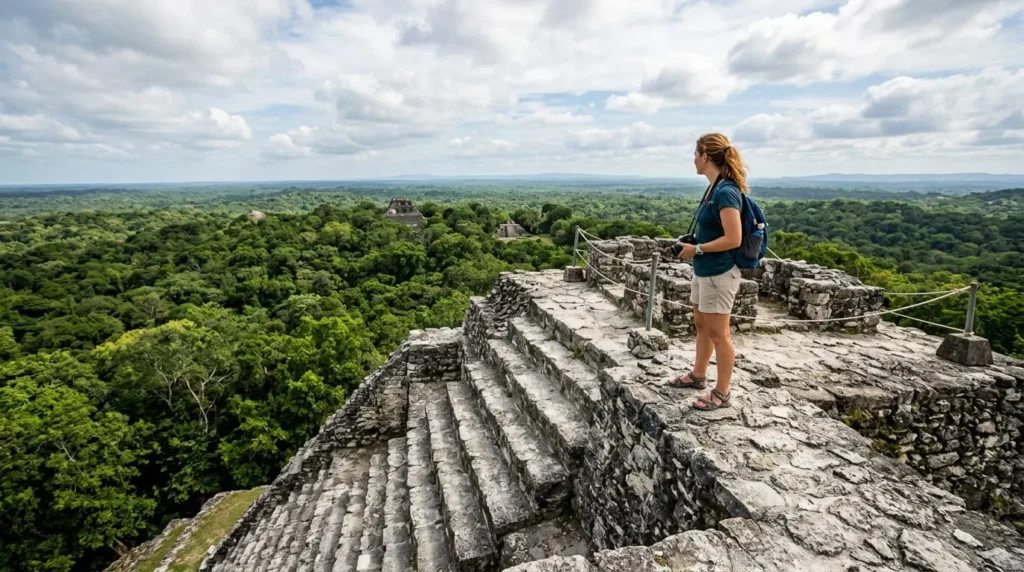
Altun Ha sits close enough to Belize City and the northern cayes for a manageable day trip. That makes it the practical choice if you’re island based and short on time. Lubaantun, in the south near Punta Gorda, sees far fewer visitors. It’s known for stone ball courts once used for a ceremonial game with real stakes. Hiring a guide at any of these sites adds context you’d otherwise miss walking through alone.
Spot jaguars and wildlife in the rainforest
Belize has one of the highest concentrations of jaguars in Central America. Actually seeing one in the wild is rare, even for guides who work there daily. Cockscomb Basin Wildlife Sanctuary, the world’s first jaguar reserve, offers a better shot at spotting tracks or hearing howler monkeys. A guided night walk can also turn up tapirs and toucans.
For a guaranteed wildlife encounter, the Belize Zoo near Belmopan houses only native, rescued animals in naturalistic enclosures. Residents include jaguars, ocelots, and the endangered Baird’s tapir. It’s worth a stop even if zoos usually aren’t your thing, since most residents can’t safely return to the wild. Serious birders should build in time for Crooked Tree Wildlife Sanctuary. Boat trips wind through lagoons thick with herons, jabiru storks, and migratory species.
Unwind in Placencia or Hopkins
The southern coast moves at a different pace than the northern cayes, and it’s where Belize’s Garifuna culture is most visible. Hopkins is a small fishing village. You can learn traditional drumming at a local school or join a Garifuna cooking class. Or just spend an afternoon at a beachfront bar with your feet in the sand.
Placencia, further south, has grown into a proper beach town, with a walkable main strip and more restaurants. It has its own snorkel and dive operators heading out to the reef. Both towns sit near small, owner run cacao farms where you can walk the plantation and make chocolate from bean to bar. If your trip already covers San Ignacio and the northern cayes, add the south only if you have five days or more. Getting there takes real travel time.
Eat your way through Belizean cuisine
Belizean food blends Creole, Mestizo, Garifuna, and Maya influences. A meal here says as much about the country as any ruin does. Rice and beans cooked in coconut milk, stewed chicken, and fried fish are everyday staples at small local diners. Expect to pay around ten to twelve dollars a plate.
Hudut, a Garifuna dish of fish simmered in coconut broth over mashed plantains, is worth seeking out. Hopkins and Dangriga make it most authentically. Street stalls and local markets are generally a safer bet for genuine flavor than hotel restaurants. Hotels tend to tone dishes down for visitors. Wash it down with a Belikin, the national beer, or a shot of cashew wine if you find it. It’s a regional specialty rarely sold abroad.
More things to do in Belize worth adding
A handful of other activities round out a Belize itinerary without needing a full day of their own. Kayaking or paddleboarding through the mangrove channels around Caye Caulker Forest Reserve is a quiet way to explore. You might spot manatees and crocodiles at your own pace.
Inland, Mountain Pine Ridge Forest Reserve swaps Belize’s usual jungle for pine forest and cooler air. The Rio Frio Cave and Rio On Pools let you swim beneath a series of granite boulders there. A boat trip up the Monkey River, south of Placencia, combines birdwatching with a real chance of seeing manatees. The water here is calmer than the open sea. None of these need heavy planning. They’re easy to slot into a trip already built around the reef and the ruins.
How many days you need
A week is the realistic minimum for covering Belize’s main regions without rushing. Split your time between San Ignacio’s caves and ruins and two or three days on the reef. Ten to fourteen days lets you add the south, Placencia and Hopkins included, without every day feeling like a transit day.
Anyone with less than five days should pick one region rather than stringing together ruins, caves, and islands. Belize’s roads and water taxis add up more time than the distances on a map suggest. The dry season, from late November through May, brings the most reliable weather for boat trips and cave tours. June through November is wetter and carries a real hurricane risk, particularly from August through October. Shoulder months like May and June often combine lower prices with still manageable weather.