
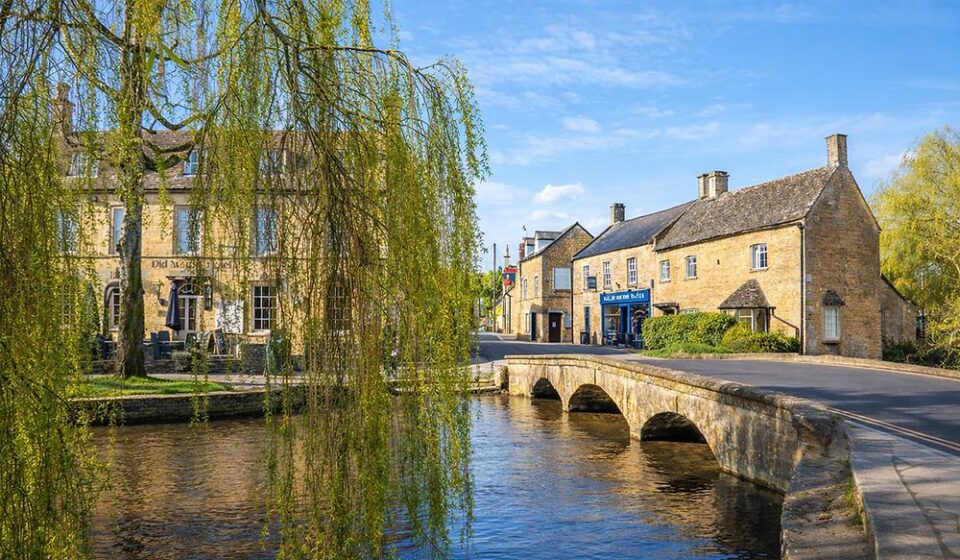
The best places to visit in the Cotswolds include charming villages, historic market towns, beautiful gardens, and peaceful countryside. Located in southwest England, the Cotswolds are famous for their honey-colored stone cottages, traditional pubs, winding country lanes, and rolling green hills. It is an excellent destination for travelers who want to experience a quieter side of the English countryside.
Whether you are planning a weekend escape, a family holiday, or a longer trip through England, there are plenty of places worth exploring. Some villages are famous for their beautiful riverside settings, while others offer historic churches, independent shops, walking trails, and impressive country houses.
Here are 10 places to add to your Cotswolds travel itinerary, including popular destinations and quieter spots where you can enjoy the countryside at a slower pace.
Bourton-on-the-Water
Bourton-on-the-Water is one of the most recognizable villages in the Cotswolds. Often called the Venice of the Cotswolds, it is known for the River Windrush, which flows through the village beneath several attractive stone bridges.
Visitors can spend time walking along the riverbanks, browsing small shops, and enjoying lunch at a traditional tearoom or pub. The village also has family attractions, including the Model Village, Birdland Park and Gardens, and the Cotswold Motoring Museum.
During summer weekends, the central area can become crowded. Arriving early in the morning gives you a better chance to enjoy the riverside scenery before the busiest hours.
Bibury
Bibury is a small village that deserves a place on almost every first-time Cotswolds itinerary. Its most famous attraction is Arlington Row, a collection of historic stone cottages that originally served as weavers’ homes.
The cottages sit beside a peaceful meadow, creating one of the most photographed scenes in the English countryside. Visitors can walk around the village, admire the River Coln, and enjoy the traditional architecture.
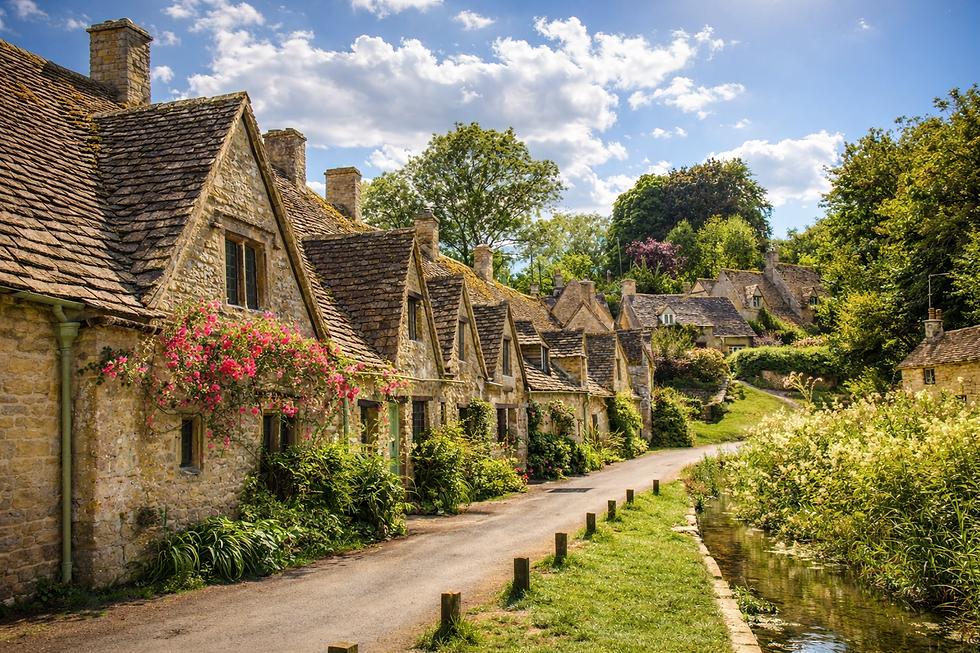
Bibury does not require an entire day to explore. A couple of hours is usually enough to see Arlington Row, take photographs, and enjoy a relaxed countryside walk. If you prefer quieter surroundings, visit earlier in the day when fewer visitors are around.
Castle Combe
Castle Combe is famous for its traditional architecture and peaceful village atmosphere. Its narrow streets, old stone cottages, and small bridges make it a favorite destination for photographers and visitors interested in historic English villages.
One of the best ways to explore Castle Combe is simply to walk through its streets and admire the buildings. The village also has attractive countryside surroundings and walking opportunities.
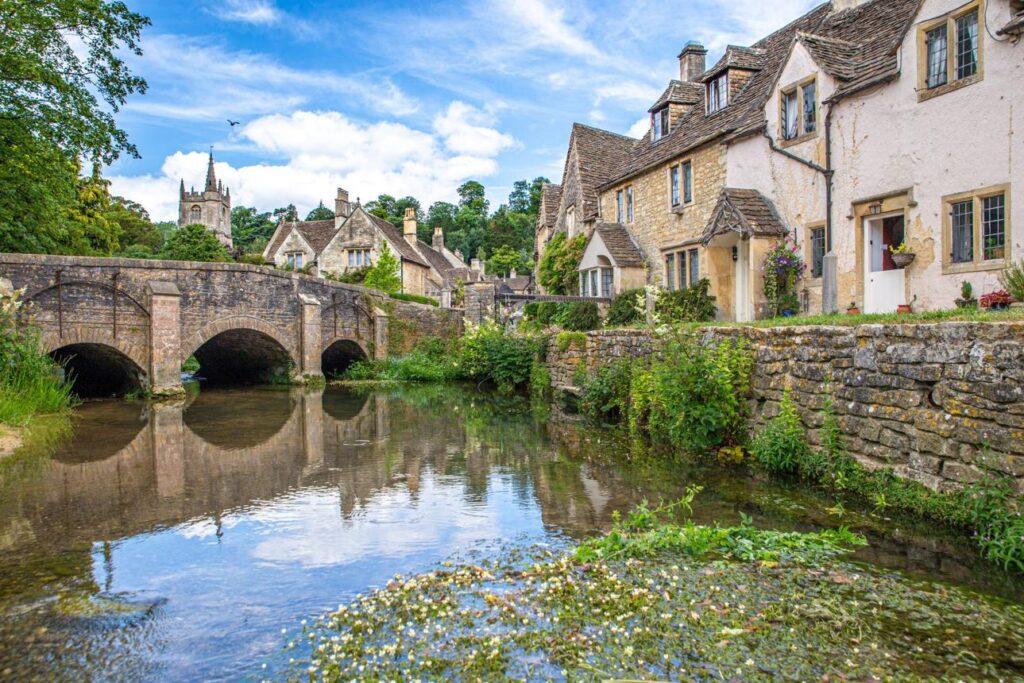
Although Castle Combe is relatively small, it is worth including in your itinerary if you enjoy historic architecture and quiet scenery. It is particularly appealing to couples looking for a peaceful countryside stop.
Stow-on-the-Wold
Stow-on-the-Wold offers a different experience from the smaller villages. It is a historic market town with a large central square, antique shops, traditional pubs, and independent businesses.
One of its most recognizable sights is St Edward’s Church, particularly its north doorway framed by ancient yew trees. The church is a popular stop for visitors interested in historic architecture and photography.
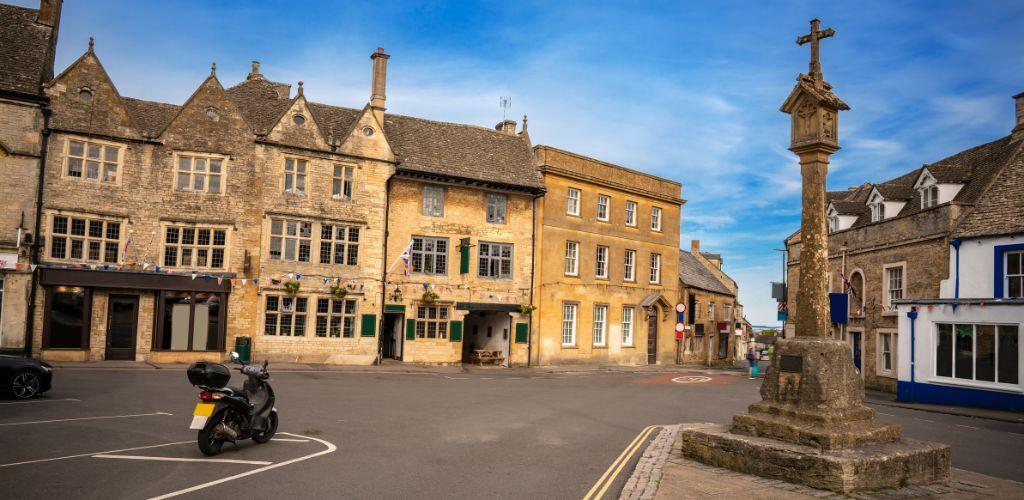
Stow is also a convenient base for exploring nearby villages. You can spend the morning browsing the shops, enjoy lunch in a traditional pub, and then travel to Bourton-on-the-Water or the Slaughters.
Broadway
Broadway is known for its attractive High Street, elegant stone buildings, galleries, and traditional shops. It has a slightly more polished atmosphere than some of the smaller villages, making it a pleasant destination for shopping and relaxed sightseeing.
A major attraction nearby is Broadway Tower, a historic tower situated on a hill overlooking the surrounding countryside. Visitors can enjoy impressive views across the region and explore walking routes around the estate.
Broadway is particularly suitable for travelers who want a combination of village sightseeing, countryside views, and places to eat.
Lower Slaughter
Lower Slaughter is a peaceful village that offers a quieter alternative to some of the Cotswolds’ busiest destinations. The River Eye runs through the village, passing traditional stone cottages, small footbridges, and attractive gardens.
One of its best-known sights is the old mill beside the river. Visitors can explore the surrounding paths, enjoy the countryside views, and take photographs of the traditional buildings.
Lower Slaughter is also connected to Upper Slaughter by a pleasant walking route. Exploring both villages on foot is a good way to enjoy the countryside without spending the entire day driving.
Chipping Campden
Chipping Campden is a historic market town with a beautiful High Street lined with honey-colored stone buildings. Its architecture reflects the area’s history as an important center of the medieval wool trade.
One of its most recognizable landmarks is the Market Hall, a historic covered structure built for local traders. Visitors can also explore St James’ Church, browse independent shops, and enjoy traditional cafes.
For travelers who enjoy walking, Chipping Campden is a starting point for the Cotswold Way, a long-distance walking trail through the countryside. The nearby Dover’s Hill also offers attractive views across the surrounding landscape.
Painswick
Painswick is often called the Queen of the Cotswolds because of its attractive stone buildings and historic village character. It is particularly famous for St Mary’s Church and its churchyard, where rows of carefully maintained yew trees create a distinctive setting.
The village is a good destination for visitors interested in gardens, architecture, and countryside walks. Painswick Rococo Garden is another attraction worth considering, especially during the spring and summer months.
If you want to explore somewhere with a calmer atmosphere and fewer crowds than Bourton-on-the-Water, Painswick is a worthwhile addition to your travel plans.
Cirencester
Cirencester is one of the largest towns in the Cotswolds and has a history dating back to Roman Britain. Its historic streets, independent shops, traditional markets, and restaurants make it a useful destination for travelers who want more activities than a small village can offer.
The Corinium Museum is one of its main attractions. It explores the area’s Roman history through archaeological discoveries and historical displays.
Cirencester also provides access to the Cotswold Water Park, where visitors can enjoy lakeside scenery and outdoor activities. It is a practical place to include in a southern Cotswolds itinerary.
Broadway Tower
Broadway Tower is one of the most recognizable landmarks in the Cotswolds. Sitting on a hill above Broadway, this historic building provides wide views of the surrounding countryside.
The tower is an excellent stop for travelers who enjoy photography, outdoor activities, and scenic landscapes. Walking paths around the area allow visitors to explore the countryside at their own pace.
You can combine a visit to Broadway Tower with time in Broadway village, making both destinations part of the same day. The walk between the village and tower is particularly appealing to visitors who enjoy exploring on foot.
How to Plan Your Cotswolds Visit
The Cotswolds covers a large area, so visiting every destination in one day is unrealistic. Planning your route will help you spend less time traveling and more time enjoying the villages.
1. Best Places to Visit in One Day
If you only have one day, concentrate on the northern Cotswolds. A practical route includes:
- Bourton-on-the-Water for riverside scenery.
- Lower Slaughter for a peaceful countryside walk.
- Stow-on-the-Wold for historic streets and shopping.
- Broadway for its attractive High Street.
If you have another day, explore Bibury, Cirencester, and Castle Combe. These destinations are better suited to a separate southern and western route.
2. Best Time to Visit
Late spring and early autumn are excellent times to explore the Cotswolds. Spring brings fresh greenery and flowers, while autumn adds attractive colors to the countryside.
Summer is popular because of the longer daylight hours and opportunities for outdoor activities. However, famous villages can become busy, especially during weekends and school holidays.
Winter offers a quieter experience, with traditional pubs and cozy accommodation providing a different side of the region. Just remember that daylight hours are shorter and countryside weather can change quickly.
3. Getting Around the Cotswolds
Driving is one of the easiest ways to explore several villages because many destinations are spread across different parts of the region. However, visitors without a car can also use trains, local buses, taxis, and organized tours.
Moreton-in-Marsh is a useful starting point for travelers arriving by train. From there, you can plan connections to nearby towns and villages.
Keep in mind that some country roads are narrow, and mobile reception can be unreliable in certain areas. Downloading offline maps before leaving your accommodation can make navigation easier.
Final Thoughts
The Cotswolds has something for almost every type of traveler, from beautiful villages and historic market towns to peaceful walking routes and countryside attractions. Bourton-on-the-Water, Bibury, Castle Combe, Broadway, and Stow-on-the-Wold are excellent starting points for first-time visitors.
If you have limited time, choose destinations within the same area instead of trying to see everything in one trip. The best places to visit in the Cotswolds are often the ones where you can slow down, explore on foot, and enjoy the traditional English countryside.