
Tokyo holds some of the best museums in the world, and the city rewards visitors who slow down enough to walk through them. From centuries-old samurai armor to rooms filled with moving light, the range on offer here is hard to match anywhere else in Asia. This guide covers the museums worth building a day around, plus a few smaller ones that reward a detour.
Most of these sites sit inside Ueno Park or a short train ride from central Tokyo, so a single afternoon can easily cover two or three stops. Expect to spend between 45,000 and 55,000 yen if you’re pairing museum visits with a few nights in a mid-range hotel and regular metro use.
Tokyo National Museum
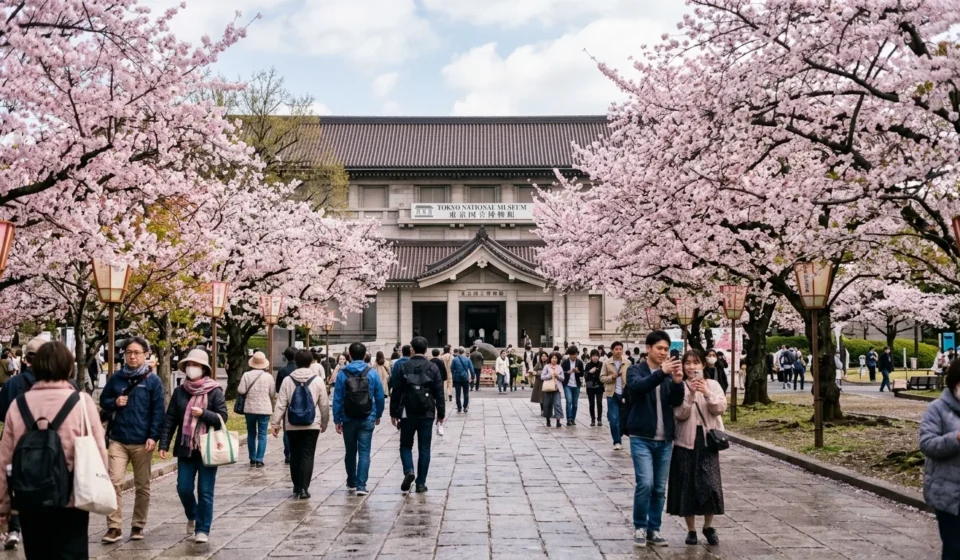
The Tokyo National Museum in Ueno Park holds the largest collection of Japanese art and artifacts anywhere in the country. Its main building, the Honkan, walks visitors through samurai swords, Buddhist sculpture, and Edo period screens across two floors.
Give yourself at least two hours here, since the museum has four separate buildings worth checking, including the Toyokan for Asian art and the Heiseikan for archaeology. Admission runs around 1,000 yen for general entry, though special exhibitions cost extra.
Visit on a weekday morning if possible. Weekends draw large tour groups, and the main galleries can feel crowded by early afternoon.
TeamLab Planets Tokyo
teamLab Planets has become one of the most talked-about attractions in the city, and it has earned a reputation. Visitors walk barefoot through water-filled rooms, mirrored gardens, and projection-based spaces that respond to movement.
This isn’t a traditional museum in the historical sense, but it belongs on any list of the best museums in Tokyo because of how it reshapes what a museum visit can feel like. Tickets sell out weeks ahead during busy travel months, so book directly through the official site rather than a resale platform.
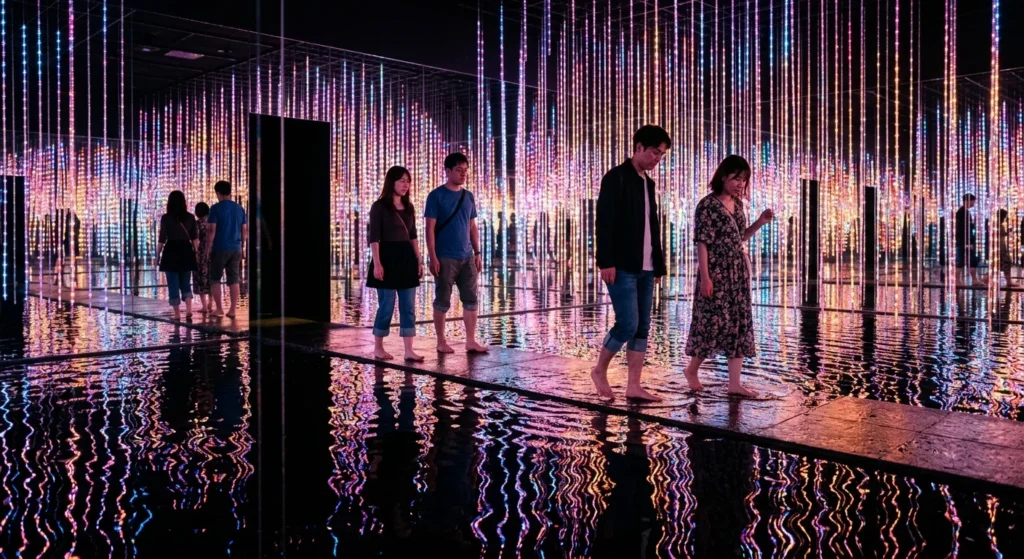
Bring a change of clothes or at least a towel. Several rooms involve wading through shallow water, and the humidity inside builds up fast.
Ghibli Museum
The Ghibli Museum in Mitaka draws fans of Studio Ghibli films from around the world, and it’s built around that same sense of wonder found in the movies themselves. There’s no straight path through the building, and that’s intentional. Rooms open onto stairwells, hidden nooks, and a rooftop garden with a life-sized robot statue from Castle in the Sky.
Tickets must be bought in advance through the official website or an authorized overseas agent, and they’re tied to a specific entry time. This museum sells out faster than anything on this list, sometimes within minutes of a new batch going live.
Photography isn’t allowed inside, so the visit stays fully present rather than filtered through a phone screen.
Mori Art Museum
Sitting on the 53rd floor of Roppongi Hills, the Mori Art Museum focuses on contemporary art from Japan and abroad. The rotating exhibitions here lean toward bold, large-scale installations, and the museum has hosted work from artists like Yayoi Kusama and Olafur Eliasson.
The observation deck attached to the museum gives one of the better skyline views in the city, especially near sunset. Combined tickets covering both the museum and the deck are more efficient than buying separately if you’re planning to do both anyway.
Nezu Museum
The Nezu Museum in Minami Aoyama holds a quieter, more traditional collection of Japanese and East Asian art, including calligraphy, ceramics, and tea ceremony objects. The building itself, designed by architect Kengo Kuma, uses bamboo and stone in a way that feels almost as considered as the art inside it.
Behind the museum sits a garden with walking paths, small teahouses, and a pond that shifts with each season. Autumn brings some of the best foliage viewing in the city here, away from the larger crowds at Ueno Park.
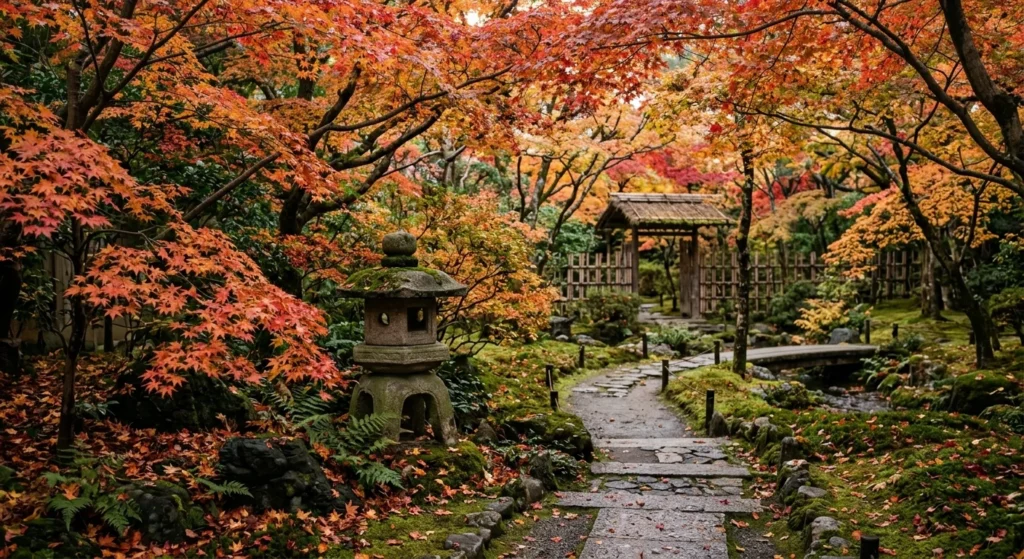
Admission costs around 1,500 yen, and the garden alone is worth the ticket price for anyone wanting a break from Tokyo’s pace.
Edo-Tokyo Museum
Note: The Edo-Tokyo Museum has undergone extended renovation in recent years, so check current opening status before planning a visit around it. When open, it covers the city’s history from the Edo period through postwar reconstruction, using full-scale replicas of bridges, theaters, and merchant streets rather than static displays behind glass.
Kids tend to respond well to this museum specifically because of how physical and walkable the exhibits are. It works as a good stop for travelers wanting historical context before exploring neighborhoods like Asakusa or Nihonbashi.
National Museum of Nature and Science
Also inside Ueno Park, this museum splits its focus between natural history and the history of Japanese science and technology. Dinosaur skeletons, a full-scale blue whale model outside the entrance, and a section on Japan’s early space program give it a broader appeal than a typical science museum.
It suits families well, and the exhibits stay engaging even for visitors without a science background. Admission sits around 630 yen, making it one of the more affordable stops on this list.
Planning Your Museum Visits in Tokyo
1. Buy Tickets in Advance for Popular Sites
teamLab Planets and the Ghibli Museum both operate on timed, advance ticket systems, and both sell out regularly. Book these as soon as your travel dates are confirmed, ideally a month or more ahead during spring and autumn travel seasons.
2. Group Museums by Neighborhood
Ueno Park alone holds the Tokyo National Museum, the National Museum of Nature and Science, and several smaller galleries within walking distance of each other. Pairing museums by location saves train time and leaves more room to actually enjoy each stop instead of rushing between them.
3. Check for Museum Passes
The Grutt Pass covers discounted or free entry to more than 100 museums and attractions across Tokyo, including several listed here. For travelers planning to hit four or more sites, it usually pays for itself.
Tokyo’s museum scene covers a wider range than most first-time visitors expect, from centuries-old artifacts to fully immersive digital rooms. Picking two or three that match your actual interests, rather than trying to see everything, tends to make for a better trip than checking every box on a list.