Rome, Florence, and Venice cover the classic Italy trip, but Cinque Terre, Lake Como, and Sicily round it out with coastline, mountains, and a slower pace. Here’s where to go, when to go, and how the pieces fit together into one trip.
Rome, For Ancient Ruins Next To Everyday Life
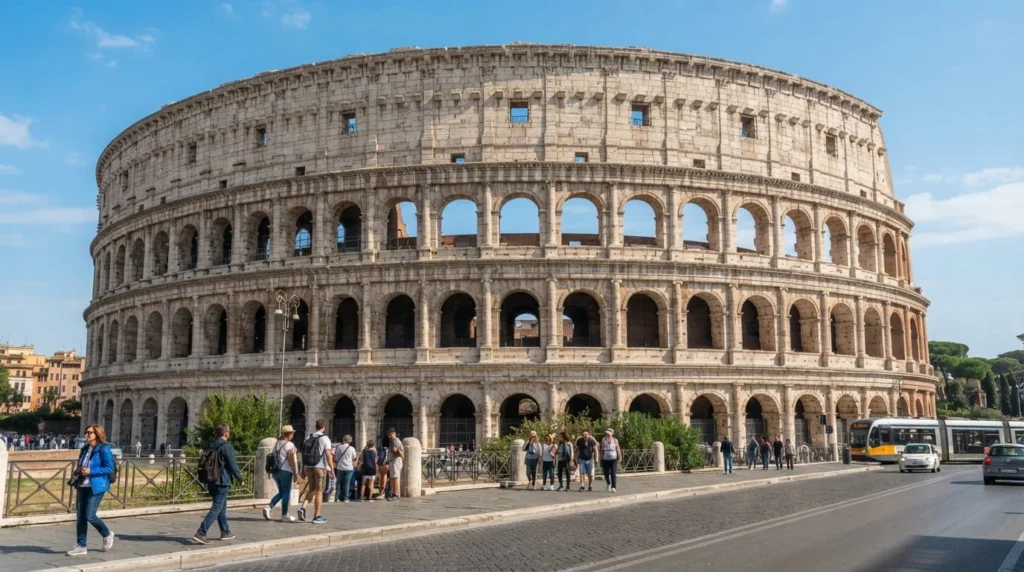
Rome puts its history in the middle of the street instead of behind glass. The Colosseum, the Roman Forum, and the Pantheon all sit within a short walk of each other, and Trevi Fountain and the Spanish Steps are close enough to add in the same afternoon. Book Colosseum tickets online at least a few days ahead; the walk-up line during summer can run past two hours. Trastevere, across the Tiber, has better food than most restaurants near the main sights and costs less.
Italy stands consistently at the top of the best places to visit in Europe. If you enjoy historic Mediterranean culture, compare your itinerary with the best cities to visit in Spain.
How Long To Spend In Rome
Three full days covers the major sights without rushing. Add a fourth if you want the Vatican Museums and the Sistine Chapel without cramming them in on the same day as the Colosseum.
Florence, For Renaissance Art In A Walkable City
Florence fits into a few square kilometers, so you can see the Duomo, the Uffizi Gallery, and Michelangelo’s David at the Galleria dell’Accademia all in one day if you plan the order right. The Duomo took over 140 years to finish, starting in 1296 and wrapping up in 1436, and the climb to the top of the dome is worth the 463 steps for the view over the terracotta rooftops. Book the Uffizi and the Accademia in advance online; same-day tickets often sell out by mid-morning in high season.
Venice, For Canals Instead Of Streets
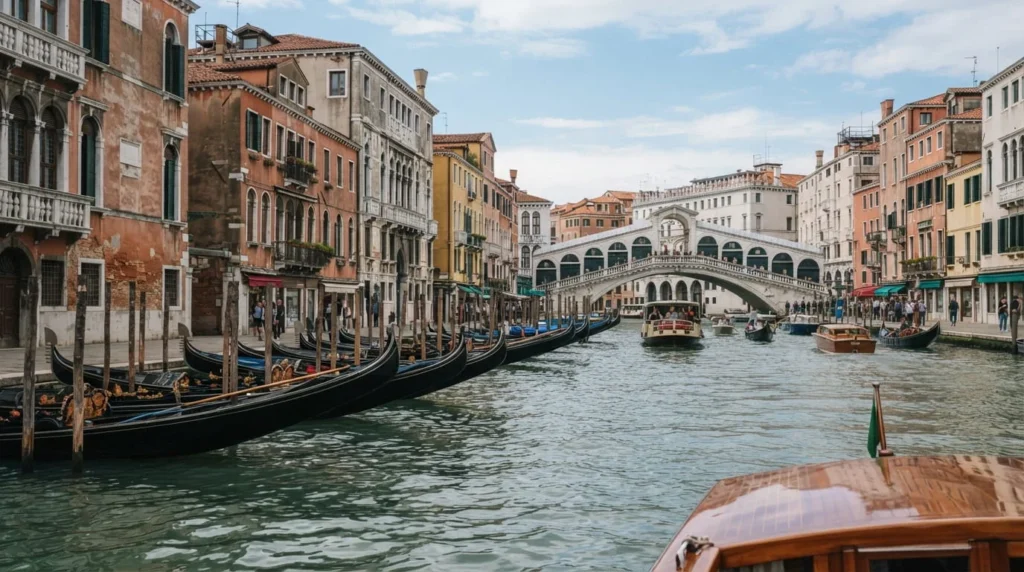
Venice runs on boats and footbridges rather than cars, and that alone makes it feel different from anywhere else in Italy. St Mark’s Square, the Doge’s Palace, and a ride down the Grand Canal are the obvious stops, but the quieter Cannaregio and Dorsoduro neighborhoods give you the same architecture with a fraction of the crowds. Skip the gondola if the price puts you off; the number 1 vaporetto (water bus) line down the Grand Canal costs a few euros and shows you almost the same view.
The Amalfi Coast, For Cliffside Towns And Sea Views
The Amalfi Coast runs along the Sorrentine Peninsula, with towns like Positano and Ravello built straight into the cliffs above the Tyrrhenian Sea. The coastal road between towns is narrow and busy in summer, so the SITA buses or a private boat transfer often beat driving yourself. Ravello sits higher up and gets fewer crowds than Positano, with garden views from Villa Rufolo that are worth the extra bus ride.
Best Time For The Amalfi Coast
Spring and early autumn bring warm weather without the August crush, when hotel prices and traffic both peak. Ferries between towns run less often outside of April through October, so check schedules if you’re visiting in winter.
Cinque Terre, For Five Villages On The Cliffs
Cinque Terre is a string of five villages, Monterosso, Vernazza, Corniglia, Manarola, and Riomaggiore, tucked into the Ligurian coastline and connected by both train and hiking trail. The Sentiero Azzurro trail links all five towns, though sections close occasionally after landslides, so check conditions before you plan a full-day hike. A Cinque Terre card covers the local train between villages and trail access, and buying it online ahead of a summer visit saves you from the line at La Spezia station.
Lake Como, For Alpine Water And Villa Towns
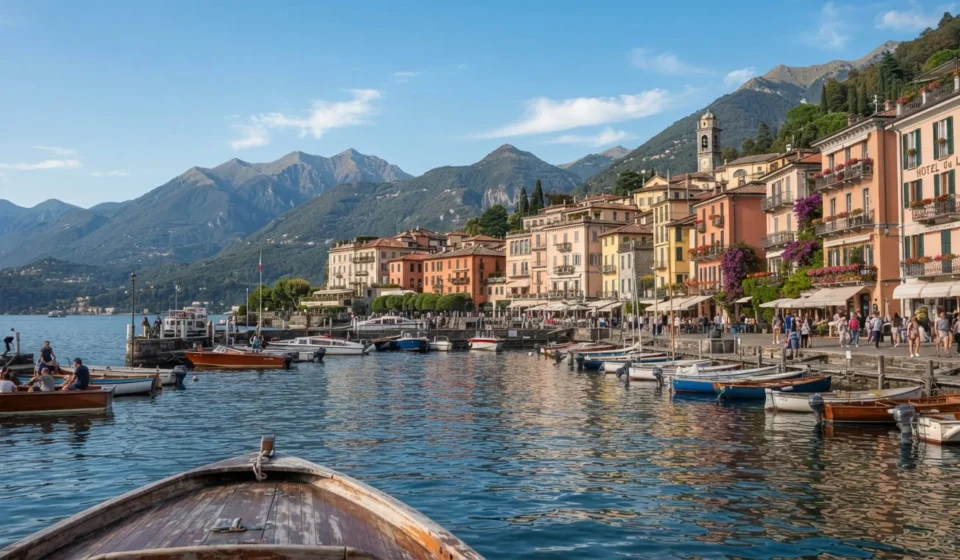
Lake Como sits in Italy’s north with the Alps rising straight out of the water, and towns like Bellagio and Varenna line its shores with villas, gardens, and lakeside promenades. Ferries connect the towns around the lake, which beats driving the narrow, single-lane roads that wrap around the shoreline. Villa del Balbianello and Villa Carlotta are the two most-visited gardens, and both get considerably quieter after 4pm.
Tuscany, For Rolling Hills And Wine Towns
Tuscany spreads out beyond Florence into hill towns like Siena, San Gimignano, and Montepulciano, with vineyards and cypress-lined roads connecting them. Siena’s Piazza del Campo hosts the Palio, a bareback horse race run twice a year, on July 2 and August 16. Renting a car is close to essential here; the train network covers the main cities but not the smaller hill towns where much of the appeal is.
Sicily, For A Different Pace And Ancient Sites
Sicily sits apart from mainland Italy both geographically and culturally, with Greek temples in Agrigento’s Valley of the Temples, Norman architecture in Palermo, and Mount Etna’s volcanic slopes all on one island. Palermo’s cathedral and the Cappella Palatina show a mix of Romanesque, Gothic, and Byzantine influences that you won’t find further north. A rental car makes the most sense for reaching Etna or the temple sites, since regional trains run infrequently outside the main cities.
Bologna, For Food Without The Crowds
Bologna gets less attention than Rome or Florence, which is part of why it works well if you want a break from tourist lines. The University of Bologna opened in 1088 and is considered the oldest university in the Western world, and the city’s food, tagliatelle al ragù, tortellini in brodo, mortadella, built much of its reputation as one of Italy’s best food cities. Walk the porticoes under the arcades in the historic center; over 38 kilometers of them cover the old town, so you rarely need to step into the rain or sun.
Planning Your Italy Trip
Rome, Florence, and Venice connect well by high-speed train, usually under two hours between any two of them, so a rail-based itinerary covering all three plus one extra stop is realistic in ten to fourteen days. Spring, roughly April through June, and fall, September through October, both bring mild weather and thinner crowds than the July and August peak. Book major museum tickets and any Cinque Terre train cards online before you go, since walk-up lines during high season cost hours you’d rather spend outside.
Frequently Asked Questions (FAQs)
How many days do you need in Italy?
Ten to fourteen days lets you cover three or four major stops, such as Rome, Florence, Venice, and one coastal or lake destination, without rushing between them. A week is enough for two cities if you want more time in each rather than more places.
What is the best time of year to visit Italy?
April through June and September through October offer mild weather and smaller crowds than the summer peak. July and August bring the heaviest heat and tourist numbers, especially in Rome, Florence, and along the coast.
Is it better to rent a car in Italy or use trains?
Trains work well between major cities like Rome, Florence, Venice, and Milan, and they skip the stress of driving in historic centers. A car becomes more useful once you’re exploring Tuscany’s hill towns, the Amalfi Coast, or Sicily, where public transport thins out.
Which is better for a first trip to Italy, Rome or Florence?
Rome offers more ancient history and a bigger city to explore, while Florence is smaller, more walkable, and centered on Renaissance art. Most first-time visitors do both, since a fast train connects them in under two hours.
5. Is Cinque Terre worth visiting if you’re short on time?
Cinque Terre works well as a day trip from Florence or Pisa if you’re tight on time, though an overnight stay lets you catch sunset over the villages without a train back to catch. Two days gives you enough time to hike between towns and still relax on the water.